

 English
  日本語
日本語  Tiếng Việt
  简体中文
简体中文  한국어
한국어 Vietnam's vehicle market is rapidly shifting toward electric vehicles, led by strong growth in EV sales and VinFast’s dominant role in the transition.
19Aug2025
Latest News & Report / Vietnam Briefing
Comments: No Comments.
A Market in Transition: ICE vs. EV Vehicle Ownership
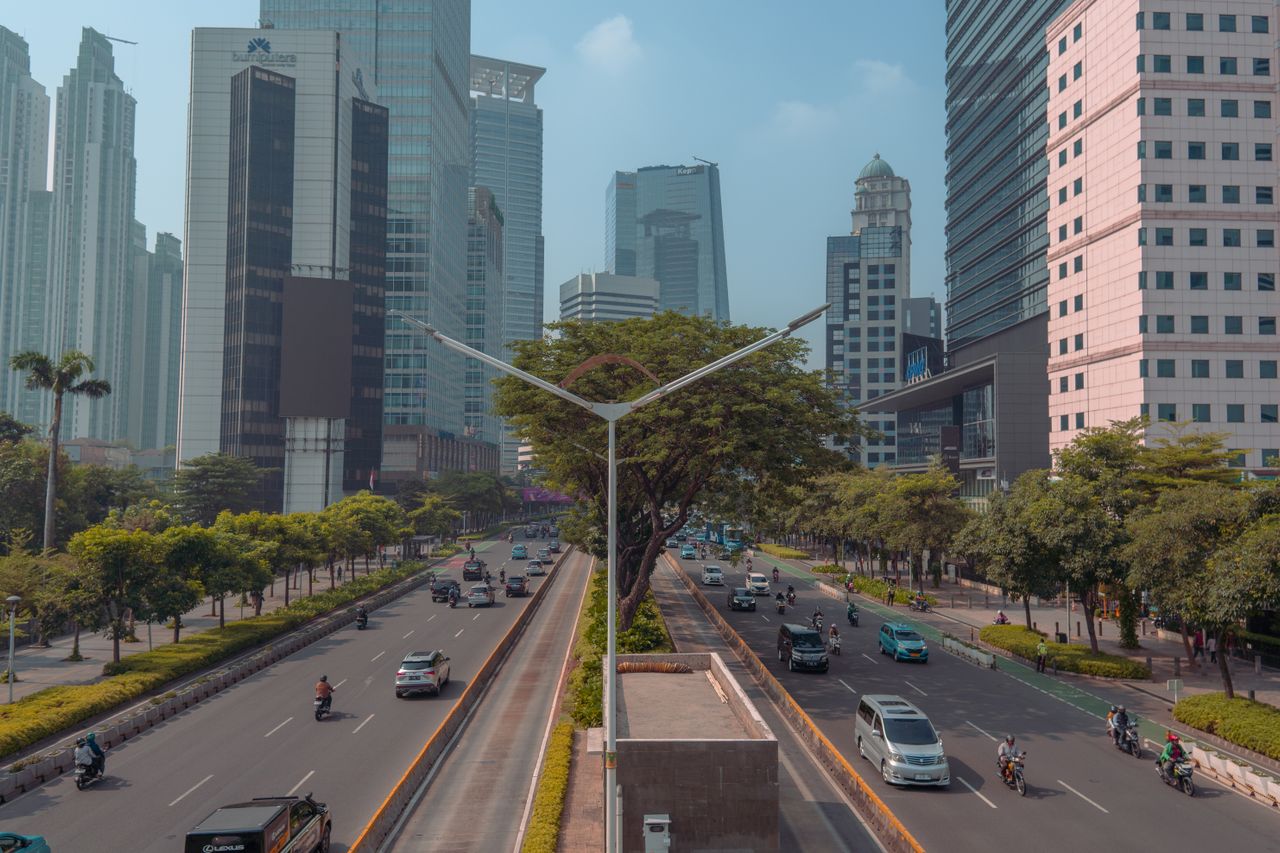
As of 2025, Vietnam has over 5 million cars and around 7 million motorbikes on the road, with the majority still running on gasoline or diesel engines [1]. However, the EV wave is gaining ground at an unprecedented pace. In 2024, electric vehicles accounted for 17.6% of new car sales, nearly doubling from 8.6% in 2023 [2]. Leading the charge is VinFast, Vietnam’s homegrown EV manufacturer sold over 87,000 electric vehicles in 2024, marking a 150% increase from the previous year. By the end of the first half of 2025, VinFast had already delivered 35,100 vehicles [3].
Number of VinFast vehicles delivered until H1/2025
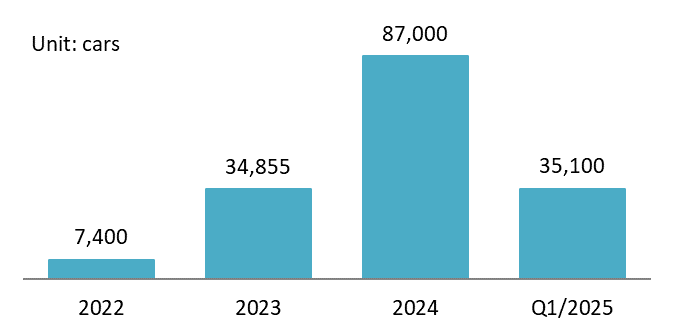
Source: B&Company compilation
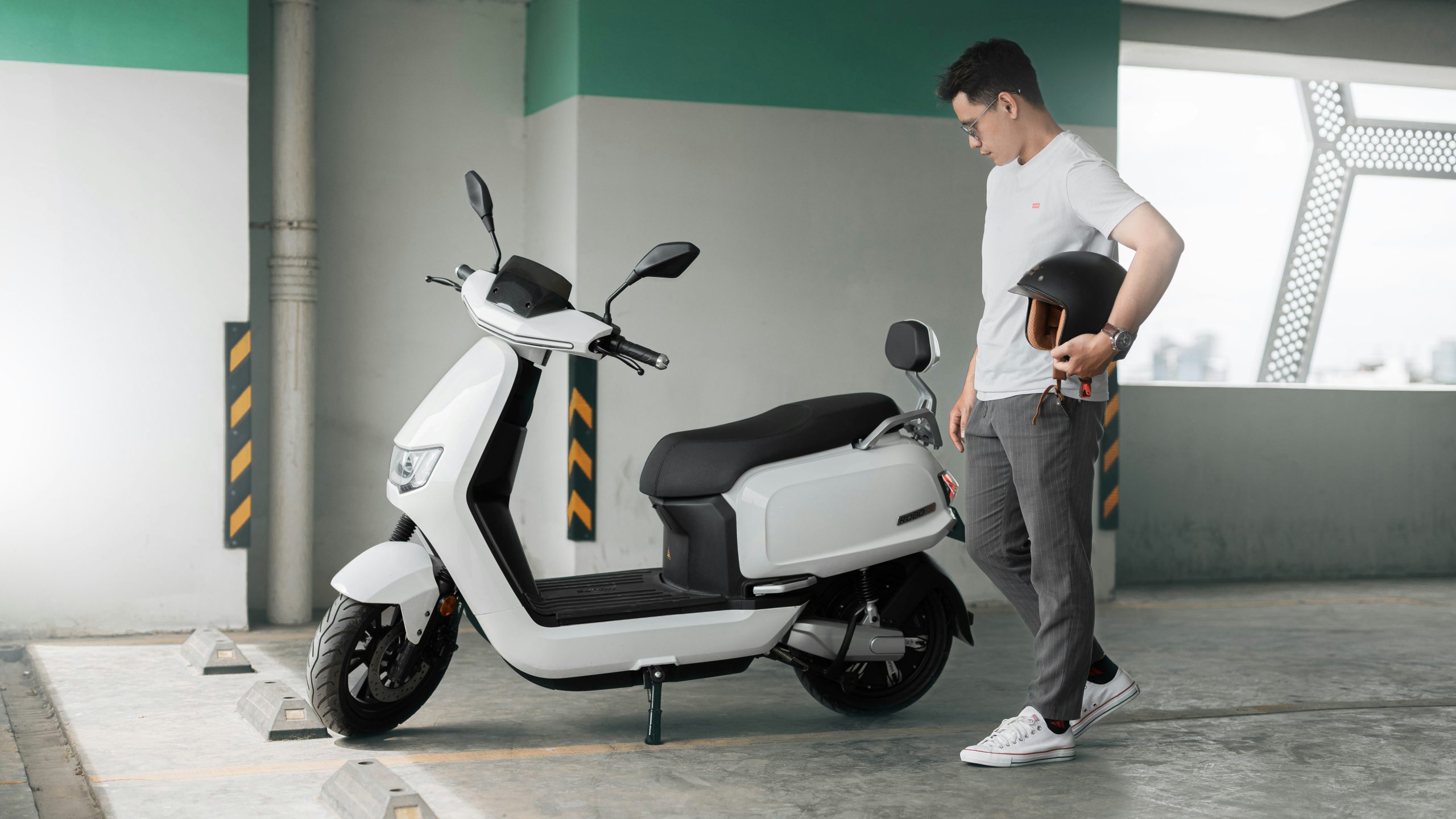
Projections by the Vietnam Automobile Manufacturers’ Association (VAMA) estimate that 1 million EVs will be in circulation by 2028, with 3.5 million by 2040. EV adoption is not limited to four-wheelers [4]. The market for electric two-wheelers—particularly those under 50cc (L1 category)—is also booming, driven by student and urban commuter demand.
VinFast dominates the Vietnamese EV market with a comprehensive product lineup, ranging from the compact VF 3 and VF 5 to the high-end VF 8 and VF 9 SUVs. The market is further diversified by the entry of powerful Chinese brands such as BYD (Atto 3, Dolphin), Wuling (Mini EV, Bingo), and Aion (Y Plus). Established automakers like Hyundai have joined the race by locally assembling models like the Ioniq 5, while premium European brands BMW and Mercedes-Benz are offering high-end electric options.
The situation of auto repair garages
The rapid adoption of electric vehicles (EVs) in Vietnam is exposing a significant gap between customer demand and the readiness of the country’s repair infrastructure. Although there are over 10,000 car repair workshops nationwide, most are still oriented toward internal combustion engine (ICE) vehicles and have not transitioned to accommodate EV technology [5].
Only a small fraction of garages—primarily located in major urban centers like Hanoi and Ho Chi Minh City—have begun offering EV-related services. Meanwhile, OEM service networks, especially VinFast, dominate the EV aftersales landscape. Currently, VinFast operates over 200 service centers across the country, reinforcing its control over early-stage EV servicing [6]. However, VinFast’s service centers do not accept electric vehicles from other brands, so owners of non-VinFast EVs must seek authorized service providers or specialized private garages. Some of the service garages that repair electric vehicles include Auto’s Only and CarOn for EVs, while Thao Nguyen Hybrid specializes in hybrid vehicle repairs.
Government policies have further accelerated EV adoption. Initiatives such as full registration fee exemptions (valid through February 2025) and a reduced 3% special consumption tax (until February 2027) have made EVs increasingly appealing, particularly in densely populated cities like Hanoi, Ho Chi Minh City, and Da Nang [7].
Yet despite this rising adoption, independent garages have struggled to keep pace. The result is a clear service gap: many EV owners are left with little choice but to rely on official service centers. This situation highlights both a market limitation and a potential growth opportunity for independent workshops—if they can overcome the technical and financial barriers.
Several key challenges continue to hinder this transition:
– Restricted access to technical documentation and diagnostic software, which remains in the hands of OEMs.
– Difficulties in sourcing certified parts, especially for newer or less common EV models.
– Limited willingness to invest, due to the perceived risks of working with high-voltage systems, the lack of qualified technicians, and the substantial costs associated with acquiring specialized tools and equipment.
For independent garages, closing this capability gap is essential—not only to remain relevant in the age of electrification but also to unlock a fast-growing, underserved segment of the automotive service market
Supply–Demand Imbalance in EV Repairs
Currently, most EV owners in Vietnam are effectively bound to the official service networks of vehicle manufacturers. The biggest barrier lies in long-term warranty policies, which often span several years. These policies make users reluctant to seek repairs at independent garages, fearing that doing so might void their warranty rights.
However, as the market matures, a niche is beginning to emerge for independent service providers to fill this gap. Pioneering companies such as EVBattery, Brolab in Ho Chi Minh City have risen as viable alternatives for 2-wheel vehicles. Rather than competing head-on with OEMs, they focus on high-tech services that traditional garages cannot offer, including:
– Replacing battery cells and repairing issues related to high-voltage battery packs,
– Repairing Battery Management Systems (BMS),
– Diagnosing complex faults in high-voltage electrical systems,
– Performing routine repairs (tires, brakes, bodywork) with EV-specific expertise.
These services are especially crucial for out-of-warranty vehicles or for users seeking more flexible and cost-effective repair solutions than replacing entire expensive components at OEM service centers.
Training and Manpower: The Critical Bottleneck
Despite surging market demand, Vietnam is facing a paradoxical challenge: a severe shortage of skilled electric vehicle (EV) repair technicians. Reputable training institutions such as VATC, Hanoi High-Tech Vocational College, and Bach Khoa Vocational School have introduced specialized EV training programs, yet the number of enrolled students remains modest [8].
Three key barriers contribute to this situation. First is the high cost of training—a comprehensive course can cost between 12 to 30 million VND, a significant investment for many mechanics [9,10] Second, EV repair requires an entirely different skill set. Technicians not only need mechanical knowledge, but must also be proficient in software diagnostics, battery systems, and strict safety procedures when working with high-voltage components—areas where most traditional ICE mechanics lack experience.
Lastly, there is a psychological and cultural barrier. Many experienced internal combustion engine (ICE) mechanics are hesitant to “start over” and learn a completely new technology, especially when they are in the middle or later stages of their careers. Although several hundred students enroll in automotive technician courses each year, only a small fraction choose to specialize in EVs. This makes qualified personnel extremely scarce and highly sought after, creating a serious bottleneck for the sustainable development of Vietnam’s EV aftersales service industry.
Opportunities
Vietnam’s evolving EV market presents a rare opportunity for new service providers to build from zero and lead with specialization. While traditional garages are slow to adapt, new entrants can bypass outdated models by focusing on high-value services like battery diagnostics, BMS repairs, and ADAS calibration—areas with growing demand but limited supply.
Chinese EV brands entering Vietnam with thin service networks offer a clear opening: providers that specialize in supporting these models can quickly become essential partners. Moreover, startups that leverage technology, mobility, and data—such as mobile repair units or remote diagnostics—can address service gaps even OEMs struggle with.
Beyond technical capability, those who form ecosystems with charging networks, EV fleets, or training institutions can unlock long-term value and customer loyalty. In a fragmented and underserved market, early movers with the right focus have a chance not just to compete—but to define the future of EV aftersales in Vietnam.
Conclusion
Vietnam’s electric vehicle boom is no longer a future trend—it’s actively reshaping the auto service industry. In major cities, EVs are becoming mainstream, fueled by strong policies and changing consumer habits. However, the lack of qualified EV repair garages remains a major gap. While OEMs like VinFast dominate early-stage servicing, independent garages still have room to grow—especially for out-of-warranty or imported EVs. The path forward is clear: adapt or fall behind. Garages must invest in skills, tools, and new business models to stay competitive. Those who act now will be best positioned to lead in the EV era.
[1] VnExpress, Challenges in Hanoi’s Transition Away from Gasoline Motorbikes <Access>
[2] CafeF, VinFast Achieves Record Sales, Vietnam’s EV Market Share Soars — Surpassing Thailand and Indonesia, Outpacing the U.S. and India <Access>
[3] DNSE, VinFast delivered 35,100 electric vehicles in Q1 2025, maintaining its position as the No.1 player in the domestic market <Access>
[4] VnEconomy, Opportunities for Mini EVs to Conquer the Vietnamese Market <Access>
[5] Thanh Nien, Car Ownership in Vietnam Surges, Many Garages Struggle with Management <Access>
[6] Bao Moi, VinFast Officially Becomes the Automaker with the Largest Service Network in Vietnam <Access>
[7] Decree No. 10/2022/ND-CP of the Government: Regulations on registration fees <Access>
[8] Thoi Nay, Lack of EV Repair Facilities <Access>
[9] VATC – Vietnam Automotive Technical Training Center <Access>
[10] Automotive Training Center EAC <Access>
B&Company
The first Japanese company specializing in market research in Vietnam since 2008. We provide a wide range of services including industry reports, industry interviews, consumer surveys, business matching. Additionally, we have recently developed a database of over 900,000 companies in Vietnam, which can be used to search for partners and analyze the market.
Please do not hesitate to contact us if you have any queries.
info@b-company.jp + (84) 28 3910 3913
Related article
















Log in / Register
SUBSCRIBE NEWSLETTER