

 English
  日本語
日本語  Tiếng Việt
  简体中文
简体中文  한국어
한국어 Over the past three decades, Japanese companies have been key players in developing Vietnam’s processing and manufacturing industries.

16Jun2026
Highlight content / Highlight Content JP / Highlight content vi / Industry Reviews / Latest News & Report
Comments: No Comments.
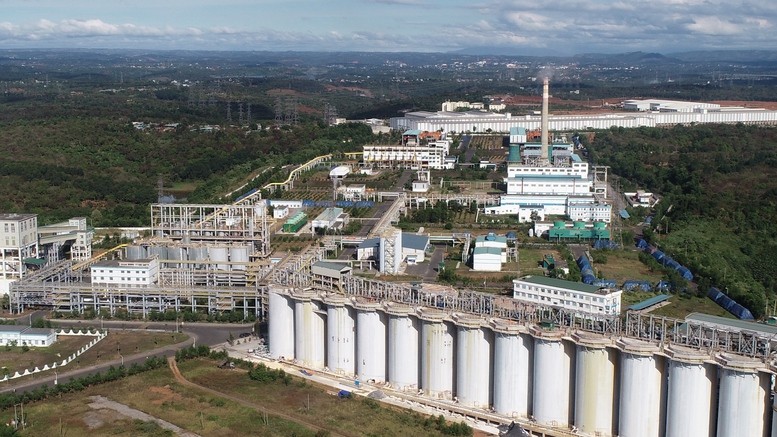
Japanese FDI in Vietnam is not only an economic trend but also a reflection of the strong comprehensive strategic partnership between the two countries. Over the past three decades, Japanese companies have been key players in developing Vietnam’s processing and manufacturing industries. In 2024–2025, this investment landscape is shifting from traditional labor-intensive sectors toward high technology, semiconductors, and green energy. This transition is driven by geopolitical uncertainty, global supply chain restructuring under the “China Plus One” strategy, and new-generation FTAs such as the CPTPP and RCEP. Overall, Japanese FDI reflects the convergence of Vietnam’s political stability, geographic advantages, and modernization goals with Japan’s long-term vision and high-quality standards.
Overview of Japanese Investment in Vietnam, with a Focus on the Manufacturing Sector
Looking back at Japan’s investment history in Vietnam, it is evident that there has been a clear evolution through different periods, reflecting both changes in Japan’s foreign policy and Vietnam’s economic integration process.
Table 1. Japanese FDI in Vietnam Across Key Periods
| Period | Investment Position | Newly registered and increased capital (billion USD) | Strategic Characteristics |
| 2013 – 2016 | Leading in 2013 and Top 2 in 2016 | 5.87 (2013); 2.58 (2016) | Established the foundation for “China Plus One,” with a focus on components |
| 2017 – 2019 | Ranked No. 1 in 2017 and 2018, Top 4 in 2019 | 9.11 (2017); 8.59 (2018); 2.93 (2019) | Strong relocation momentum, with a sharp increase in disbursed capital |
| 2020 – 2023 | Top 2 – Top 3 | 2.1 (2020); 6.57 (2023) | Pandemic adaptation and supply chain restructuring |
| 2024 – 2025 | Stable growth | 1.62 (2025) | Focus on high-tech manufacturing and energy |
Source: The World Bank, b-company.jp and Kinhtevadubao.vn
From 2013 to 2016, the “China Plus One” strategy began to take shape, as Japanese companies sought to diversify beyond China and reduce risk [1]. During this period, Japan consistently remained among Vietnam’s key investors. The shift initially focused on electronic components and basic assembly, laying the foundation for industrial clusters in northern Vietnam.
The 2017–2019 period marked a major turning point, as Japanese investment in Vietnam expanded sharply. This phase saw the substantive relocation of large-scale projects and deeper participation by multinational corporations in Vietnam’s manufacturing infrastructure [1].
During 2020–2025, despite severe disruptions caused by the COVID-19 pandemic, Japanese companies’ confidence in Vietnam remained resilient and recovered quickly [2]. Among the 90 countries and territories with newly licensed projects in Vietnam in 2025, Japan ranked fourth, behind Singapore, China and Hong Kong. Japanese investors registered USD 1.62 billion in new foreign direct investment, accounting for 9.4% of Vietnam’s total newly registered FDI capital [3]. This recovery was also reflected in strong profitability, with over 64% of Japanese companies in Vietnam expecting to be profitable in 2024, up nearly 10 percentage points from the previous year [4].
Japan’s Manufacturing Ecosystem in Vietnam
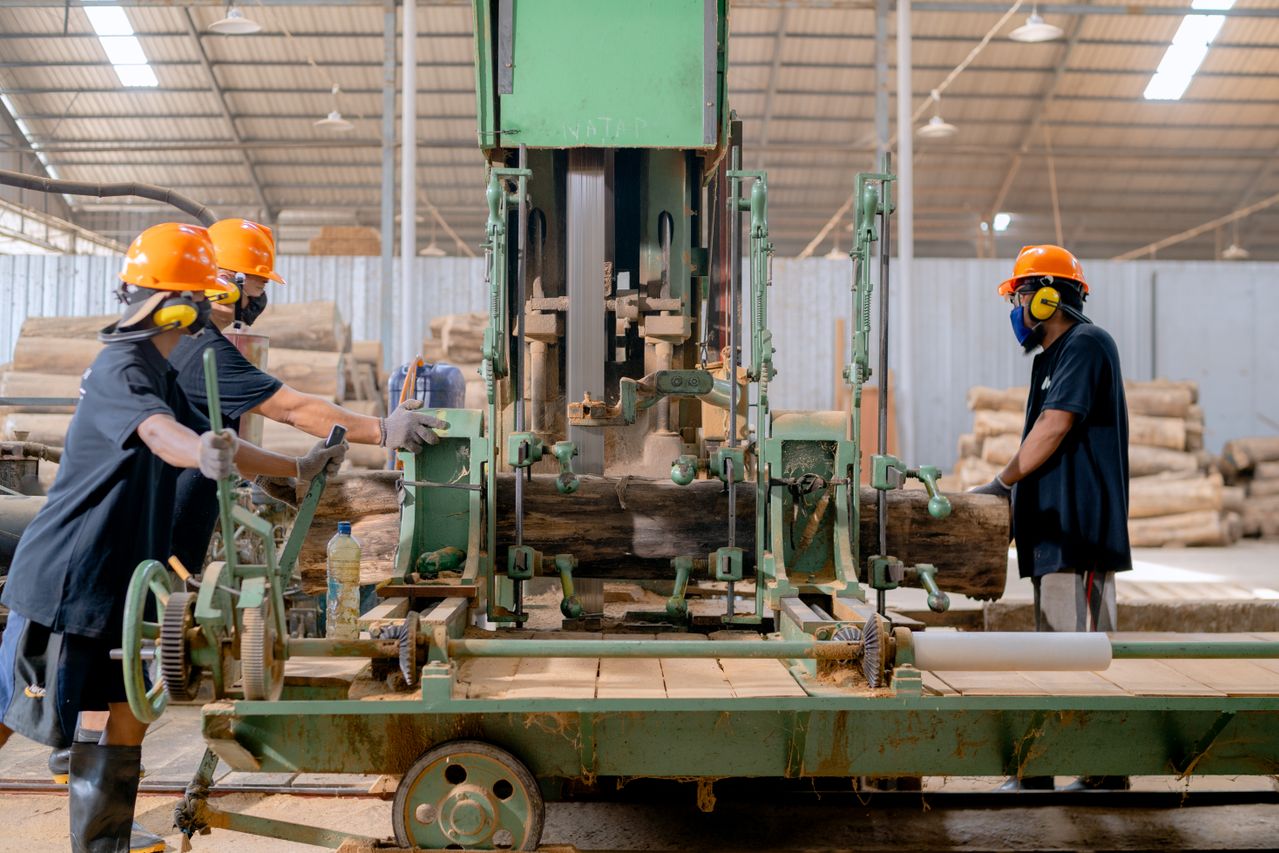
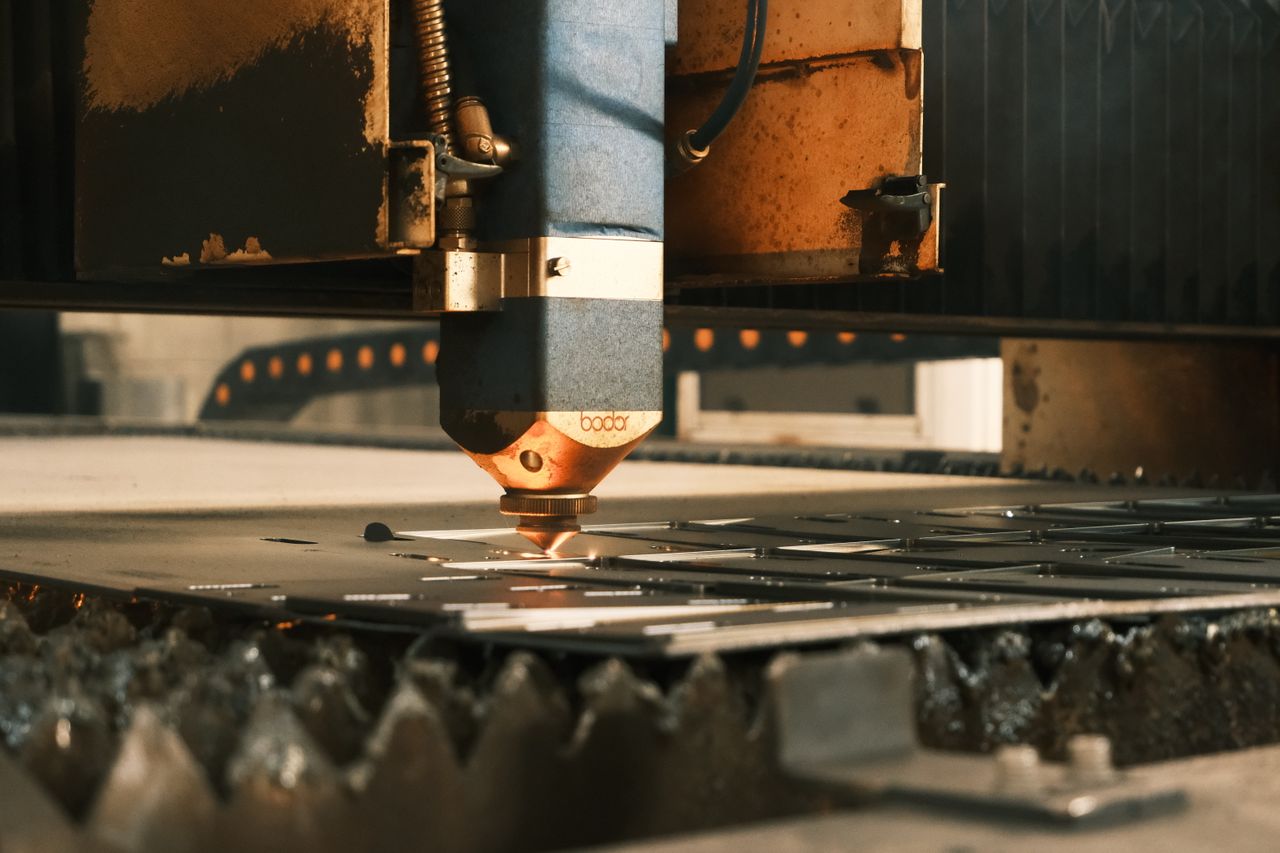
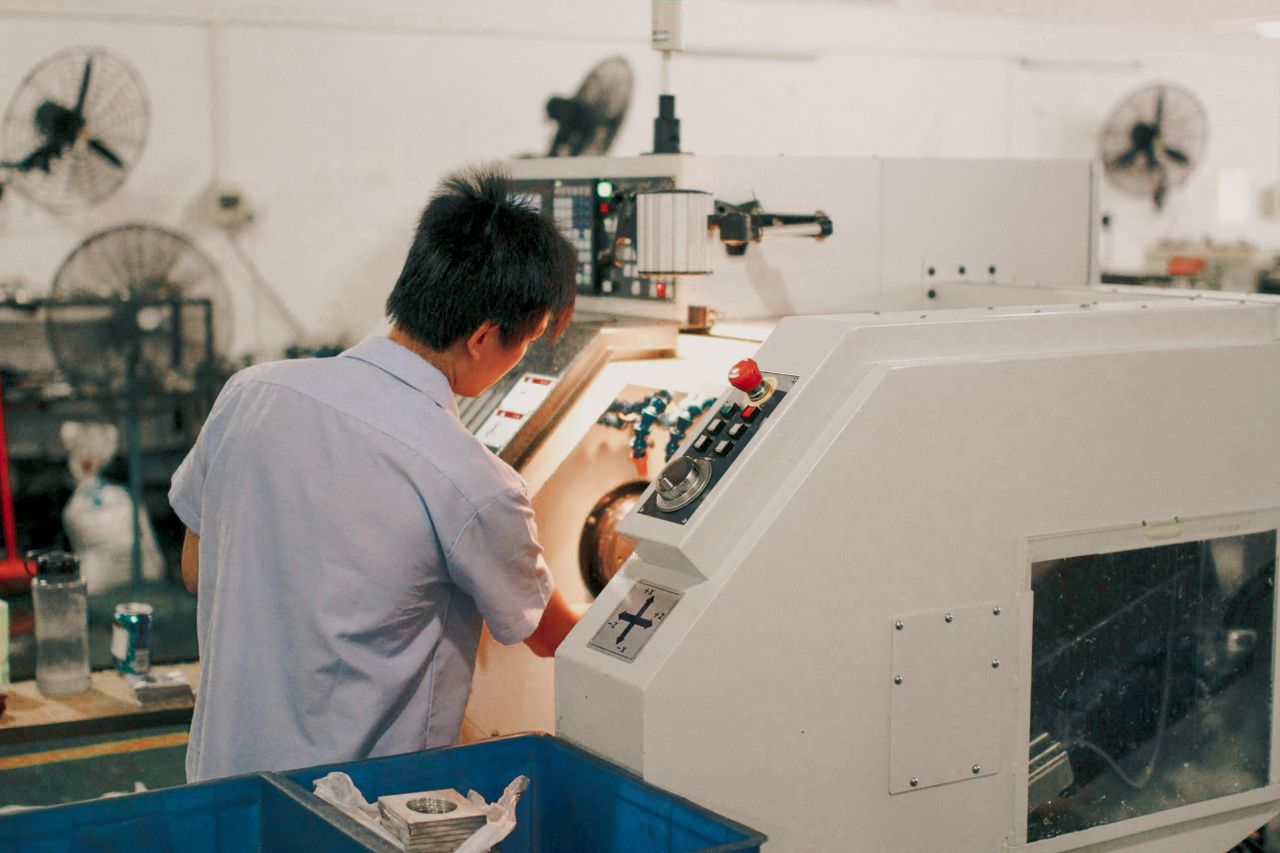
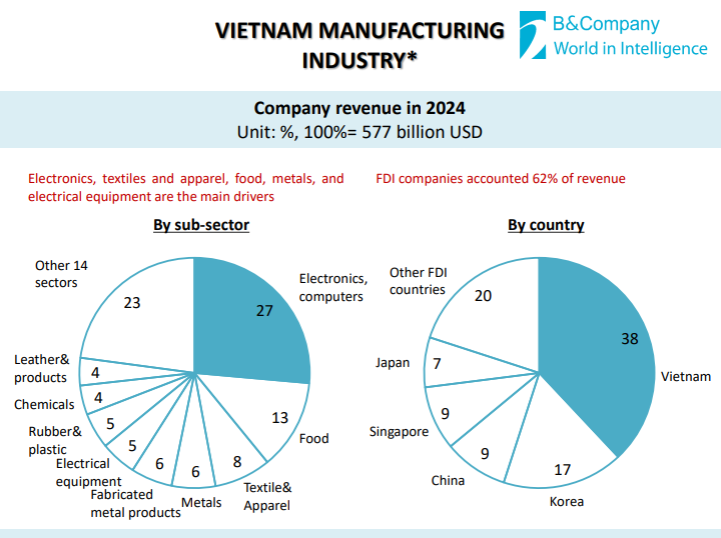
Japan’s manufacturing ecosystem in Vietnam is multi-layered, spanning heavy industry, automotive, electronics, consumer goods, and food. This structure reflects not only Japan’s technological strengths but also its strong adaptation to Vietnam’s 100-million-consumer domestic market.
Automotive and motorcycle industry: Pillar of sustainability
The automobile and motorcycle manufacturing industry is a traditional sector in which Japanese companies have established a strong position. Honda and Toyota have not only built factories but also developed extensive supplier networks, creating tens of thousands of jobs and contributing significantly to the GDP of Vinh Phuc province and surrounding areas. Other major companies, such as Yamaha and Isuzu, also maintain strong operations, further strengthening the transport vehicle value chain [5].
Electronics and imaging equipment industry: Regional technology hub
The presence of Canon, Panasonic, Sony and other electronics groups has put Vietnam on the world map of digital device manufacturing. A notable point is the form of 100% foreign capital investment, which accounts for a very high proportion, reaching 83.67% of the total number of projects, showing the desire of Japanese investors to completely control the technology process and product quality[6].
Food and Consumer Goods Industry: The Intersection of Cultural Production
In the food sector, Japanese companies have achieved great success by combining advanced production technology with Vietnamese consumers’ taste. Acecook Vietnam or Ajinomoto Vietnam are successful examples that have capitalized on the growing trend of quality-focused consumption in Vietnam.
Geographical distribution and industrial cluster linkages
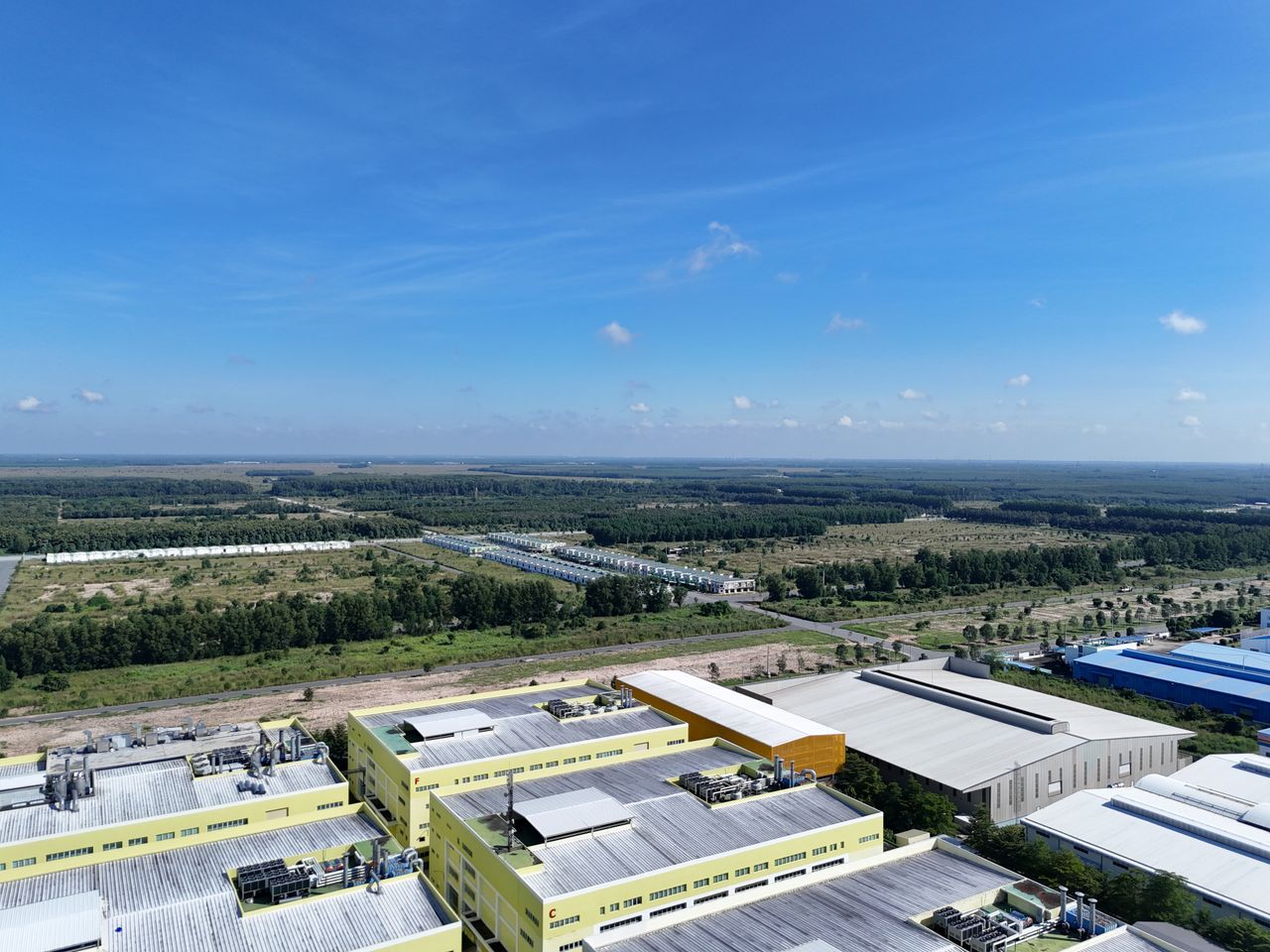
Japan’s investment map reflects a strategic distribution shaped by each locality’s logistics advantages and investment incentives. The development of Japan-oriented industrial zones and support services, such as Japan Desks, has created a more integrated and efficient manufacturing environment. Northern Vietnam, especially Hanoi, Hai Phong, Bac Ninh, and Vinh Phuc, has the highest concentration of Japanese manufacturers and serves as a national hub for machinery, electronics, and logistics. In the South, provinces such as Binh Duong, Dong Nai, and Ba Ria–Vung Tau are preferred destinations for heavy industries, including petrochemicals and supporting industries [7].
New Era: Semiconductor and Green Manufacturing
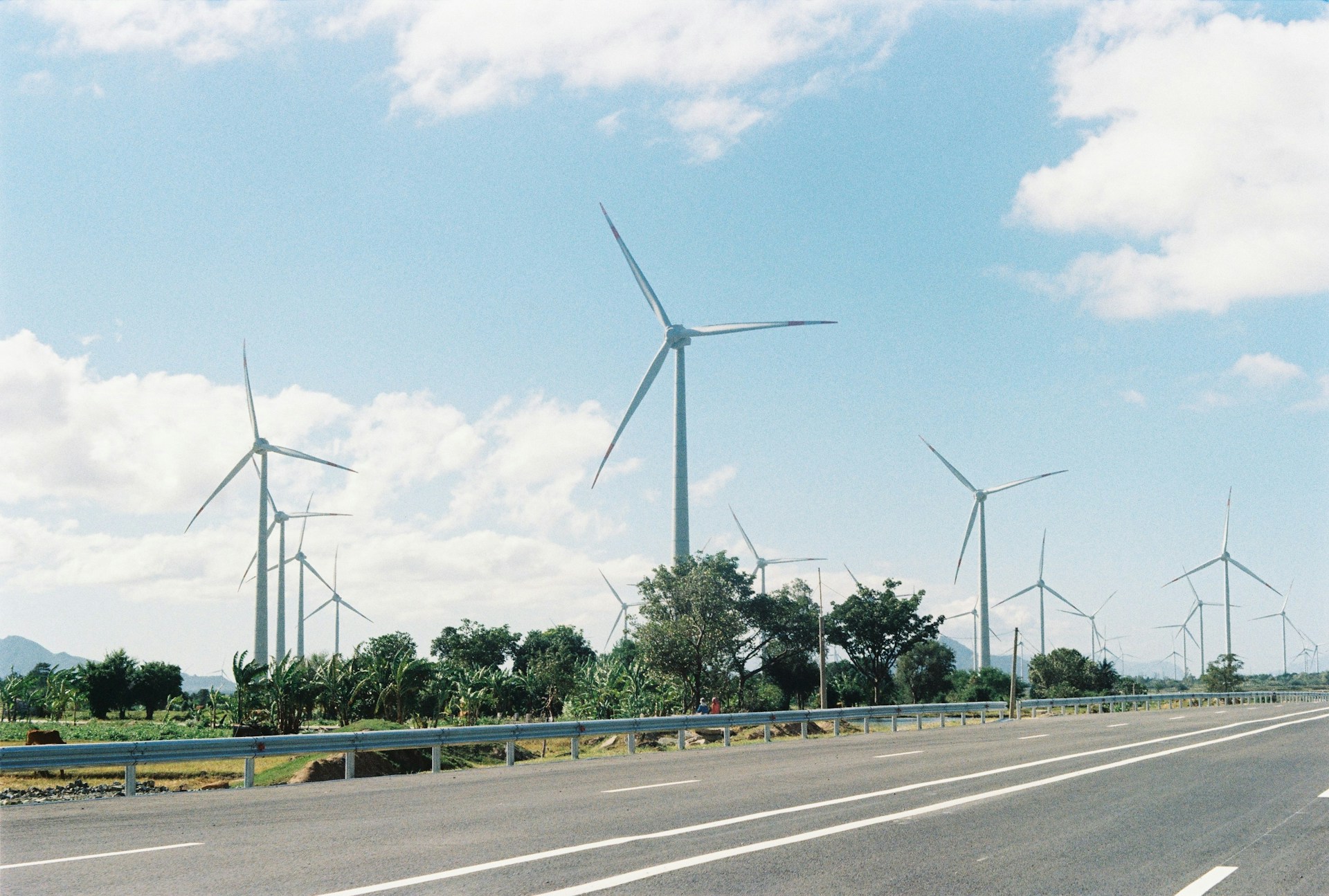
One of the most notable trends in Japan’s current investment landscape is the shift toward high-tech industries, particularly semiconductors. This is no longer just a forecast, but has materialized into concrete commitments through strategic initiatives between the two governments.
Table 2. High-tech projects and future orientation
| Projects/Field | Core Objective | Scale/Vision | Timeframe/ Progress |
| Semiconductor Chips/ NEXUS | Research on AI SoC, 3D IC, transistors, and advanced semiconductor devices | Approx. USD 100 million under Japan’s NEXUS-related framework; Master’s and PhD-level talent development | – Implemented under Japan’s NEXUS program for 2024-2029
– The first Vietnam-Japan semiconductor research projects are scheduled for October 2025 – March 2029, with further expansion planned through additional co-funded projects in 2026 – Vietnam national university (VNU) is also developing semiconductor research and training capacity, including IC design, fabrication and testing infrastructure in Hoa Lac, and targeting 10,000 semiconductor specialists by 2030 |
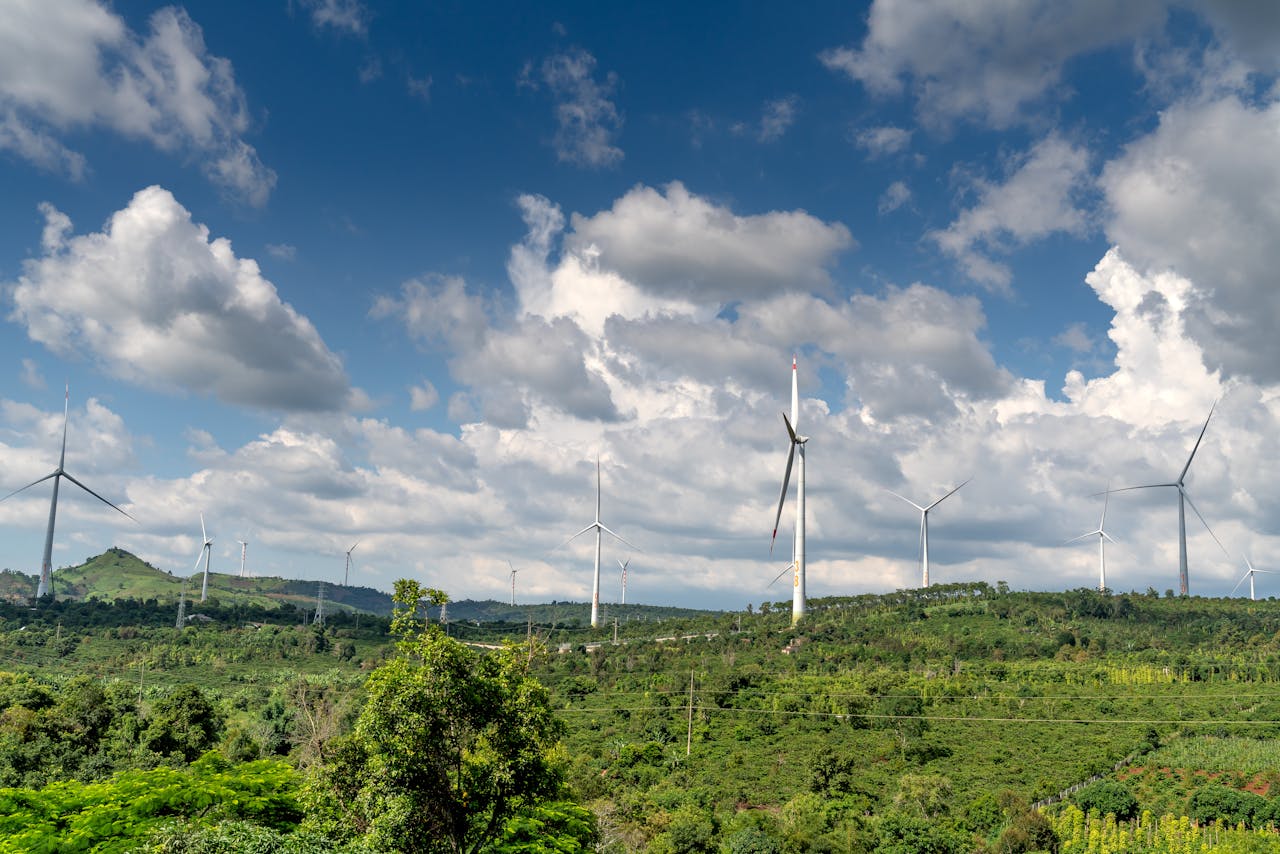
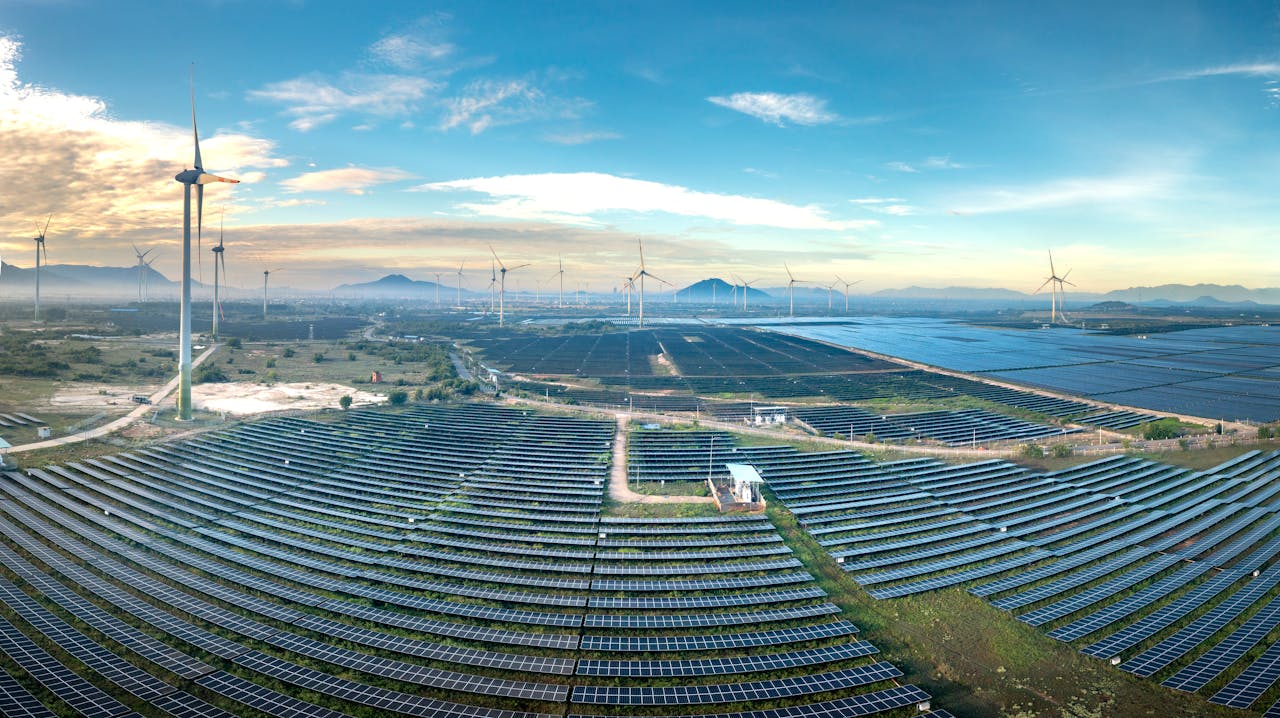
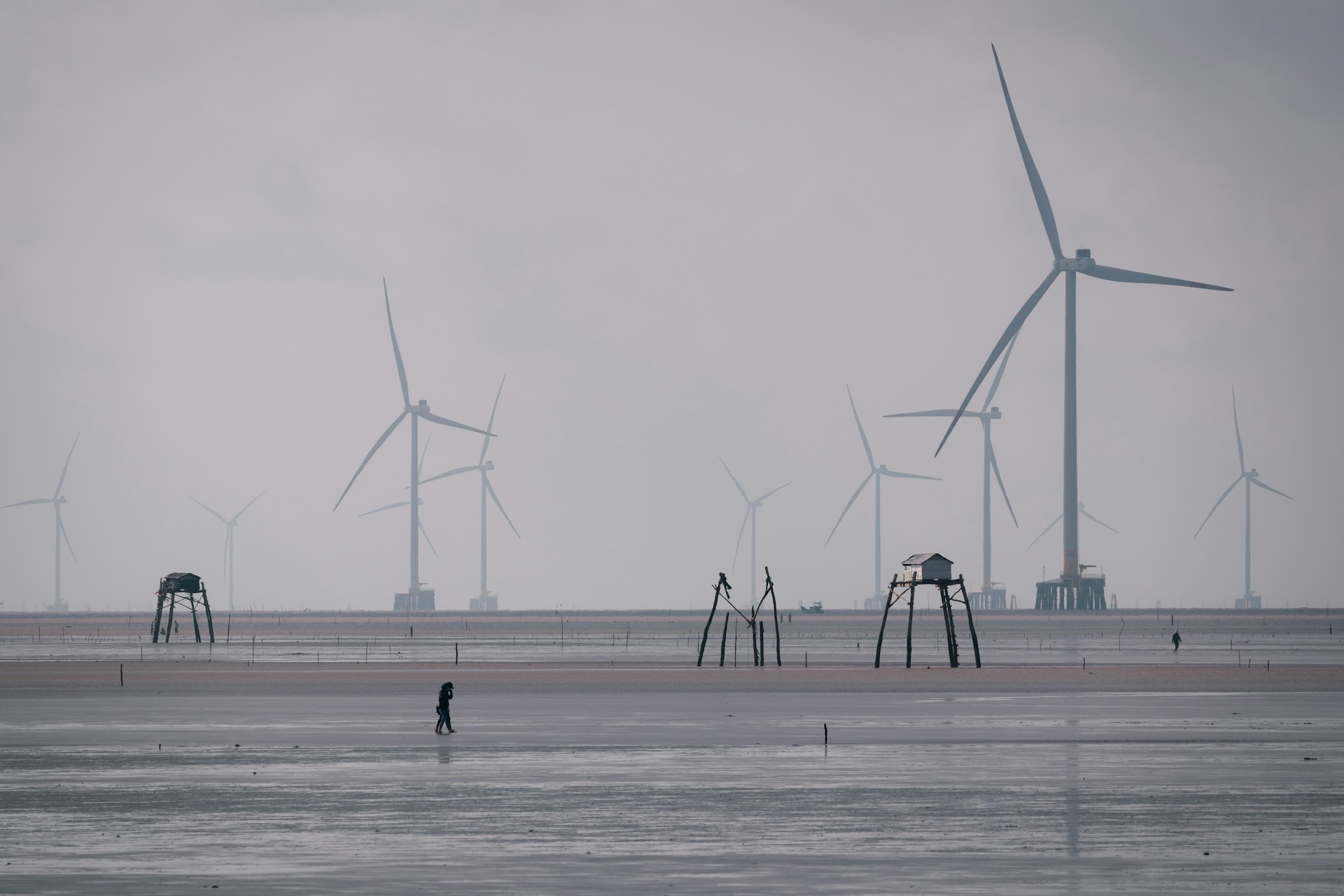
| Renewable Energy | Wind, solar, biomass, and waste to energy power | Support Net Zero 2050 commitments and CPTPP-related objective | – This should be treated as a medium- to long-term cooperation/investment theme rather than a single project
– Vietnam targets net-zero emissions by 2050, while PDP8 sets a target of 2,270 MW from biomass and waste-to-energy by 2030 – Japan-related progress includes ongoing biomass projects by Erex in Hau Giang, Tuyen Quang and Yen Bai, and continued cooperation through the Japan-Vietnam Joint Crediting Mechanism |
| Innovation / Digital Transformation /DX | Digital transformation in manufacturing processes | Raise efficiency through AI and IoT | – Aligned with Vietnam’s National Digital Transformation Program to 2025, with orientation toward 2030
– In the semiconductor ecosystem, shared laboratories in Hanoi and Ho Chi Minh City are being deployed with VNU and Hanoi University of Science and Technology, indicating that digital and R&D infrastructure is already under implementation |
| Power electronic components | Development of equipment for electric vehicles and smart grids | Optimize energy efficiency | – A related NEXUS semiconductor project on wide-bandgap semiconductor materials and devices for energy-management chips is scheduled for October 2025-March 2029
– The project focuses on GaN, β-Ga₂O₃ and SrTiO₃ materials, high-voltage diodes, HEMTs and flexible devices for energy-saving DC-DC converters and high-performance electronic devices. |
Source: B&Company’s synthesis from [8], [9], [10]
Investment environment and support mechanisms
The success of Japanese FDI has been supported by policy dialogue mechanisms and professional trade promotion organizations.
Vietnam–Japan Joint Initiative
Launched in 2003, this special intergovernmental cooperation aims to improve Vietnam’s business environment. Across eight phases, 497 out of 594 action items were completed successfully and on schedule, equivalent to 84% [11]. The new phase, launched in March 2024, goes beyond addressing administrative procedures and expands into new areas such as high-skilled human resource development and supporting industry promotion. Keidanren’s involvement ensures that the perspectives of major Japanese corporations are heard by Vietnamese policymakers [8].
JETRO’s Role and Business Matching Activities
The Japan External Trade Organization (JETRO) plays a central role in connecting businesses from both countries. Through platforms such as e-Venue, JETRO helps Vietnamese and Japanese businesses quickly and efficiently find partners. Technology transfer support programs, such as the linkage program between Toyama Prefecture and Vietnamese businesses, are helping to enhance the capabilities of the domestic manufacturing sector [12]. JETRO also frequently conducts surveys on the current situation of Japanese companies, providing valuable data on profit prospects and investment expansion trends [4].
Conclusion and Strategic Outlook
In conclusion, Japanese investment in Vietnam’s manufacturing sector is entering a new phase marked by higher quality, advanced technology, and greater sustainability. As the country gradually evolves from an assembly base into an R&D hub for strategic industries such as semiconductors and clean energy, the macro-level support from institutions like JETRO and Keidanren remains a vital pillar of this industrial modernization. However, translating this institutional goodwill into on-the-ground operational success requires expanding or incoming enterprises to look beyond generic market indicators. To effectively mitigate operational risks and secure a sustainable first-mover advantage, investors must focus on solving practical execution challenges—most notably through rigorous pre-feasibility site selections and the strategic vetting of high-quality domestic Tier-1 partners who can seamlessly match strict Japanese technical and sustainability standards.
Read more
Japanese FDI in Vietnam 2025: Highest profit outlook in 15 years – Is expansion next?
Investment from Japan to Vietnam in Energy Sector: Current Situation and Prospects
* If you wish to quote any information from this article, please kindly cite the source along with the link to the original article to respect copyright.
| B&Company
The first Japanese company specializing in market research in Vietnam since 2008. We provide a wide range of services including industry reports, industry interviews, consumer surveys, business matching. Additionally, we have recently developed a database of over 1,000,000 companies in Vietnam, which can be used to search for partners and analyze the market. Please do not hesitate to contact us if you have any queries. info@b-company.jp + (84) 28 3910 3913 |
Reference:
5. https://b-company.jp/vi/overview-of-japanese-companies-in-vietnam-2/
7. https://ktgindustrial.com/vi/new/danh-sach-cac-khu-cong-nghiep-viet-nam/
8. https://www.vn.emb-japan.go.jp/itpr_ja/20240510_initiative_vn.html
Related article




















Log in / Register
SUBSCRIBE NEWSLETTER