

 日本語
日本語  English
  Tiếng Việt
  简体中文
简体中文  한국어
한국어 米中貿易摩擦の激化により世界貿易の形が変わり、ベトナムは投資と輸出の重要な代替拠点として位置づけられている。
2025年3月20日
最新ニュースとレポート / ベトナムブリーフィング
コメント: コメントはまだありません.
激化する米中貿易摩擦は世界貿易を再編し、ベトナムを投資と輸出の重要な代替拠点として位置づけている。関税がサプライチェーンを混乱させる中、ベトナムは、特に繊維、農業、物流分野で、外国投資の増加と貿易の多角化による恩恵を受けると見込まれている。.
米中貿易摩擦の概要
米中貿易摩擦は、現代の世界貿易における最も重大な経済対立の一つである。長年にわたる経済的・地政学的対立を背景に、貿易紛争は2018年に大きく激化した。この年、米国は知的財産権の侵害、不公正な貿易慣行、拡大する貿易赤字への懸念を理由に、500億米ドル相当の中国からの輸入品に関税を課した。これに対し中国は米国製品に独自の関税を課して報復し、経済措置がエスカレートする連鎖を引き起こした[1].
貿易摩擦はその後も数年間続き、2025年初頭に大きく激化し始めた。新たな関税と報復措置が導入され、世界貿易の構造が混乱した。2025年2月1日、米国は二国間の経済的不均衡の深化を防ぐ必要性を理由に、中国を原産地とするすべての輸入品に10%の関税を正式に課した[2].
Shortly after, on February 4, 2025, China responded to the US trade policy by imposing two tariff rates: 15% on coal and liquefied natural gas (LNG) and 10% on crude oil, agricultural equipment, trucks, and large motor vehicles. Unlike the US, which applied tariffs broadly across all product categories, China adopted a more targeted approach, focusing on key US export industries to increase leverage in upcoming negotiations. The objective was to pressure the US into reaching a mutually favorable trade agreement[3].
However, by March 3, 2025, as no consensus had been reached between the two sides, the US proceeded to increase its tariff rate to 20% on all imports from China[4]. Just a day later, on March 4, 2025, China retaliated by imposing a new set of tariffs targeting agricultural products, dairy, and meat, with an estimated total trade value of $22 billion worth of US goods[5].
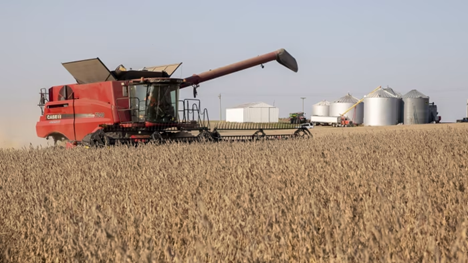
US agricultural products faced tariffs amounting to several billion USD
出典: フィナンシャル・タイムズ
関税政策の影響を受ける製品カテゴリー
The latest trade measures between the United States and China have significantly altered the landscape of global supply chains, affecting a wide range of industries. Compared to 2023, tariffs on US exports to China for these products were relatively low, ranging from 5% to 19%, with an average of 9%. However, they have now surged dramatically, reaching 10% to as high as 15% for certain specialized goods, reaching an average of 11%. Following the same trend, Chinese exports to the US, which previously faced tariffs of only 0% to 11% in 2023, are now subject to a flat 20% tariff across all product categories.
中国が新たに導入した関税は、エネルギー、農業、消費財、産業機器など、数十億米ドル規模の米国の主要輸出分野を対象としている。例えば、農産物だけでも210億米ドル相当の製品が影響を受けると見込まれている[6]. これらの措置は直接輸出業者に影響を及ぼすだけでなく、世界のバリューチェーンに組み込まれたサプライヤーにも混乱をもたらし、国際貿易の動向にさらなる圧力を加えている。.
関連記事




















ログイン / 新規登録
アカウントなしで続ける
ログイン / 新規登録
ニュースレターを購読する