

 English
  日本語
日本語  Tiếng Việt
  简体中文
简体中文  한국어
한국어 The escalating US-China trade tensions are reshaping global trade, positioning Vietnam as a key alternative hub for investment and exports.
20Mar2025
Latest News & Report / Vietnam Briefing
Comments: No Comments.
The escalating US-China trade tensions are reshaping global trade, positioning Vietnam as a key alternative hub for investment and exports. As tariffs disrupt supply chains, Vietnam is expected to benefit from increased foreign investment and trade diversification, particularly in textiles, agriculture, and logistics.
Overview of US-China Trade Tensions
The US-China trade tensions represent one of the most significant economic conflicts in modern global trade. Rooted in long-standing economic and geopolitical rivalries, the trade dispute escalated significantly in 2018, when the United States imposed tariffs on 50 billion USD worth of Chinese imports, citing concerns over intellectual property theft, unfair trade practices, and a growing trade deficit. In response, China retaliated with its own tariffs on US goods, triggering a cycle of escalating economic measures[1].
The trade tensions continued years after and started to escalate significantly in early 2025, marked by the introduction of new tariffs and retaliatory measures that disrupted global trade dynamics. On February 1, 2025, the US officially imposed a 10% tariff on all imports originating from China, citing the need to prevent a deepening economic imbalance between the two economies[2].
Shortly after, on February 4, 2025, China responded to the US trade policy by imposing two tariff rates: 15% on coal and liquefied natural gas (LNG) and 10% on crude oil, agricultural equipment, trucks, and large motor vehicles. Unlike the US, which applied tariffs broadly across all product categories, China adopted a more targeted approach, focusing on key US export industries to increase leverage in upcoming negotiations. The objective was to pressure the US into reaching a mutually favorable trade agreement[3].
However, by March 3, 2025, as no consensus had been reached between the two sides, the US proceeded to increase its tariff rate to 20% on all imports from China[4]. Just a day later, on March 4, 2025, China retaliated by imposing a new set of tariffs targeting agricultural products, dairy, and meat, with an estimated total trade value of $22 billion worth of US goods[5].
US agricultural products faced tariffs amounting to several billion USD
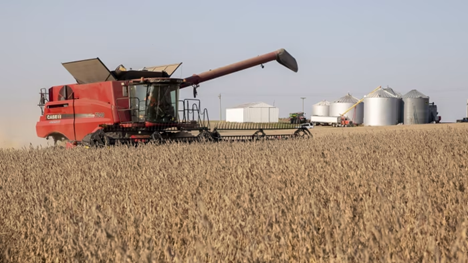
Source: Financial Times
Categories of Goods Affected by Tariff Policies
The latest trade measures between the United States and China have significantly altered the landscape of global supply chains, affecting a wide range of industries. Compared to 2023, tariffs on US exports to China for these products were relatively low, ranging from 5% to 19%, with an average of 9%. However, they have now surged dramatically, reaching 10% to as high as 15% for certain specialized goods, reaching an average of 11%. Following the same trend, Chinese exports to the US, which previously faced tariffs of only 0% to 11% in 2023, are now subject to a flat 20% tariff across all product categories.
China’s newly imposed tariffs target key US export sectors worth billions of dollars, including energy, agriculture, consumer goods, and industrial equipment. For instance, tariffs on agricultural products alone are expected to affect 21 billion USD worth of goods[6]. These measures not only impact direct exporters but also disrupt suppliers within global value chains, adding further pressure on international trade dynamics.
Related article



























Log in / Register
Continue without an account
Log in / Register
SUBSCRIBE NEWSLETTER