

 Tiếng Việt
  English
  日本語
日本語  简体中文
简体中文  한국어
한국어 Gần đây, Nhật Bản đã coi việc phát triển nguồn nhân lực chất lượng cao trong lĩnh vực bán dẫn và trí tuệ nhân tạo là ưu tiên chiến lược tại Việt Nam.

28/07/2026
Nội dung nổi bật / Nội dung nổi bật JP / Nội dung nổi bật vi / Đánh giá ngành / Tin tức & báo cáo mới nhất
Bình luận: Không có bình luận.
Tóm tắt
Việt Nam đang đặt việc phát triển nguồn nhân lực chất lượng cao làm trọng tâm trong quá trình chuyển đổi công nghiệp thông qua các chiến lược quốc gia và chương trình chuyên ngành gần đây, đặc biệt là trong lĩnh vực bán dẫn, khoa học công nghệ và chuyển đổi số. Hợp tác Việt Nam - Nhật Bản gần đây phản ánh định hướng chính sách này thông qua các sáng kiến kết hợp giáo dục đại học, nghiên cứu chung, chuyển giao công nghệ và hợp tác công nghiệp. Bài viết này điểm lại những diễn biến chính sách và sáng kiến hợp tác gần đây để thảo luận về ý nghĩa của chúng đối với sự hợp tác trong tương lai về phát triển nguồn nhân lực chất lượng cao.
Định hướng chính sách của Việt Nam về phát triển nguồn nhân lực chất lượng cao
Các chiến lược quốc gia và nghị quyết chính sách gần đây đặt phát triển nguồn nhân lực chất lượng cao (HHR) vào hàng ưu tiên phát triển trọng điểm của Việt Nam, với sự nhấn mạnh ngày càng tăng vào việc đáp ứng nhu cầu nhân lực cho quá trình nâng cấp công nghiệp, chuyển đổi số, khoa học công nghệ, các ngành chiến lược và hội nhập quốc tế. Chiến lược phát triển kinh tế - xã hội (SEDS) 2021–2030 Chiến lược này định nghĩa phát triển nguồn nhân lực là một chương trình toàn diện bao gồm không chỉ các kỹ năng và trình độ chuyên môn kỹ thuật mà còn cả sức khỏe, đạo đức, trách nhiệm và năng lực quản lý. Chiến lược cũng xác định bốn nhóm nhân lực ưu tiên—chuyên gia kỹ thuật, kỹ thuật số, quản lý và dịch vụ xã hội—để đáp ứng nhu cầu của Công nghiệp 4.0 và hội nhập quốc tế. Nghị quyết số 71-NQ/TW (2025) Báo cáo "Những đột phá trong phát triển giáo dục và đào tạo" đặt ra các mục tiêu đầy tham vọng nhằm tăng cường giáo dục đại học và dạy nghề, nâng cao tỷ lệ lao động có bằng cao đẳng và đại học, và tăng số lượng sinh viên theo học các ngành khoa học, kỹ thuật và công nghệ, với mục tiêu phát triển nguồn nhân lực chất lượng cao cho nền kinh tế công nghiệp hiện đại.[1]. Nghị quyết số 57-NQ/TW (2024Báo cáo về những đột phá trong khoa học, công nghệ, đổi mới và phát triển chuyển đổi số quốc gia xác định việc phát triển và sử dụng hiệu quả nguồn nhân lực chất lượng cao là một trong bảy nhiệm vụ chiến lược, đồng thời đặt mục tiêu tăng lực lượng lao động trong lĩnh vực khoa học, công nghệ và đổi mới lên 12 người trên 10.000 dân.[2].
Quyết định số 1017/QĐ-TTg (2024) Quyết định phê duyệt Chương trình Phát triển Nguồn Nhân lực cho Ngành Công nghiệp Bán dẫn đến năm 2030, với Tầm nhìn đến năm 2050, xác định phát triển nhân tài trong ngành bán dẫn là “bước đột phá quan trọng nhất” trong phát triển nguồn nhân lực chất lượng cao. Quyết định này đưa ra các cơ chế chính sách chuyên biệt để hỗ trợ các trường đại học, chuyên gia, giảng viên và người học, đồng thời đặt mục tiêu đào tạo ít nhất 50.000 chuyên gia bán dẫn trình độ đại học vào năm 2030 trong các lĩnh vực thiết kế, đóng gói, kiểm thử và sản xuất bán dẫn.[3].
Đà phát triển gần đây trong Việt Nam –Hợp tác Nhật Bản trong phát triển nguồn nhân lực chất lượng cao
Sự hợp tác định hướng chính sách
Gần đây, Nhật Bản liên tục coi phát triển nguồn nhân lực chất lượng cao trong lĩnh vực bán dẫn và trí tuệ nhân tạo là ưu tiên chiến lược trong Quan hệ Đối tác Chiến lược Toàn diện Việt Nam - Nhật Bản, đồng thời lồng ghép phát triển nguồn nhân lực vào hợp tác rộng hơn về khoa học, công nghệ và phát triển công nghiệp. Trong cuộc gặp giữa Thủ tướng Lê Minh Hùng và Chủ tịch JICA Tanaka Akihiko vào tháng 6 năm 2026, JICA đã đề xuất bốn trụ cột ưu tiên cho hợp tác ODA với Việt Nam trong thời gian tới, bao gồm phát triển nguồn nhân lực chất lượng cao, phát triển công nghiệp và chuỗi cung ứng, phát triển thể chế và chính sách, và phát triển cơ sở hạ tầng. Chủ tịch Tanaka cũng xác định khoa học và công nghệ là lĩnh vực hợp tác trọng điểm, nhấn mạnh tiềm năng hợp tác trong phát triển nguồn nhân lực bán dẫn, đào tạo lãnh đạo cho chuyển đổi số, và khoản vay hỗ trợ ngân sách của Nhật Bản cho trí tuệ nhân tạo và chuyển đổi số.[4].Trước đó, tại một cuộc họp báo do Đại sứ quán Nhật Bản tại Việt Nam tổ chức vào tháng 4 năm 2026, Đại sứ Ito Naoki đã tuyên bố cam kết của Nhật Bản trong việc hỗ trợ đào tạo khoảng 250 nghiên cứu sinh tiến sĩ người Việt Nam cho ngành công nghiệp bán dẫn.[5].
Thủ tướng Lê Minh Hưng gặp Chủ tịch JICA Tanaka Akihiko, 11/06/2026
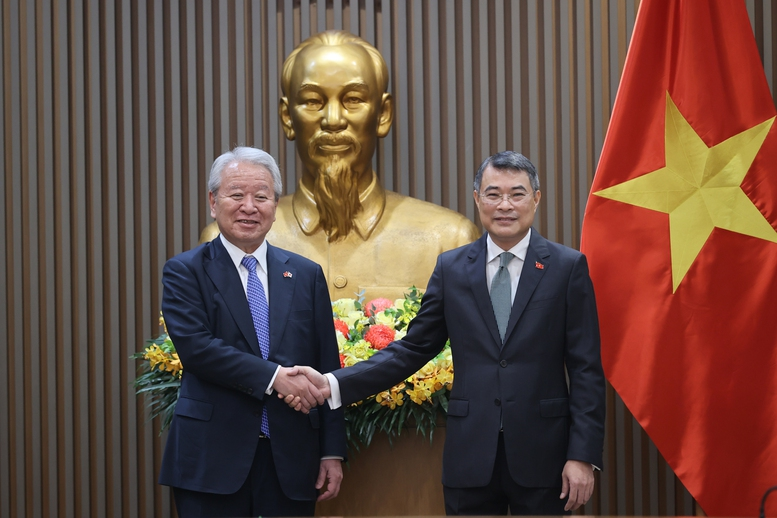
Nguồn: baochinhphu.vn
Hợp tác trong lĩnh vực bán dẫn trên thực tiễn: Chương trình NEXUS
Một ví dụ cụ thể về cách tiếp cận này là chương trình NEXUS, một sáng kiến khoa học và công nghệ khu vực do Cơ quan Khoa học và Công nghệ Nhật Bản (JST) khởi xướng cho ASEAN trong giai đoạn 2024–2029.[6]. Mặc dù chương trình tập trung vào hợp tác nghiên cứu, nhưng nó cũng đóng vai trò là một nền tảng quan trọng để phát triển nguồn nhân lực chất lượng cao thông qua quan hệ đối tác đại học, nghiên cứu hợp tác và trao đổi nhà nghiên cứu. Trong khuôn khổ NEXUS, mỗi quốc gia thành viên ASEAN được phân công một lĩnh vực trọng tâm khác nhau. Việt Nam được chỉ định là quốc gia duy nhất trong khu vực dành riêng cho lĩnh vực bán dẫn. Vào tháng 5 năm 2026, Bộ Khoa học và Công nghệ Việt Nam đã phê duyệt năm dự án nghiên cứu chung theo khuôn khổ này. Cả năm dự án đều nằm trong chuỗi giá trị bán dẫn — mạch tích hợp 3D, vật liệu transistor có độ linh động cao, cảm biến môi trường, điện tử công suất và dự án chip SoC AI, trong đó thành phần AI đề cập đến phần cứng chip được xây dựng để chạy các tác vụ AI chứ không phải là một hướng nghiên cứu riêng biệt. Mỗi dự án ghép nối một trường đại học Việt Nam với một trường đại học Nhật Bản, bao gồm Đại học Sư phạm Hà Nội với Đại học Hiroshima, Đại học Khoa học và Công nghệ Liên Hợp Quốc với Viện Khoa học và Công nghệ Quốc gia Nhật Bản (NAIST), Đại học Khoa học và Công nghệ Hà Nội với Đại học Tokyo và Đại học Phenikaa với Đại học Ritsumeikan.[7]. Mười dự án khác dự kiến sẽ được đồng tài trợ vào năm 2026, và 60 nghiên cứu sinh trẻ người Việt Nam đã được chọn tham gia nghiên cứu chung tại Nhật Bản.[8]. Nhìn chung, NEXUS thể hiện cách thức hợp tác Việt Nam - Nhật Bản tích hợp nghiên cứu chung, quan hệ đối tác đại học và phát triển nhân tài để hỗ trợ lực lượng lao động ngành bán dẫn của Việt Nam.
Hợp tác giữa các trường đại học như nền tảng cho việc phát triển nguồn nhân lực chất lượng cao.
VJU như một điểm hội tụ cho chiến lược nguồn nhân lực chất lượng cao của Việt Nam và Nhật Bản.
Trong số các kênh hợp tác nguồn nhân lực Việt Nam - Nhật Bản, Đại học Việt Nam - Nhật Bản (VJU) nổi bật như một cơ sở giáo dục hội tụ nhiều yếu tố chiến lược. Từ khi thành lập năm 2014, VJU đã nhận được sự hỗ trợ kỹ thuật bền vững từ Nhật Bản thông qua ba giai đoạn hợp tác kỹ thuật liên tiếp của JICA với tổng kinh phí gần 10 tỷ yên; giai đoạn thứ ba (2026-2031) hiện đang được chuẩn bị nhằm chuyển trọng tâm từ hỗ trợ hoạt động sang năng lực nghiên cứu và liên kết với ngành công nghiệp.[9]. Trường đại học cũng đã đóng góp vào sự phát triển nguồn nhân lực ngành bán dẫn của Việt Nam thông qua chương trình cử nhân Kỹ thuật chip bán dẫn, phù hợp với các ưu tiên quốc gia của đất nước.[10]. Ngoài ra, VJU đã bắt đầu xây dựng mối quan hệ trực tiếp với ngành công nghiệp bán dẫn của Nhật Bản, bao gồm chuyến thăm của đoàn đại biểu tới Đại học Kumamoto vào tháng 12 năm 2025, nơi tọa lạc tại một trong những cụm sản xuất chip lớn của Nhật Bản.[11]. Về mặt học thuật, sự tham gia rất sâu rộng – bảy trường đại học hàng đầu của Nhật Bản đã trực tiếp tham gia thiết kế chương trình giảng dạy của VJU.[12]. VJU cũng đã đạt được chứng nhận chất lượng quốc tế (iJAS, từ Hiệp hội Kiểm định Đại học Nhật Bản, tháng 5 năm 2025), cho thấy trường đã trưởng thành vượt qua giai đoạn dự án thí điểm.[13].
Thỏa thuận liên chính phủ chính thức làm nền tảng cho quản trị dài hạn của Đại học Việt Nam (VJU) vẫn đang được hoàn thiện, với một số chi tiết vẫn đang được thảo luận. Tuy nhiên, tiến trình rõ ràng đang tiến triển: dự án khu học xá Hoa Lạc, được tài trợ thông qua ODA, đặt mục tiêu khởi công vào năm 2026, và cả hai chính phủ đã tái khẳng định VJU là dự án ưu tiên sau chuyến thăm của Thủ tướng Nhật Bản vào tháng 5 năm 2026.[14].
Đại học Cần Thơ: Một trung tâm khu vực được xây dựng trên nền tảng hợp tác lâu dài giữa Việt Nam và Nhật Bản.
Đại học Cần Thơ (CTU) đã trở thành một nền tảng quan trọng cho hợp tác Việt Nam - Nhật Bản trong lĩnh vực giáo dục đại học và phát triển nguồn nhân lực, được hỗ trợ bởi gần ba thập kỷ hợp tác. Quan hệ đối tác này bao gồm dự án viện trợ không hoàn lại của JICA để thành lập Trường Cao đẳng Nông nghiệp (1993–1995), dự án vay vốn ODA bằng đồng Yên của Nhật Bản cho cơ sở hạ tầng trường (2015–2022), và hai giai đoạn hợp tác kỹ thuật liên tiếp: TC1 (2016–2021) và dự án TC2 đang triển khai (2022–2027). Dự án TC2 hiện tại nhằm mục đích tăng cường đóng góp của CTU vào sự phát triển bền vững của Đồng bằng sông Cửu Long bằng cách thúc đẩy hợp tác giữa các trường đại học, chính quyền địa phương và ngành công nghiệp. Dự án được cấu trúc xung quanh ba thành phần: giáo dục và đào tạo; nghiên cứu chung và chuyển giao công nghệ; và hợp tác khu vực. Trong thành phần nghiên cứu chung và chuyển giao công nghệ, tám trường đại học đối tác Nhật Bản—bao gồm Đại học Tokyo, Đại học Hokkaido, Đại học Kyushu và Đại học Nông nghiệp và Công nghệ Tokyo—đang tham gia vào mười hai dự án nghiên cứu hợp tác bao gồm sản xuất lúa gạo, nuôi trồng thủy sản, an toàn thực phẩm, giám sát xói mòn bờ biển và hệ thống dữ liệu khu vực trên nhiều tỉnh thuộc Đồng bằng sông Cửu Long. Các dự án này kết hợp nghiên cứu học thuật với triển khai thực tiễn tại địa phương, phản ánh định hướng rộng hơn của hợp tác Việt Nam - Nhật Bản nhằm tăng cường hợp tác khoa học và công nghệ, đồng thời phát triển nguồn nhân lực chất lượng cao, có khả năng giải quyết các thách thức phát triển thực tiễn. Với dự án TC2 tiếp tục đến năm 2027, quan hệ đối tác CTU minh họa mô hình hợp tác dài hạn giữa Việt Nam và Nhật Bản, tích hợp giáo dục, nghiên cứu, chuyển giao công nghệ và hợp tác khu vực trong một khuôn khổ thể chế duy nhất.[15]. Chương trình này cũng minh họa cách thức các mối quan hệ đối tác lâu dài giữa các trường đại học có thể hỗ trợ phát triển nguồn nhân lực chất lượng cao song song với hợp tác nghiên cứu ứng dụng và công nghệ.
Cuộc thảo luận: Cơ hội mới nổi
Nhìn chung, những diễn biến chính sách và sáng kiến hợp tác gần đây cho thấy sự hợp tác Việt Nam - Nhật Bản trong phát triển nguồn nhân lực chất lượng cao đang bước vào giai đoạn hội nhập sâu rộng hơn, trong đó giáo dục, nghiên cứu, hợp tác công nghệ và phát triển công nghiệp ngày càng được thúc đẩy thông qua các quan hệ đối tác thể chế liên kết chặt chẽ. Hướng đi này tạo điều kiện thuận lợi cho việc mở rộng hợp tác trong các lĩnh vực nhận được sự hỗ trợ mạnh mẽ từ chính phủ cả hai nước, đặc biệt là công nghệ bán dẫn, chuyển đổi số và khoa học công nghệ, đồng thời tăng cường hợp tác trong các lĩnh vực ứng dụng như nông nghiệp, phát triển bền vững môi trường và phát triển vùng.
Một xu hướng đáng chú ý khác là vai trò ngày càng tăng của các cơ sở giáo dục đại học như những nền tảng lâu dài cho hợp tác song phương. Các sáng kiến gần đây thể hiện một mô hình rộng hơn, kết hợp phát triển chương trình giảng dạy, nghiên cứu chung, trao đổi nghiên cứu viên, chuyển giao công nghệ và hợp tác với ngành công nghiệp. Kinh nghiệm của Đại học Việt Nam - Nhật Bản (VJU), Đại học Cần Thơ (CTU) và chương trình NEXUS minh họa các cách tiếp cận khác nhau nhưng bổ sung cho nhau trong việc phát triển nguồn nhân lực chất lượng cao thông qua hợp tác bền vững giữa các tổ chức.
Các sáng kiến gần đây cũng cho thấy cơ hội ngày càng tăng để củng cố mối liên kết giữa các trường đại học, viện nghiên cứu và ngành công nghiệp. Khi các chương trình phát triển nguồn nhân lực ngày càng phù hợp hơn với các ưu tiên công nghiệp quốc gia, nghiên cứu hợp tác, chuyển giao công nghệ và sự tham gia của ngành công nghiệp dự kiến sẽ đóng vai trò lớn hơn trong việc hỗ trợ hệ sinh thái đổi mới và phát triển năng lực lực lượng lao động cho các ngành công nghiệp chiến lược.
* Nếu bạn muốn trích dẫn bất kỳ thông tin nào từ bài viết này, xin vui lòng ghi rõ nguồn cùng với liên kết đến bài viết gốc để tôn trọng bản quyền.
| B&Company
Là công ty Nhật Bản đầu tiên chuyên về nghiên cứu thị trường tại Việt Nam từ năm 2008. Chúng tôi cung cấp nhiều dịch vụ đa dạng bao gồm báo cáo ngành, phỏng vấn ngành, khảo sát người tiêu dùng, kết nối kinh doanh. Ngoài ra, gần đây chúng tôi đã xây dựng cơ sở dữ liệu hơn 1.000.000 công ty tại Việt Nam, có thể được sử dụng để tìm kiếm đối tác và phân tích thị trường. Xin vui lòng liên hệ với chúng tôi nếu bạn có bất kỳ câu hỏi nào. info@b-company.jp + (84) 24 3978 5165 |
[1] Nghị quyết số 71-NQ/TW của Bộ Chính trị về những đột phá trong phát triển giáo dục và đào tạo.Truy cập>
[2]Nghị quyết số 57-NQ/TW về những đột phá trong khoa học, công nghệ, đổi mới và phát triển chuyển đổi số quốc gia.Truy cập>
[3] Quyết định số 1017/QĐ-TTg phê duyệt Chương trình phát triển nguồn nhân lực ngành công nghiệp bán dẫn đến năm 2030, tầm nhìn đến năm 2050.Truy cập>
[4] VietnamPlus. Thủ tướng kêu gọi JICA hỗ trợ công nghiệp hóa Việt Nam thông qua ODA thế hệ mới.Truy cập>
[5] Nhân Dân Trực Tuyến. Thúc đẩy hợp tác Việt Nam - Nhật Bản trên bốn trụ cột chính.Truy cập>
[6] VnExpress. Việt Nam và Nhật Bản khởi động năm dự án nghiên cứu chung về chất bán dẫn.Truy cập>
[7] Suc khoe & Doi song. Bộ Khoa học và Công nghệ công bố năm dự án nghiên cứu bán dẫn hợp tác Việt Nam - Nhật Bản.Truy cập>
[8] VietnamPlus. Việt Nam và Nhật Bản thúc đẩy hợp tác trong lĩnh vực khoa học, công nghệ và bán dẫn.Truy cập>
[9] Đại học Quốc gia Việt Nam (VNU). Chủ tịch JICA Tanaka Akihiko: Bảy trường đại học hàng đầu Nhật Bản đã đóng góp trực tiếp vào việc phát triển các chương trình học thuật tại Đại học Việt Nam - Nhật Bản.Truy cập>
[10] Tuyensinh247. Quy trình tuyển sinh – Đại học Việt Nam Nhật Bản (VJU)Truy cập>
[11] Đại học Quốc gia Việt Nam (VNU). Thúc đẩy hoàn thiện Hiệp định liên chính phủ Việt Nam - Nhật Bản nhằm tạo động lực mạnh mẽ cho sự phát triển của Đại học Việt Nam - Nhật Bản (VJU).Truy cập>
[12] Đại học Quốc gia Việt Nam (VNU). Chủ tịch JICA Tanaka Akihiko: Bảy trường đại học hàng đầu Nhật Bản đã đóng góp trực tiếp vào việc phát triển các chương trình học thuật tại Đại học Việt Nam - Nhật Bản.Truy cập>
[13] Đại học Việt Nam - Nhật Bản (VJU). Tài liệu thông tin tuyển sinh của VJUTruy cập>
[14] Giao Đức & Trường Đại học. Việt Nam - Nhật Bản thúc đẩy Hiệp định liên chính phủ về phát triển Đại học Việt Nam - Nhật Bản.Truy cập>
[15] Cơ quan Hợp tác Quốc tế Nhật Bản (JICA). Dự án Nâng cao Quản lý Tích hợp Dựa trên Khoa học về Phát triển Bền vững tại Đồng bằng sông Cửu Long (SDMD2045)Truy cập>
Bài viết liên quan









Đăng nhập / Đăng ký
ĐĂNG KÝ NHẬN BẢN TIN