

 English
  日本語
日本語  Tiếng Việt
  简体中文
简体中文  한국어
한국어 FMCG companies in Vietnam had to restructure packaging strategies to protect margins and maintain competitiveness in a more volatile operating environment.
06May2026
Latest News & Report / Vietnam Briefing
Comments: No Comments.
The geopolitical crisis in the Middle East in early 2026 created a supply-chain shock that quickly spread from critical maritime chokepoints to retail shelves in Vietnam. Oil markets were hit first: the IEA reported the largest monthly oil-price increase on record in March 2026, with North Sea Dated crude trading around USD 130 per barrel, about USD 60 above pre-conflict levels.[1] This energy shock fed directly into petrochemical inputs, pushing plastic-related costs higher; in Vietnam, plastic bag wholesale prices reportedly rose from around VND 40,000/kg to VND 55,000/kg, while broader plastic prices increased by about 15% or more.[2] Logistics costs also intensified, as carriers introduced emergency bunker surcharges globally from late March/April 2026, while conflict-related surcharges reached up to USD 3,000 per FEU on affected Gulf and Red Sea routes.[3]
Together, these pressures created a severe cost squeeze for FMCG companies: packaging materials typically account for around 3–15% of total product cost, and can be higher depending on product category and packaging complexity. [4]Against this backdrop, leading FMCG companies in Vietnam are being forced to restructure packaging strategies, including greater use of recycled materials, lighter packaging design, and localization of supply, in order to protect margins and maintain competitiveness in a more volatile operating environment.
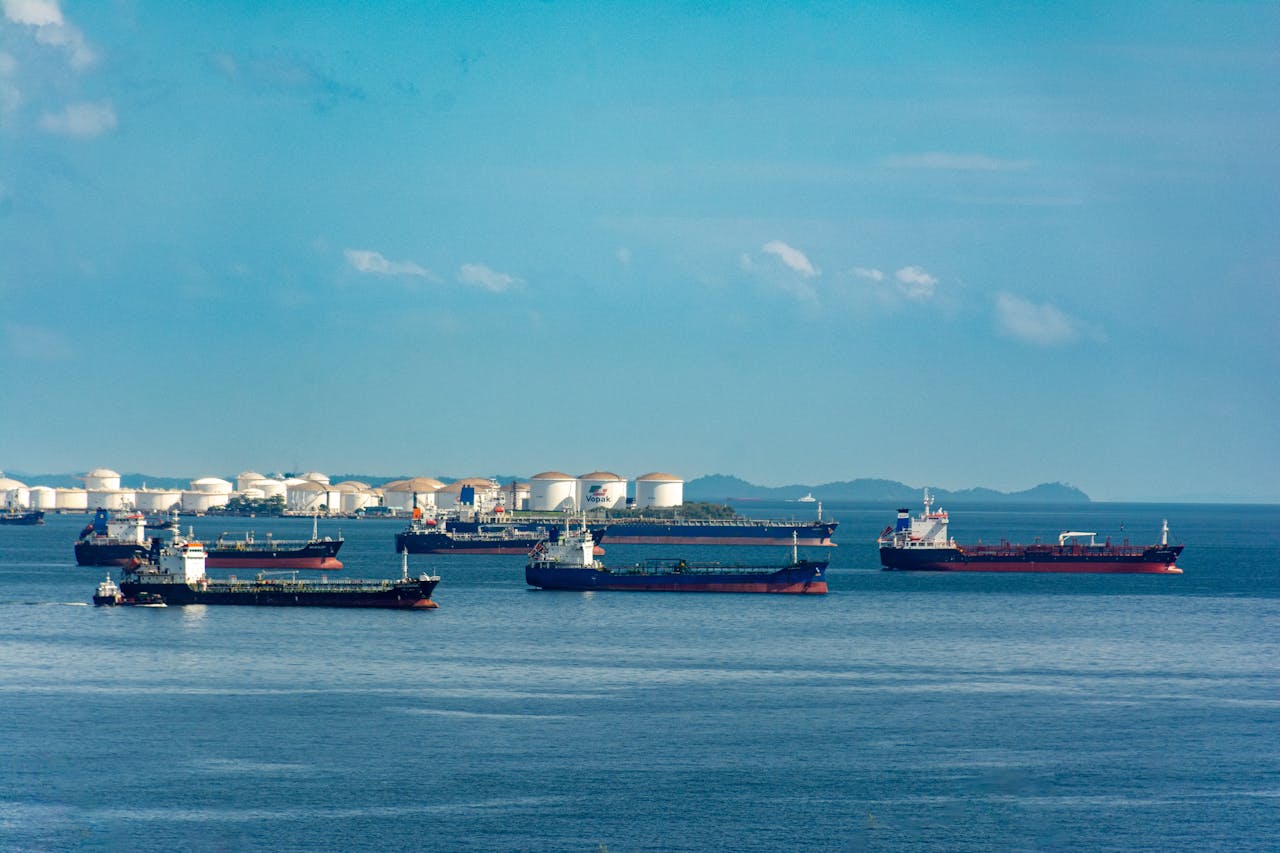
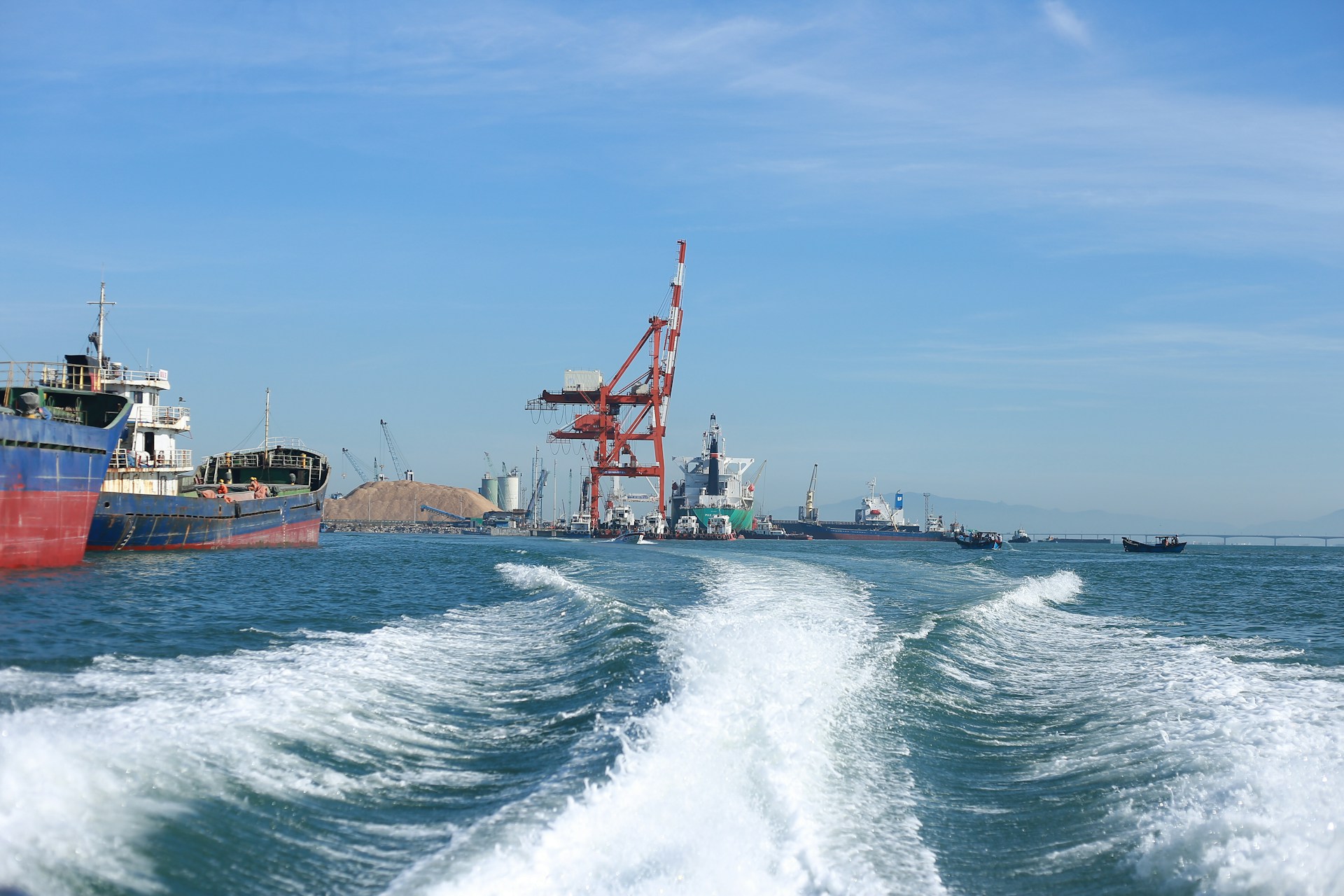
Logistics costs also intensified, as carriers introduced emergency bunker surcharges globally from late March/April 2026
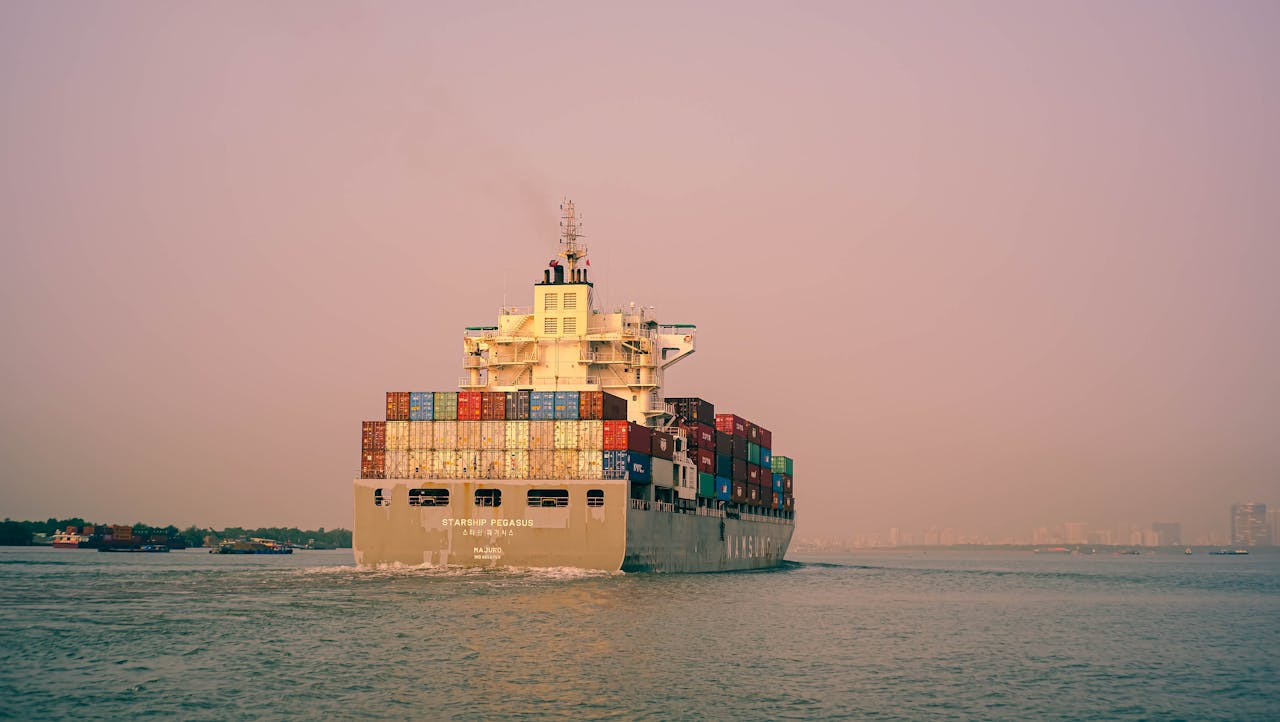
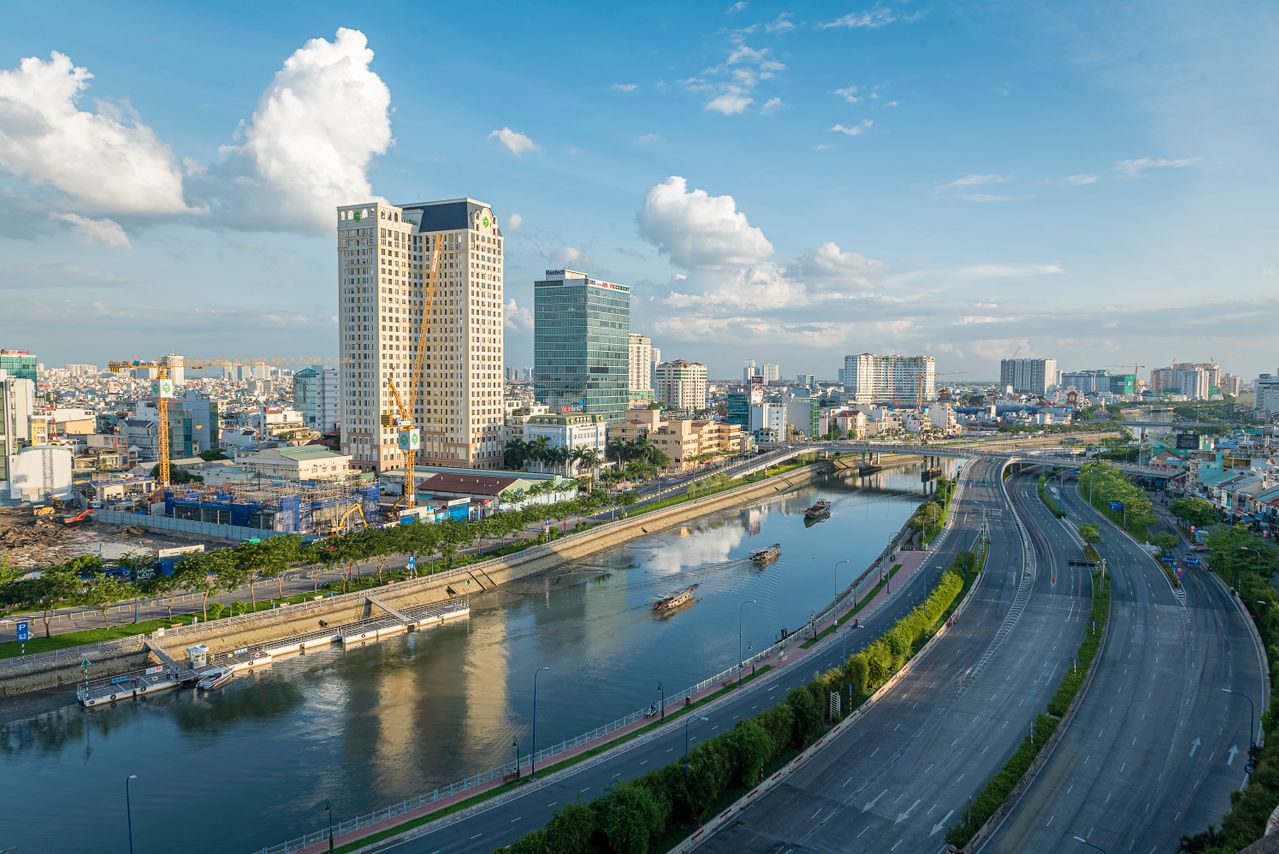
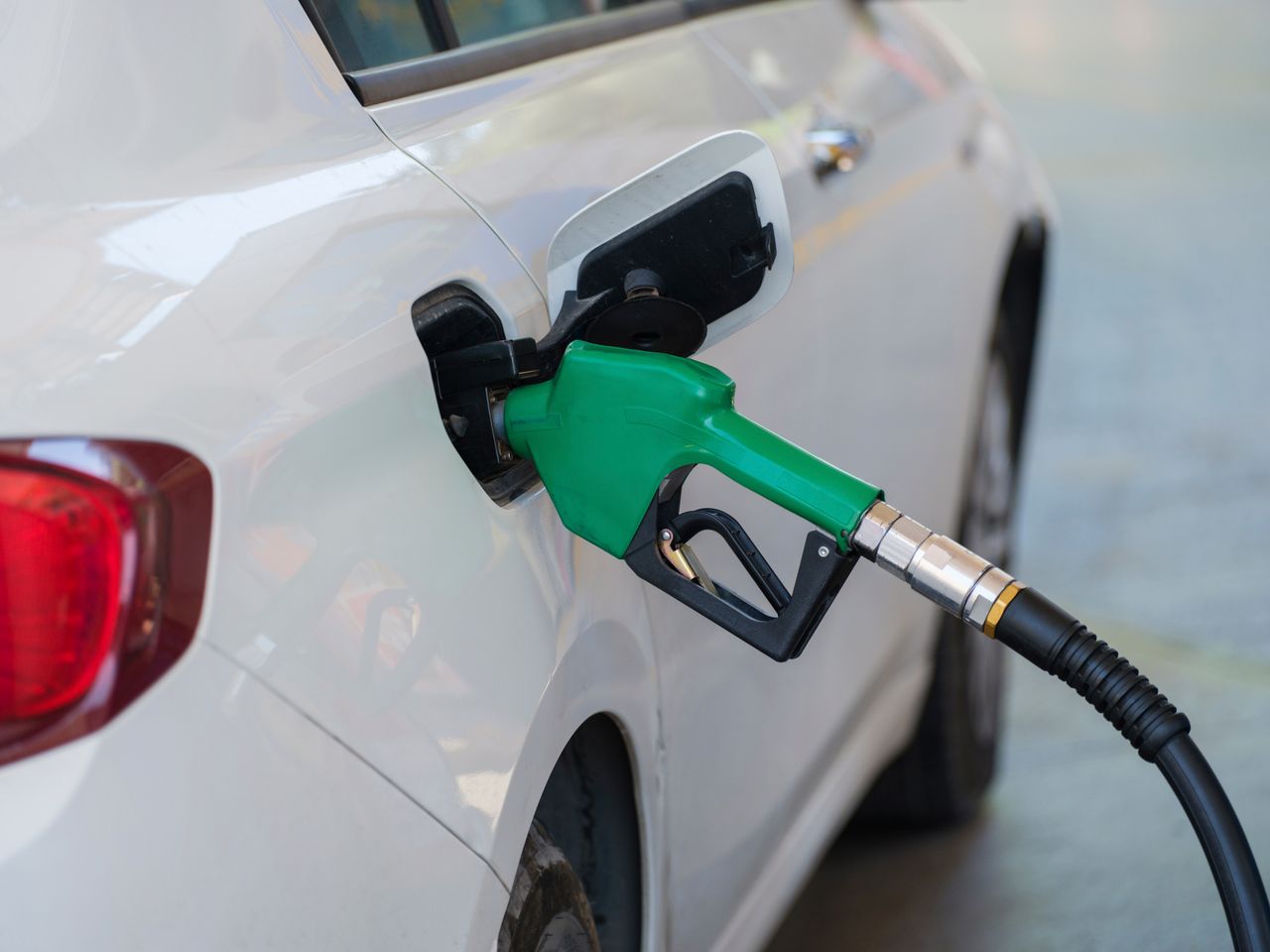
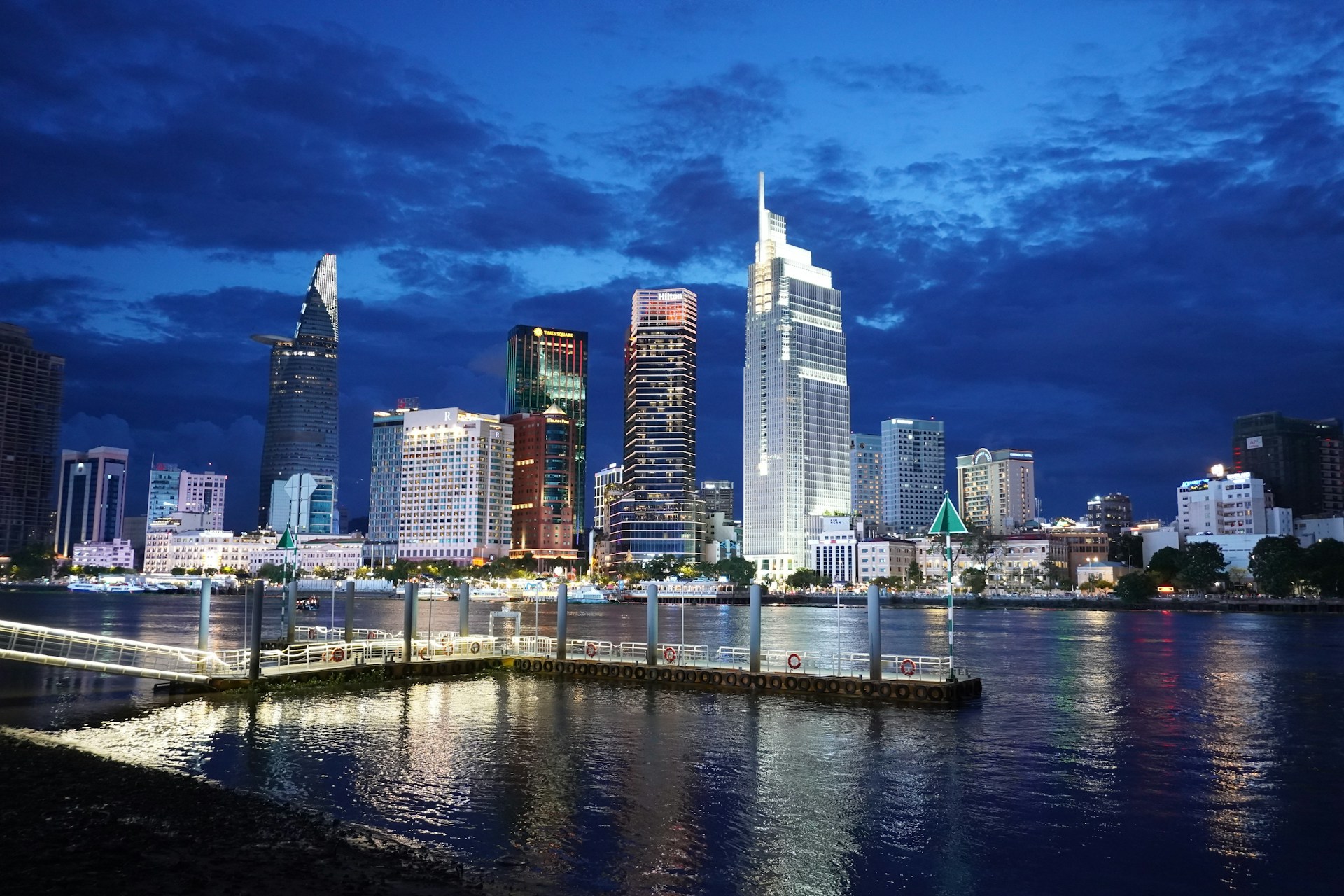
Illustrative photo
Geopolitical context and the breakdown of energy stability
In April 2026, the Middle East crisis became a direct cost shock for Vietnam’s FMCG sector by disrupting the energy-to-packaging value chain.
Oil price developments at the peak of the crisis (April 2026)
| Market Indicator | Feb 2026
(Pre-conflict) |
Apr 2026
(Actual) |
Change (%) |
| Brent crude (USD/barrel) | ~70 – 75 | 130 | +73% |
| Physical oil price (USD/barrel) | ~80 | 150 | +87% |
| OPEC+ production (mb/d) | 42.4 | 33.0 | -22% |
| Exports via Hormuz (mb/d) | >20.0 | 3.8 | -81% |
| 2Q26 demand forecast reduction (mb/d) | – | 1.5 | N/A |
Source: International Energy Agency (IEA), Goldman Sachs
The Strait of Hormuz is a critical chokepoint, with about 20–20.9 million barrels per day of oil flows, equivalent to roughly one-fifth of global petroleum liquids consumption.[5] The IEA reported that global oil supply fell by 10.1 million barrels per day to 97 million barrels per day in March 2026, driven by attacks on Middle East energy infrastructure and restrictions on tanker movements through Hormuz.[6] This disruption rapidly increased costs for FMCG producers because crude oil and natural gas are key feedstocks for naphtha, ethylene and petrochemical resins such as PE, PP and PET, which are widely used in films, bags, caps, food containers and beverage bottles. In Vietnam, this pressure was reflected in packaging inputs: plastic bag wholesale prices reportedly rose from around VND 40,000/kg to VND 55,000/kg, while resin-related packaging costs increased materially.[7] Given that packaging typically accounts for about 3–15% of total product cost, and can be higher for packaging-intensive FMCG categories, volatility in petrochemical inputs can quickly erode gross margins, particularly in packaged food, beverages and personal care products.[8]
Logistics crisis and supply chain disruptions
For FMCG companies in Vietnam, packaging is an integral part of a global logistics network. Instability in the Strait of Hormuz and the Red Sea forced major shipping lines such as Maersk, MSC, and CMA CGM to reroute vessels via the Cape of Good Hope instead of the Suez Canal. This detour added approximately 11,000 nautical miles and extended transit times by 10–14 days on key routes. As a result, congestion intensified at major transshipment hubs such as Singapore and Colombo, leading to longer dwell times, higher storage costs, and additional pressure on Vietnamese ports.[9] For the FMCG sector, a delay of even two weeks can disrupt production schedules, create stock shortages on shelves, and increase working capital requirements due to prolonged inventory-in-transit.
Freight costs and surcharges (April 2026)
| Fee / Surcharge | Applied Rate (USD) | Scope of Impact |
| War risk surcharge (WRS) | 1,500/TEU | Routes involving the Gulf region |
| Emergency fuel surcharge | +35% | Global (due to rising VLSFO prices) |
| Emergency freight increase (EFI) | 3,000/FEU | Asia – Middle East routes |
| Transpacific rate increase | +40% | Asia – US West Coast |
| Asia–Europe Rate Increase | +20% | Asia – Northern Europe |
Source: SeaVantage and Drewry
Beyond direct cost increases, the extended voyage durations led to a shortage of empty containers at Asian ports, intensifying competition for vessel space. Vietnamese FMCG small and medium-sized enterprises (SMEs), often with weaker bargaining power, were typically deprioritized in booking allocations. This resulted in delays in the arrival of packaging materials at factories. Such disruptions reinforced the “pressure from packaging,” forcing manufacturers to operate below capacity while increasing fixed costs per unit. The inability to secure timely packaging inputs has thus become a critical bottleneck affecting production continuity and overall cost efficiency.
Plastic packaging industry: the epicenter of the raw material price surge
Plastic packaging represents the largest component of FMCG packaging in Vietnam; however, the sector relies on approximately 70% imported raw materials. As PE supply from the Middle East was disrupted and oil prices surged, domestic plastic resin prices experienced significant volatility. By April 2026, prices of virgin plastic resins had increased by 15–30% compared to the beginning of the year, further pressured by shortages of key feedstocks such as paraxylene and naphtha. This escalation significantly raised production costs for plastic packaging.[10]
Virgin plastic resin prices in Vietnam (updated April 2026)
| Resin Type | Price (VND/kg) | Main FMCG Applications |
| Polypropylene (PP) | 26,400–32,400 | Instant noodle packaging, films, bottle caps |
| Polyethylene Terephthalate (PET) | 26,400–33,600 | Beverage bottles, food containers |
| High-Density Polyethylene (HDPE) | 28,800–36,000 | Detergent containers, milk bottles, bags |
| Low-Density Polyethylene (LDPE) | 26,400–33,600 | Shrink films, soft plastic bags |
| Polyvinyl Chloride (PVC) | 24,000–30,000 | Stretchable food wrap films |
| Acrylonitrile Butadiene Styrene (ABS) | 45,000–55,000 | Casings for small household appliances |
Source: Compiled from Anh Sang Packaging and Industrial News Agency
A deeper analysis indicates that price increases are not uniform across all resin types. Plastics used in food and medical applications—particularly PET and HDPE—experienced stronger price hikes due to stricter requirements on material traceability and the limited availability of specialized additives, which were also affected by supply chain disruptions.[11] This situation places food processing and dairy companies under greater pressure compared to other sectors. In these industries, packaging is not merely a container but a critical component ensuring food safety standards and extending shelf life—especially in a context of prolonged logistics delays.[12]
Strategic responses: from inventory management to packaging transformation
Amid rising cost pressures, Vietnamese FMCG companies have not remained passive. Instead, they have adopted a multi-layered set of defensive measures to protect profit margins and maintain supply chain continuity.
Capital management and strategic inventory reserves
For major players such as Masan and Vinamilk, the first and most critical response has been to actively manage production volumes and monitor price movements to build reserves of lower-cost raw materials. According to Virac, many companies locked in prices and stocked plastic resins and aluminum billets for three to six months before the conflict escalated.[13] Flexible cash flow management has enabled these companies to maintain their competitive position in the domestic market, while smaller competitors have struggled with highly volatile spot market prices.
Packaging Engineering
Rather than treating packaging as a bottleneck, companies are using it as a lever to reduce operating costs. Key measures include optimizing material usage, standardizing packaging structures across multiple SKUs to reduce mold and printing costs, and developing lighter, more durable packaging suitable for e-commerce to lower logistics costs and reduce damage during delivery.[14]
Transition to recycled packaging and the circular economy
The use of recycled plastics not only reduces raw material costs but also helps companies comply with Extended Producer Responsibility (EPR) regulations, which have become increasingly stringent in Vietnam during 2024–2026. Investment in packaging collection and recycling systems enables companies to build a more closed-loop ecosystem, reducing dependence on geopolitical fluctuations in the Middle East.
Conclusion
“Pressure from packaging” amid the 2026 Middle East conflict represents a severe but necessary stress test for Vietnam’s FMCG industry. It has exposed structural weaknesses in import-dependent supply chains, while also creating opportunities for innovation in packaging design, alternative materials, and digital transformation.
Market leaders such as Vinamilk have shown that proactive brand repositioning, packaging optimization, and investment in technology can help companies not only withstand cost pressures but also strengthen profitability and consumer trust. In an era of instability, the adaptability of packaging has become a clear indicator of the internal resilience and strategic vision of Vietnamese FMCG brands as they move toward global expansion.
Read more
Middle East conflict: A supply chain perspective – The domino effect from China
* If you wish to quote any information from this article, please kindly cite the source along with the link to the original article to respect copyright.
| B&Company
The first Japanese company specializing in market research in Vietnam since 2008. We provide a wide range of services including industry reports, industry interviews, consumer surveys, business matching. Additionally, we have recently developed a database of over 900,000 companies in Vietnam, which can be used to search for partners and analyze the market. Please do not hesitate to contact us if you have any queries. info@b-company.jp + (84) 28 3910 3913 |
[1] https://www.iea.org/reports/oil-market-report-april-2026
[2] https://www.vietnam.vn/en/gia-nhua-toan-cau-tang-cao
[3] https://www.flexport.com/blog/middle-east-escalation-disrupts-global-ocean-and-air-freight-networks / https://www.maersk.com/news/articles/2026/03/11/emergency-bunker-surcharge-ebs-global
[4] https://matpack.net/en/blog/the-ratio-of-packaging-costs-to-total-product-cost-and-its-impacts
[5] https://www.eia.gov/international/analysis/special-topics/World_Oil_Transit_Chokepoints / https://www.eia.gov/todayinenergy/detail.php?id=65504
[6] https://www.iea.org/reports/oil-market-report-april-2026
[7] https://theinvestor.vn/plastic-resin-shortage-drives-industry-divide-as-costs-surge-d18694.html
[8] https://matpack.net/en/blog/the-ratio-of-packaging-costs-to-total-product-cost-and-its-impacts
[9] https://www.seavantage.com/blog/strait-of-hormuz-crisis-2026-shipping-disruption-timeline
[10] https://theleader.vn/gia-hat-nhua-tang-theo-gia-dau-doanh-nghiep-doi-dien-ap-luc-lon-d45266.html
[11] https://theleader.vn/gia-hat-nhua-tang-theo-gia-dau-doanh-nghiep-doi-dien-ap-luc-lon-d45266.html
[12] https://www.brandsvietnam.com/congdong/topic/344092-nganh-hang-tieu-dung-nhanh-fmcg-dung-de-bao-bi-cua-ban-tro-thanh-vu-khi-bi-lang-quen
[13] https://viracresearch.com/bao-cao-nganh-ban-buon-thuc-pham-q1-2026/
[14] https://www.brandsvietnam.com/congdong/topic/thuc-trang-bao-bi-hang-tieu-dung-nam-2025-va-checklist-2026
Related article










Log in / Register
SUBSCRIBE NEWSLETTER