

 English
  日本語
日本語  Tiếng Việt
  简体中文
简体中文  한국어
한국어 Despite limited trade to the Middle East, Vietnam may still face short-term pressure on energy costs, logistics, and upstream supply chain.

12Mar2026
Highlight content / Highlight Content JP / Highlight content vi / Latest News & Report / Vietnam Briefing
Comments: No Comments.
Despite limited direct trade exposure to the Middle East, Vietnam could still face short-term pressure through higher energy costs, logistics disruption, and upstream supply chain risks.
For the full report, please read here ENG_Iran and the US war effect on Vietnam
Key insights from the report
Energy shocks may spread faster than direct trade disruption
The US–Iran conflict is unlikely to affect Vietnam primarily through direct trade flows. Vietnam’s exports to the Middle East account for only a small share of total exports, meaning the country’s direct commercial exposure to the region remains relatively limited. However, this does not mean Vietnam is insulated from the conflict. In practice, the more important transmission channel is likely to be global energy volatility, which can quickly spill over into domestic costs and market sentiment.
Among all impact areas, the energy market stands out as the most immediate. As global oil prices rose sharply after the conflict began, fuel prices in Vietnam also increased rapidly. This highlights a key vulnerability in the Vietnamese market: even when geopolitical tensions occur far from its borders, Vietnam remains exposed because fuel is a core input for transportation, manufacturing, and distribution. Once energy prices rise, the impact spreads well beyond the oil market itself.
Higher fuel costs could quickly turn into broader inflation pressure
Rising oil prices may become a broader inflation driver. Estimates suggest that Vietnam’s CPI could increase from around 2.5% to approximately 5% in the coming months if fuel prices remain elevated. This matters because fuel costs do not stay isolated within the transportation sector. Instead, they affect the cost of moving raw materials, imported goods, and finished products across the economy.
As a result, the conflict may create cost-push inflation rather than demand-side weakness. Businesses may face higher operating expenses even if consumption remains relatively stable. Sectors with narrow margins or strong dependence on transportation may come under pressure first, especially if they are unable to pass rising costs on to customers immediately.
Logistics may be one of the first sectors to feel the impact
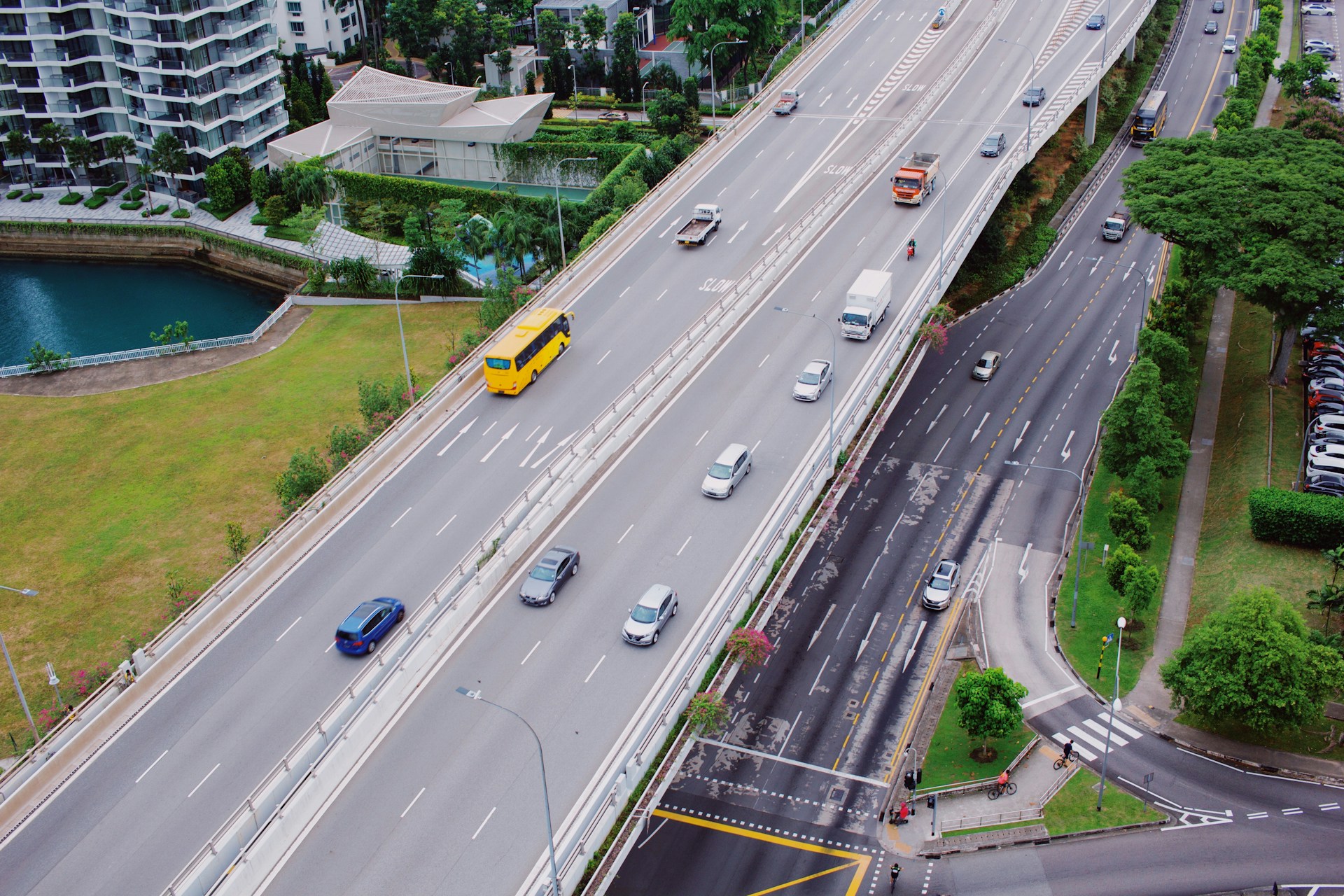
Logistics and transportation are among the most directly affected sectors. Domestic sea freight has increased by around 25%, while road transport costs have risen by about 20%. This is particularly significant in Vietnam, where road transport plays a dominant role in both passenger traffic and freight movement. When trucking costs rise, the effect can be felt across the domestic value chain, from manufacturers and wholesalers to retailers and end consumers.
Operational pressure in the logistics sector is also becoming more visible. Some truck drivers have reportedly left the market as higher fuel costs reduce profitability. At the same time, transport demand remains high as companies attempt to secure goods and manage inventories ahead of potential price adjustments. This combination of rising costs and labor shortages may create additional bottlenecks in domestic distribution, making logistics not only more expensive but also less predictable.
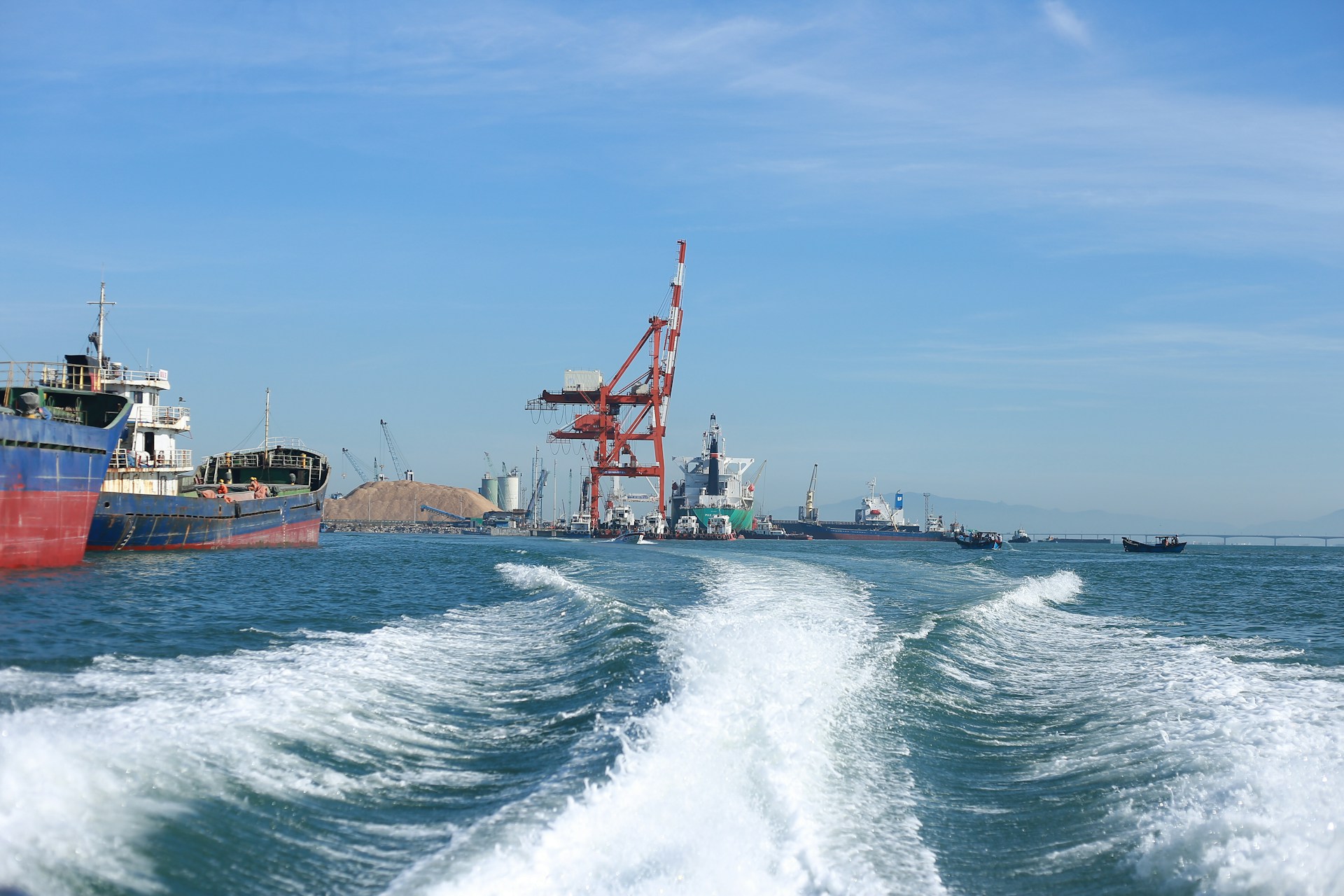
International transport is also facing higher costs. Rising oil prices increase bunker fuel costs for shipping and aviation fuel costs for air freight. For Vietnam, this is especially relevant for industries such as electronics, garments, and furniture, which rely heavily on efficient international logistics to maintain competitiveness in export markets.
Upstream supply chain pressure may come through China
Vietnam may also experience indirect pressure through regional supply chains, particularly through China. Because China depends heavily on energy flows linked to the Strait of Hormuz, disruptions in the Middle East can raise its energy costs and production expenses. This may lead to higher export prices for goods shipped from China to Vietnam, including electronics components, machinery, plastics, and textile-related inputs.
For Vietnamese manufacturers, this creates an additional cost layer. The conflict may not only increase domestic fuel and logistics costs but also raise the price of imported intermediate goods. Businesses that depend heavily on imported materials could therefore face declining margins, particularly in industries where price competition remains intense.
Early signs of precautionary purchasing behavior have also emerged. Some factories and companies have accelerated orders and accepted higher prices to secure supply amid concerns about future shortages or transportation disruptions. This behavior may amplify short-term volatility in input markets, particularly for materials linked to oil-based production such as packaging plastics.
Government measures aim to stabilize the fuel market
To reduce the domestic impact of fuel price volatility, the Vietnamese government has introduced several stabilizing measures. These include temporary reductions in petroleum import taxes, use of the fuel price stabilization fund, and efforts to diversify supply sources. At the same time, the government is promoting the development of biofuels such as E5 and E10 gasoline as part of a broader strategy to reduce long-term dependence on conventional fossil fuels.
These measures aim to ease short-term price pressure while improving the resilience of the domestic energy system. Although external shocks cannot be fully avoided, policy adjustments may help limit the impact on fuel prices, logistics costs, and inflation expectations.
Conclusion
Overall, the US–Iran conflict is more likely to affect Vietnam through indirect economic channels than through direct trade disruption. Rising oil prices appear to be the central risk, with knock-on effects on inflation, logistics costs, and imported input prices. In the short term, industries with high transport intensity and strong dependence on imported materials are likely to be the most exposed. For businesses operating in Vietnam, managing cost volatility and supply chain risks may therefore become a key priority in the current environment.
Read more
U.S. Tariffs and Vietnam’s Supply chain shift – Implications for Supporting industries
* If you wish to quote any information from this article, please kindly cite the source along with the link to the original article to respect copyright.
| B&Company
The first Japanese company specializing in market research in Vietnam since 2008. We provide a wide range of services including industry reports, industry interviews, consumer surveys, business matching. Additionally, we have recently developed a database of over 900,000 companies in Vietnam, which can be used to search for partners and analyze the market. Please do not hesitate to contact us if you have any queries. info@b-company.jp + (84) 28 3910 3913 |
Related article






















Log in / Register
SUBSCRIBE NEWSLETTER