

 English
  日本語
日本語  Tiếng Việt
  简体中文
简体中文  한국어
한국어 Hanoi, the capital of Vietnam, is a rapidly growing city, playing a vital role in the country's economy and infrastructure.

23Apr2025
Latest News & Report / Vietnam Briefing
Comments: No Comments.
Hanoi, the capital of Vietnam, is a rapidly growing city, playing a vital role in the country’s economy and infrastructure. This article explores Hanoi’s economic development, infrastructure improvements, labor market trends, investment opportunities, and future growth strategies, highlighting key factors driving the city’s transformation.
Location
Hanoi, is strategically located in the northern region of the country, at the heart of the Red River Delta—one of Vietnam’s most fertile and densely populated areas. Hanoi is also the largest centrally governed city in Vietnam, covering an area of 344,470 hectares. It is the second most populous city, with over 8.5 million people, and has the second-highest population density among the 63 provinces and cities across the country.
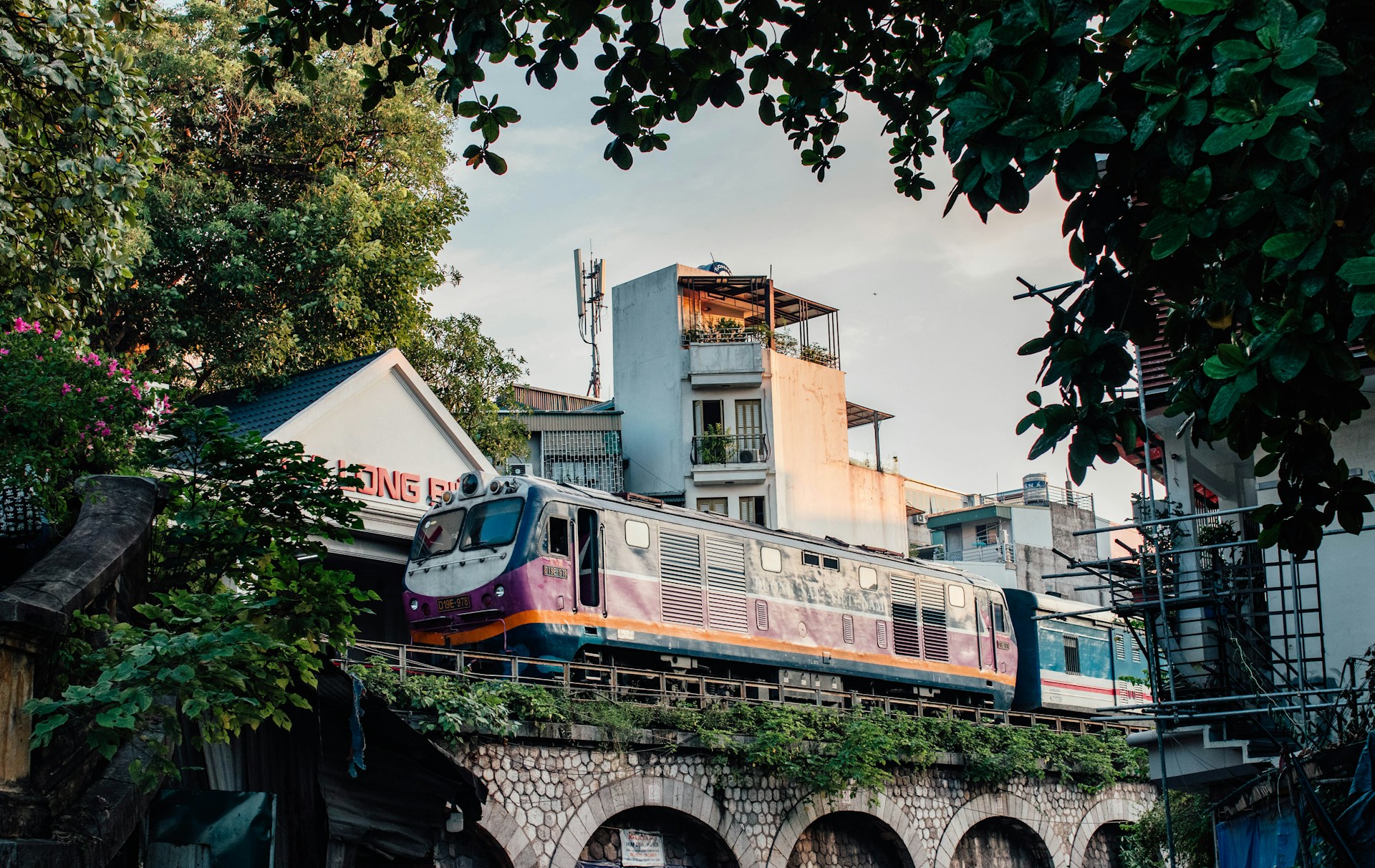
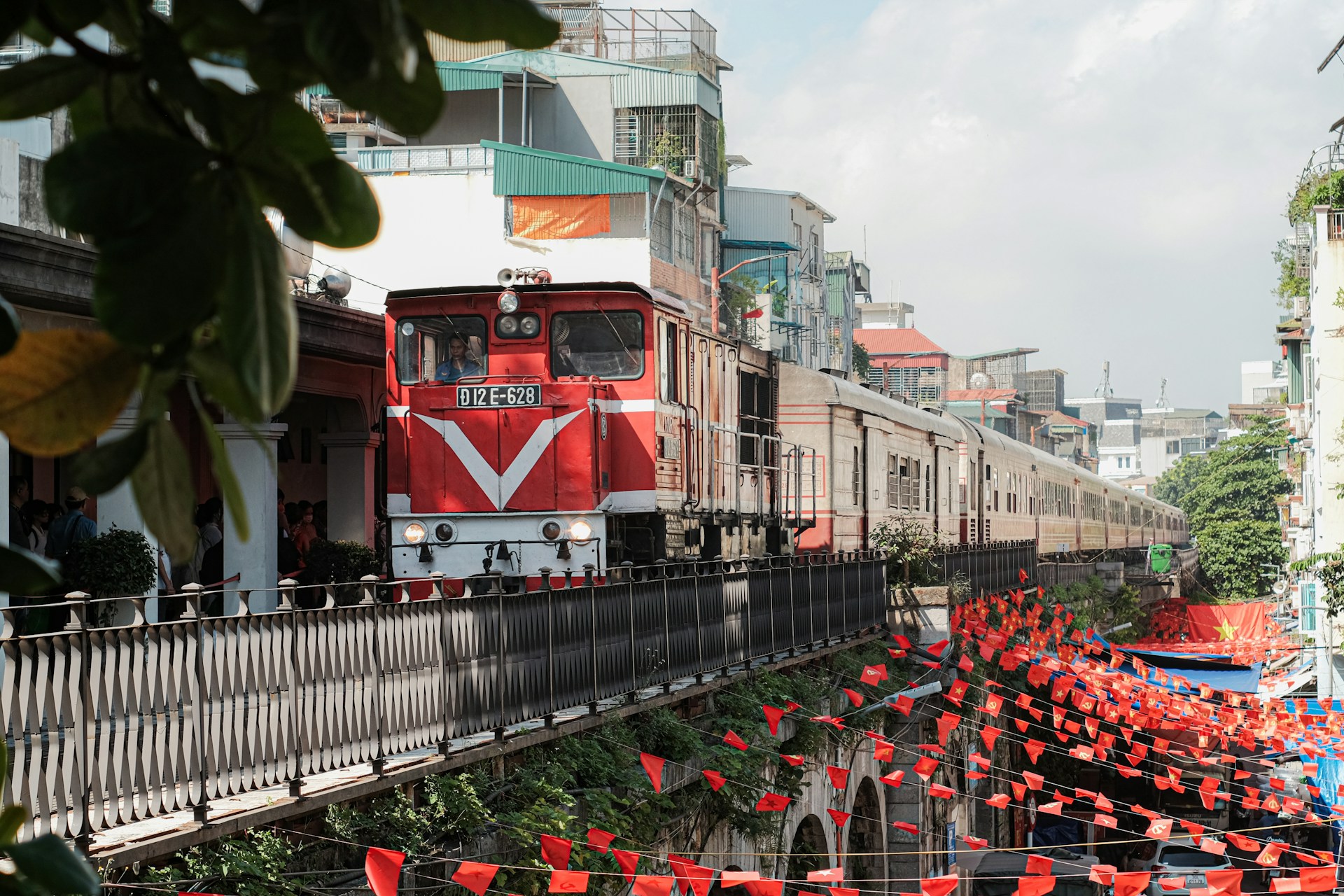
Hanoi is located in the center of northern Vietnam and plays a vital role in the country’s transportation network. The city serves as a major hub for road traffic, with national highways and expressways connecting it to neighboring provinces and key economic regions. Its railway system, centered around Hanoi Station on the North–South line, and Noi Bai International Airport significantly enhance domestic and international connectivity. Although no major river runs through the city center, the Red River supports regional waterway transport for goods and passengers. Thanks to its strategic location and diverse transport infrastructure, Hanoi has favorable conditions for economic and tourism development.
Image of Hanoi city’s location on Vietnam map
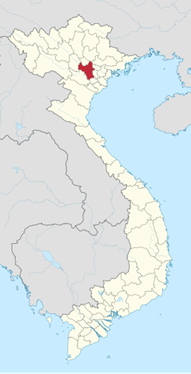
Source: Wikipedia
Infrastructure
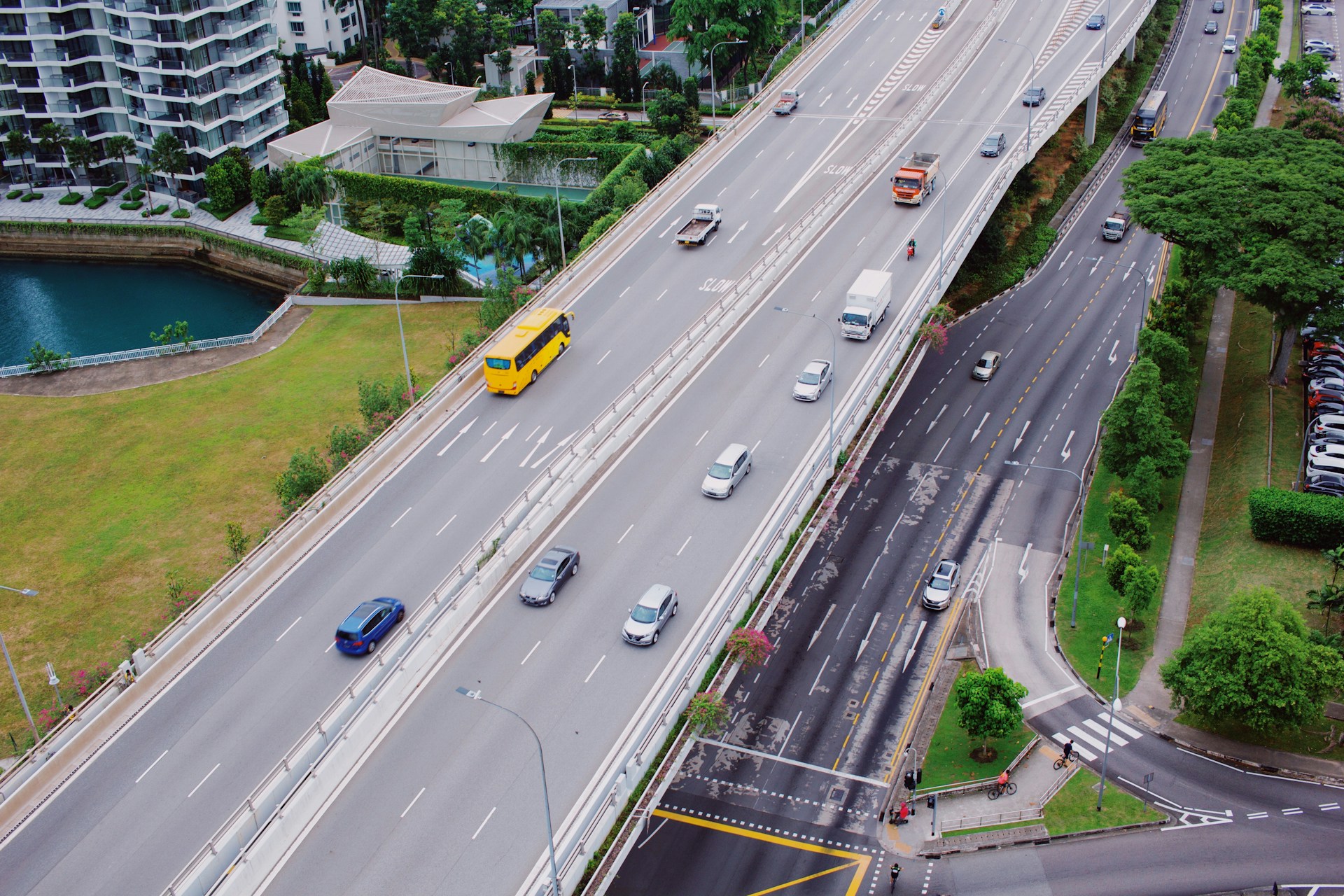
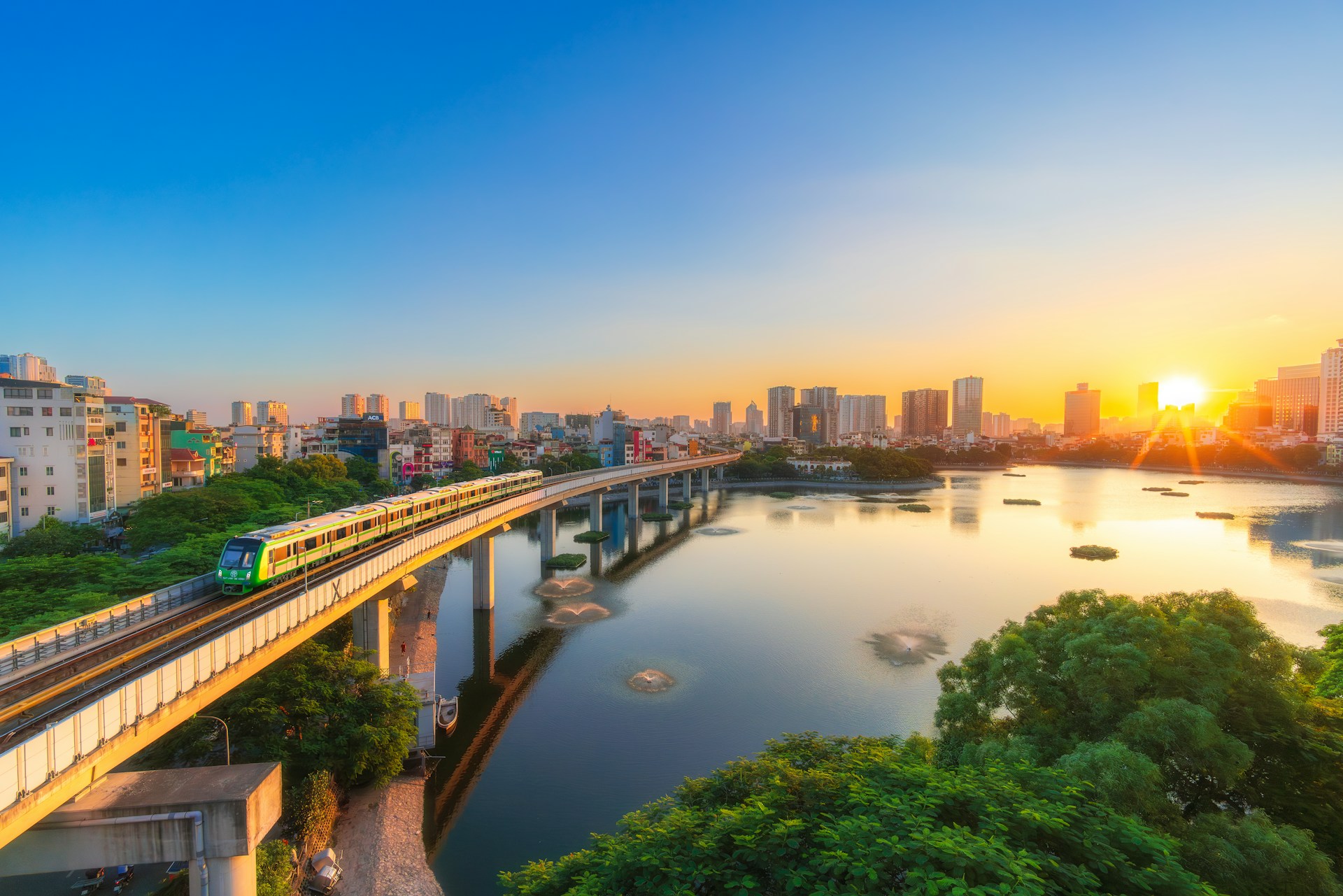
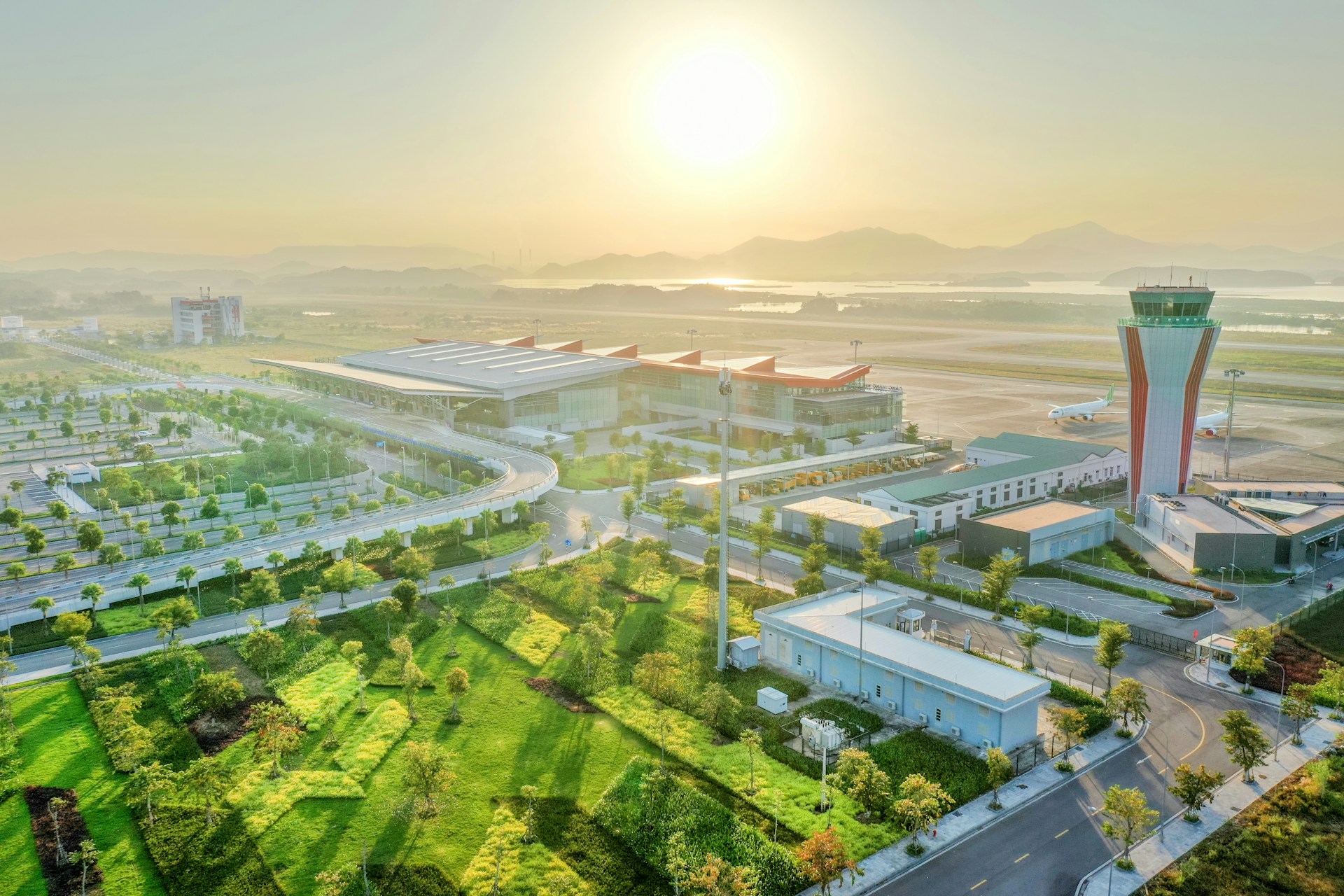
Hanoi is undergoing a major transformation through extensive infrastructure upgrades aimed at supporting its rapid urbanization and economic development. In 2022, Hanoi ranks 5th among the provinces and cities with the best infrastructure in Vietnam[1]. The city serves as a critical transportation hub in northern Vietnam, with a growing network of expressways, including the Noi Bai–Lao Cai and Hanoi–Hai Phong routes, and the ongoing development of Ring Road No. 4 to ease congestion. Public transit is being expanded through metro projects, with the Cát Linh–Hà Đông and Nhon–Hà Nội lines already operational, signaling progress toward a more sustainable and efficient urban mobility system. Additionally, Noi Bai International Airport enhances both domestic and global connectivity, reinforcing Hanoi’s role as a regional gateway.
Image of Cat Linh – Ha Dong railway – the first urban railway line in Hanoi
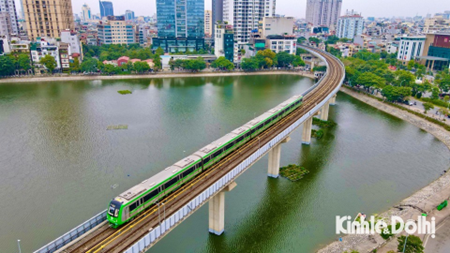
Source: Kinh te & Do thi

Related article























Log in / Register
Continue without an account
Log in / Register
SUBSCRIBE NEWSLETTER