

 English
  日本語
日本語  Tiếng Việt
  简体中文
简体中文  한국어
한국어 When analyzing an expansion opportunity in the retail sector, the story is not just about forecasted revenue or population density.

16Apr2026
Latest News & Report
Comments: No Comments.
Quick summary of the location
|
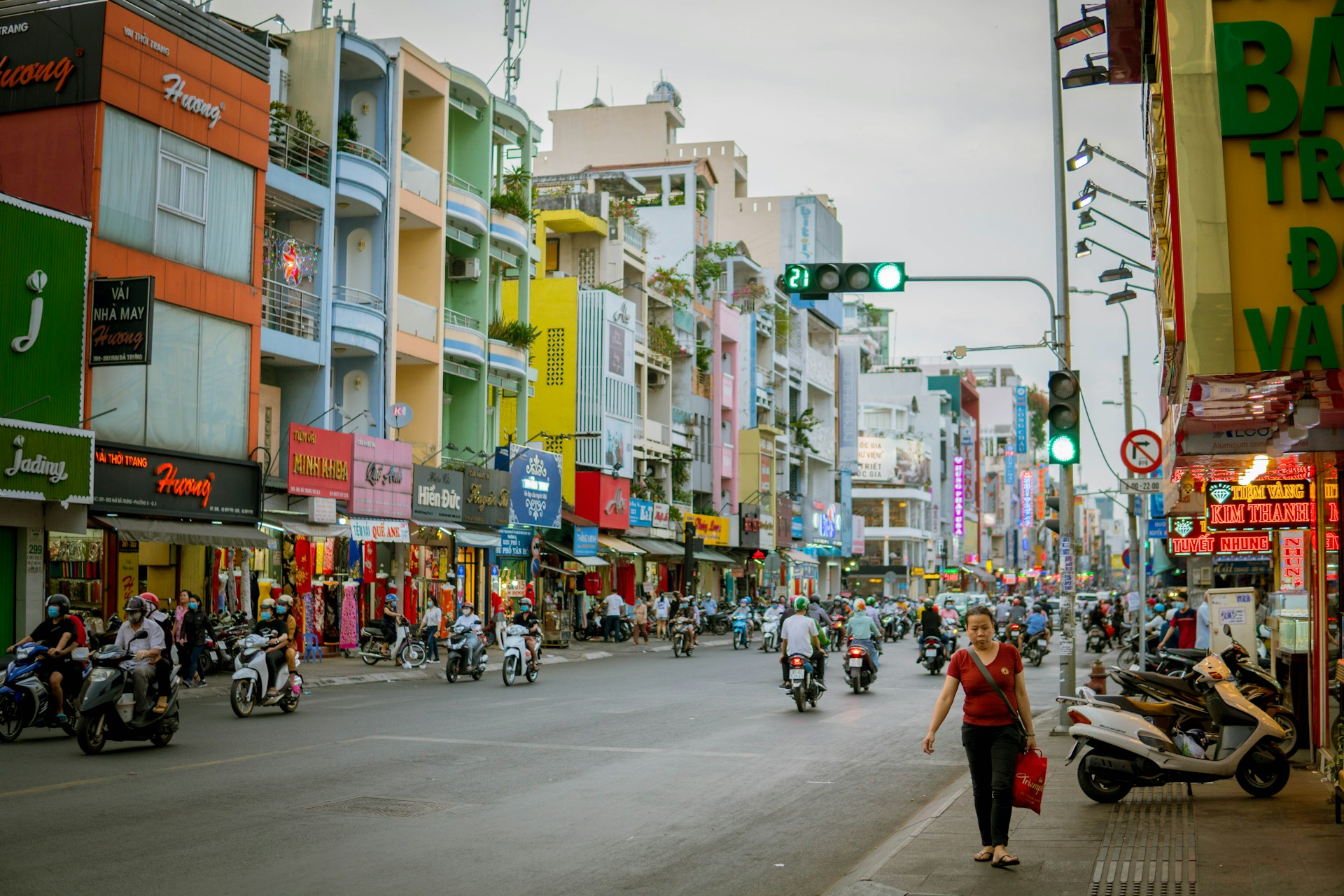
I was standing on a familiar street in the center of Hanoi on a late afternoon.
It’s not rush hour, but the flow of people doesn’t stop moving. Motorcycles creep through small gaps. Pedestrians walk quickly, almost without stopping. Nearby is a large market – the kind where you don’t need to look at a map to know where it is.
This is not a place where you can “go shopping”. This is where things happen fast.
I try to imagine: if a supermarket opened here, what would it look like?
A bright, cool, air-conditioned space – the complete opposite of the cramped and hot outside. A place where you can walk in, breathe slowly, and pick out items for a few minutes.
Sounds reasonable.
But the longer I stood, the more I realized: the question is not “should it be opened?”
It’s “open to whom?”
The area has a very high population density – that’s almost visible to the naked eye. The house is close to the house, the shop is connected to the store. According to the analysis in the report, this is also a group of areas with a high population density compared to the general ground. But “crowded” does not mean “easy to sell”. People here have very different shopping habits. They buy fast. Buy close. And many times, they don’t go to the supermarket.
I walked a few more steps towards the nearby market. The atmosphere changed markedly. Many stalls, many traders, many transactions take place at the same time. This is not the place to go to buy a bottle of water or a carton of milk. This is the place to buy wholesale. Buy in bulk. Buy for work. And the interesting thing is that these same people – small businesses, small eateries, mini-hotels – can be customers of a nearby supermarket. Not to replace the market, but to supplement the non-optimal market: packaged goods, drinks, hygiene products, things that need to be fast, compact, and stable.
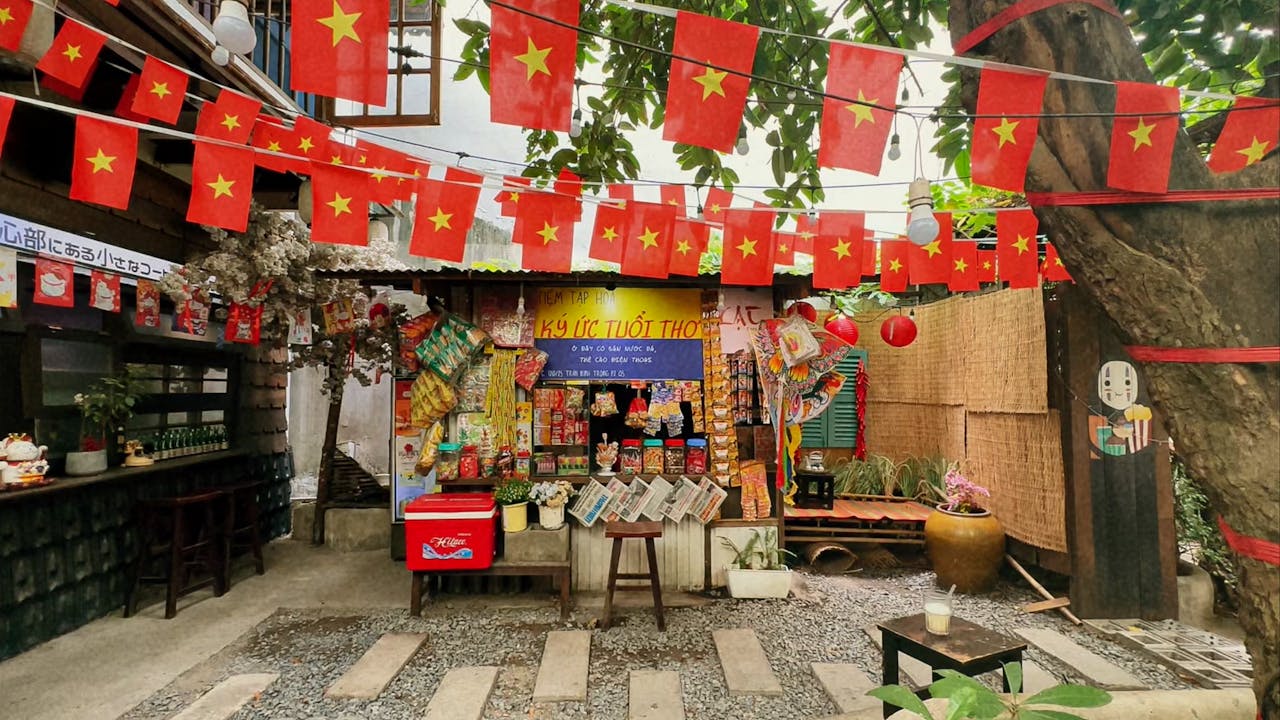
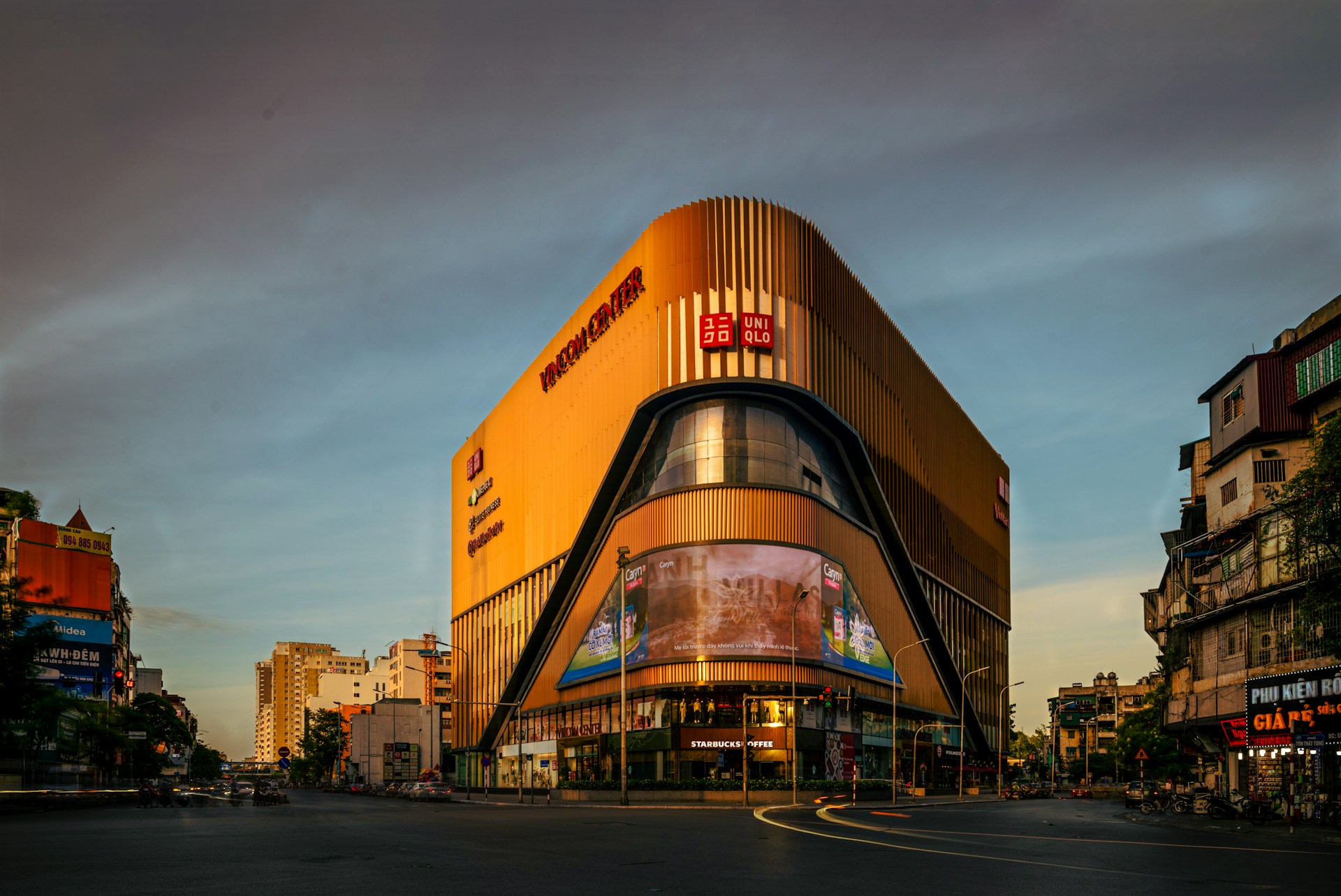
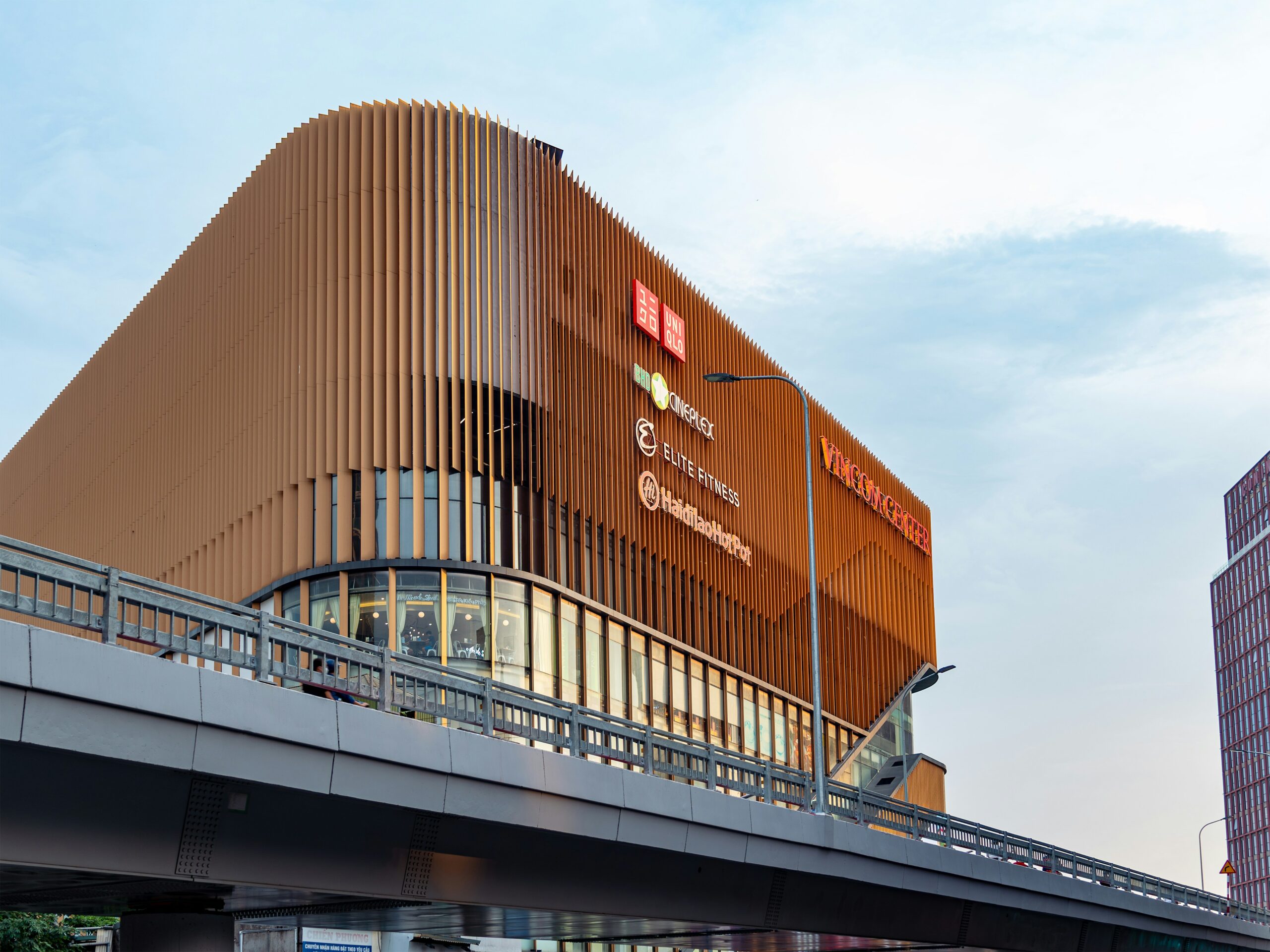
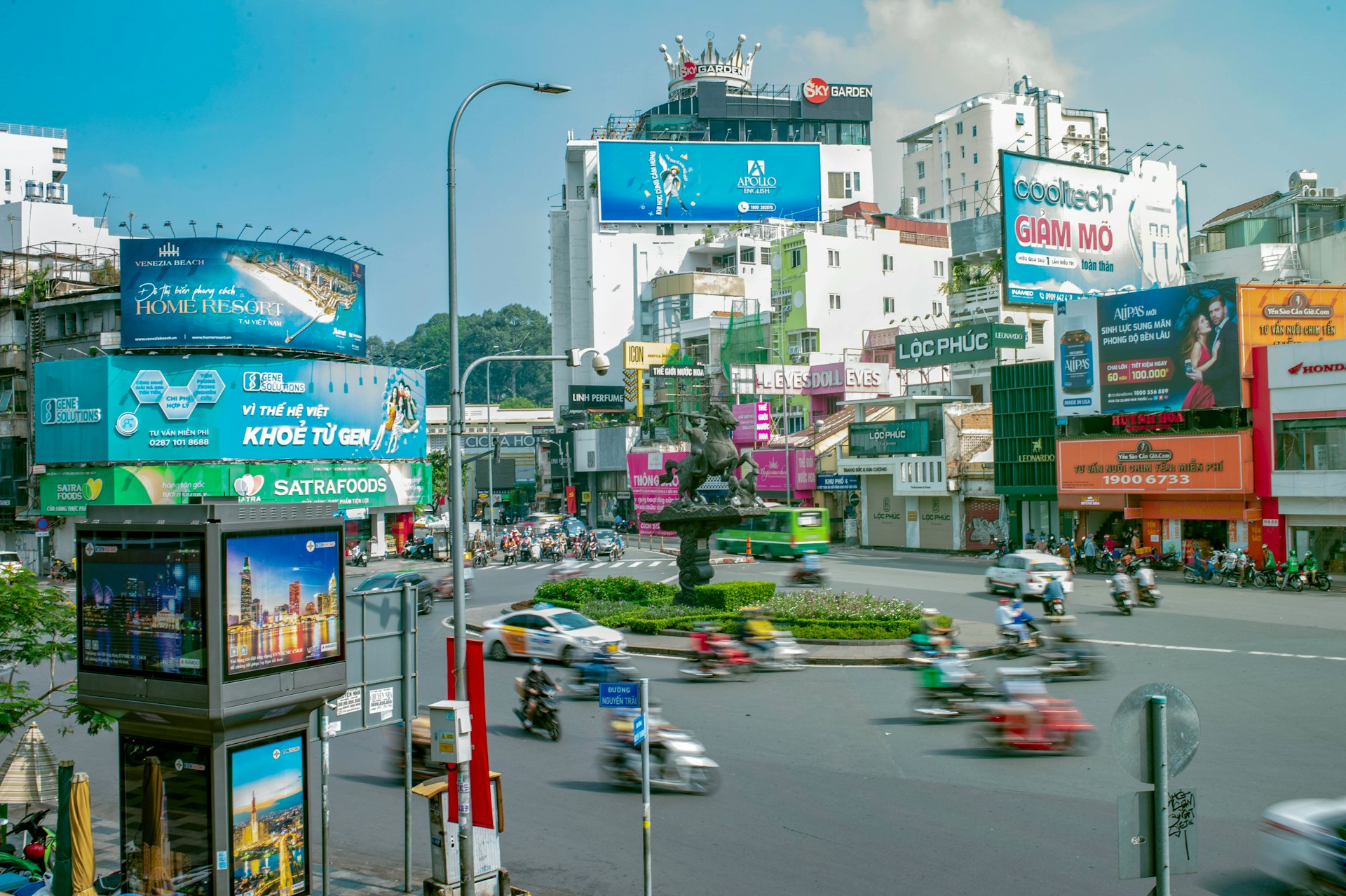
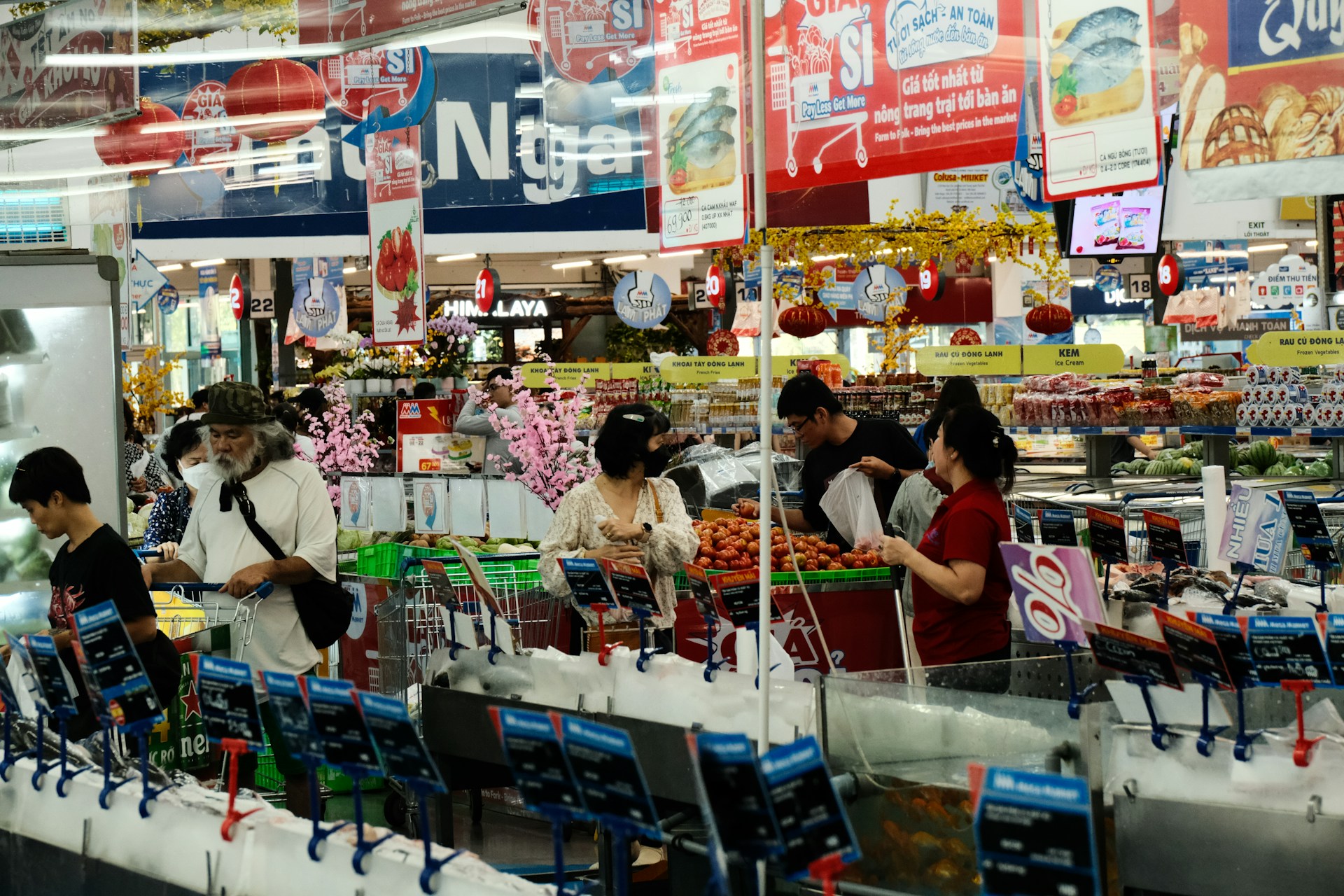
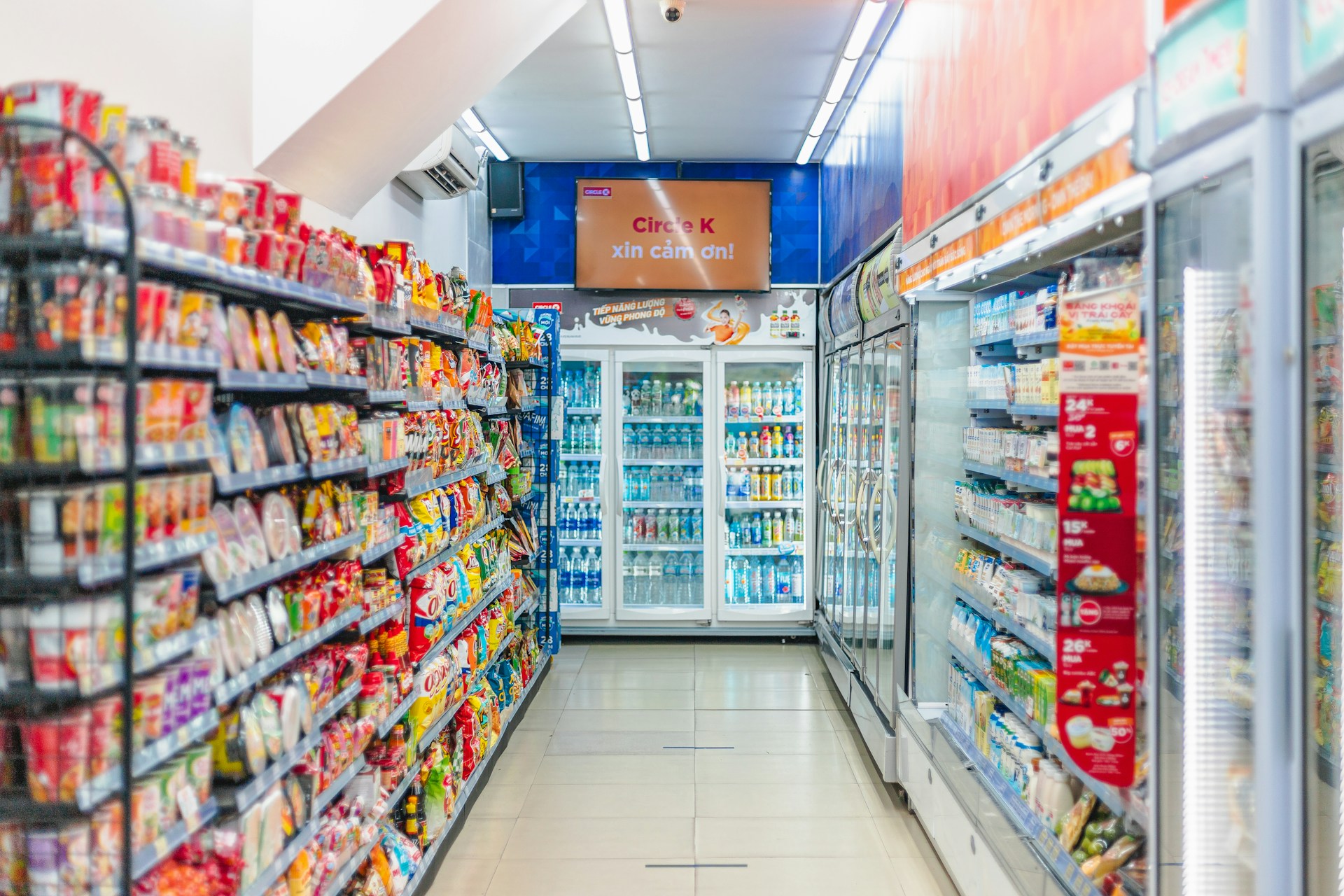
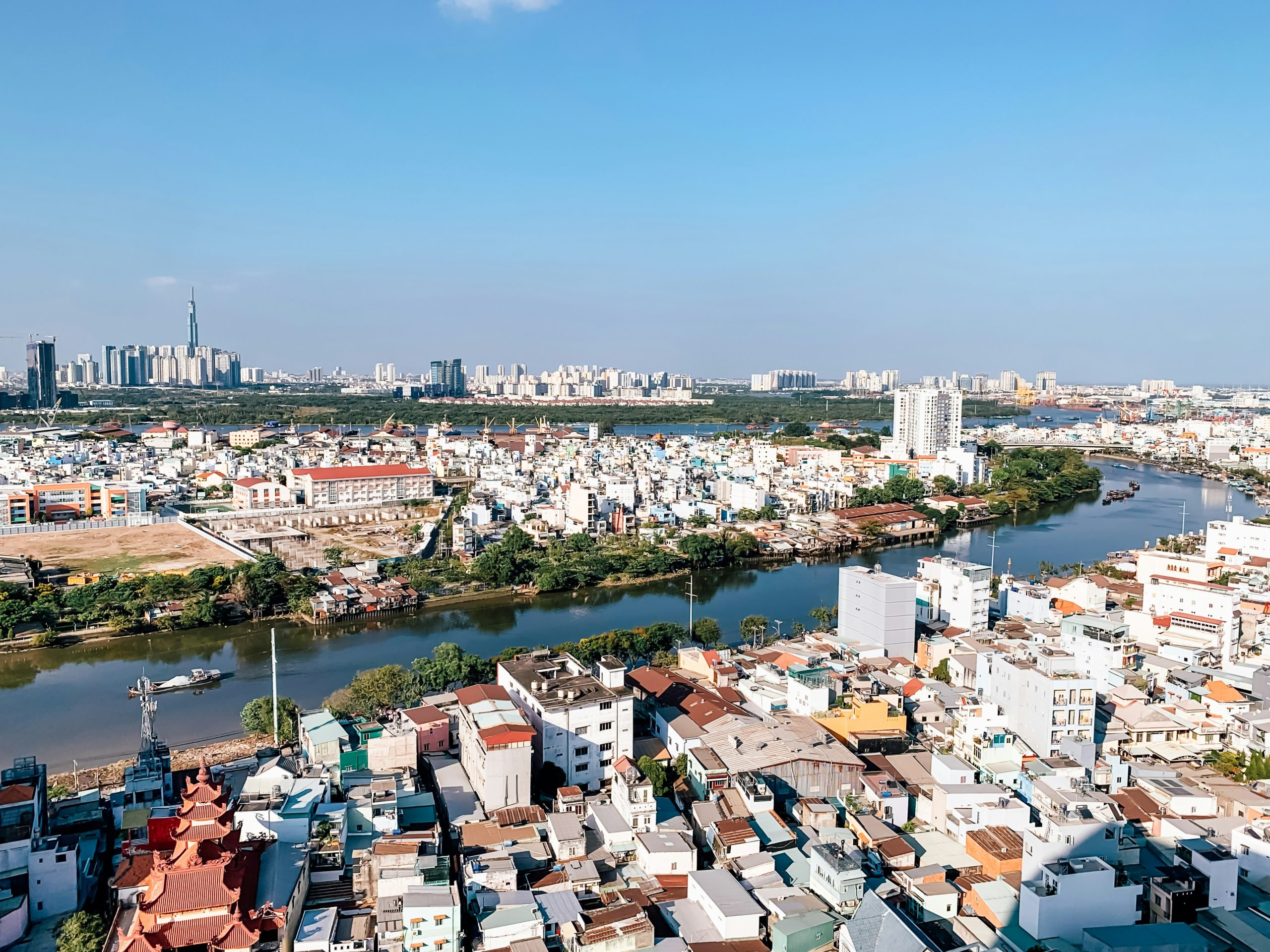
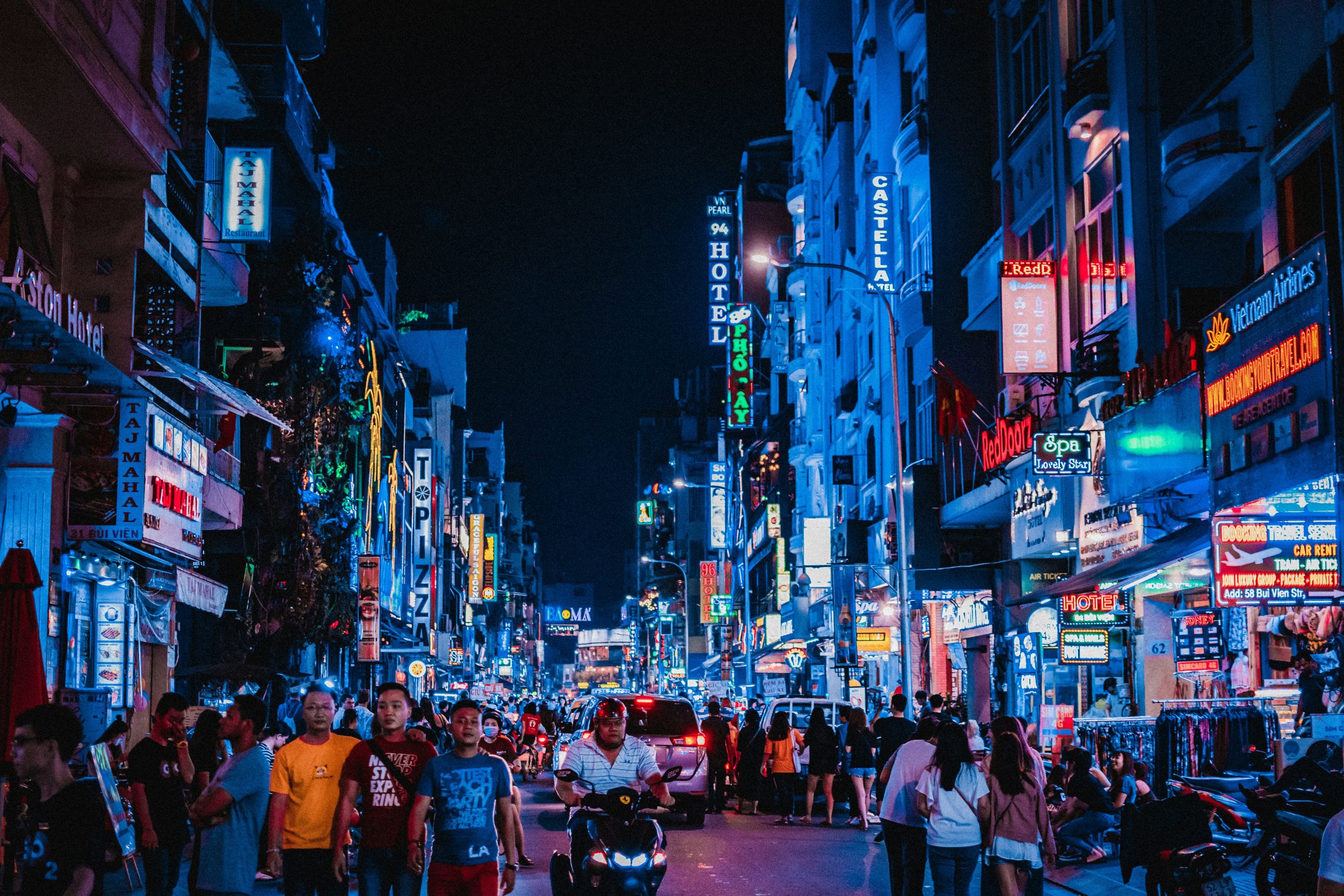
Supermarket fit in a dense urban street – When foot traffic isn’t enough

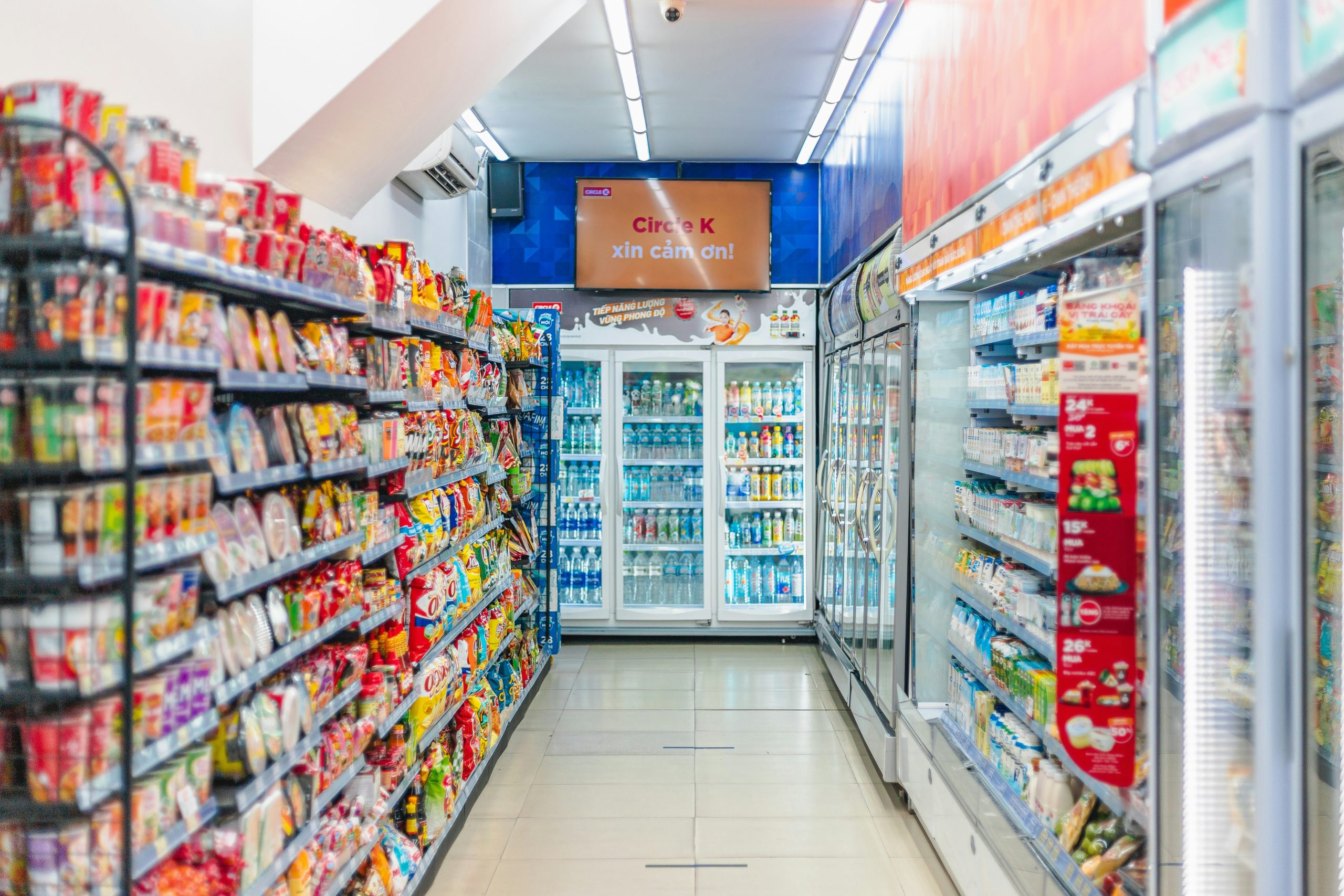
Illustrative photo
I went back to the original position.
A small but noticeable detail: the road is quite narrow. Not so narrow that it’s inaccessible, but enough to make stopping and parking – especially cars – inconvenient. This is also one of the common limitations of this type of central location. This leads to a simple consequence: It’s not an ideal place for big shopping trips.
But in return, pedestrian traffic is very high.
Tourists. Working people. Parents pick up and drop off their children from a nearby school. According to the data, such areas often generate a huge amount of daily travel, leading to the need for fast and convenient shopping.
I began to envision possible “buying moments”:
– A bottle of water while walking in the sun
– An after-school snack
– A few quick stuff for a nearby small bar
Not big. No hassle. But repeat every day.
And then, another factor came into play.
A competitive store – not too far away. In areas like this, the presence of an opponent is almost certain. And then, the problem is no longer “whether there are guests or not, but “how to divide the guests”. If you look at it in the traditional way, this can be a minus. But if you look closely, these stores may not be completely in direct competition.
– One side serves fast passers-by – grab & go.
– One side serves those who have more planning and intentional shopping.
And the line between these two groups, in the central neighborhoods, is actually not clear.
I left that area with a fairly familiar feeling in market research projects:
This is a good location. But not in an “obvious” way.
From a personal perspective, this is just a walk and observation. But in our work at B&Company, such experiences are part of a deeper evaluation process. When analyzing an investment or expansion opportunity in the retail sector, the story is not just about forecasted revenue or population density. Factors such as movement behavior, shopping habits, or even the feeling of standing in a neighborhood – all contribute to explaining why a model may or may not be successful. In Market Entry & Expansion Strategy projects, we often combine data analysis and field observation to better understand not only “is the market big enough”, but also “which model is really suitable for that market”.
If a supermarket opens here, it will probably work well. But not because the area is crowded, but because it properly understands how to serve the people who pass through it every day. There are places where you look at the potential and see the potential. But there are also places where you need to stand back for a moment — long enough — to understand where that potential lies.
And more importantly, it’s not for everyone.
Read more
* If you wish to quote any information from this article, please kindly cite the source along with the link to the original article to respect copyright.
| B&Company
The first Japanese company specializing in market research in Vietnam since 2008. We provide a wide range of services including industry reports, industry interviews, consumer surveys, business matching. Additionally, we have recently developed a database of over 900,000 companies in Vietnam, which can be used to search for partners and analyze the market. Please do not hesitate to contact us if you have any queries. info@b-company.jp + (84) 28 3910 3913 |
Related article






















Log in / Register
SUBSCRIBE NEWSLETTER