
 English
 日本語
 Tiếng Việt
 简体中文
 한국어
02Nov2026
Latest News & Report
Comments: No Comments.
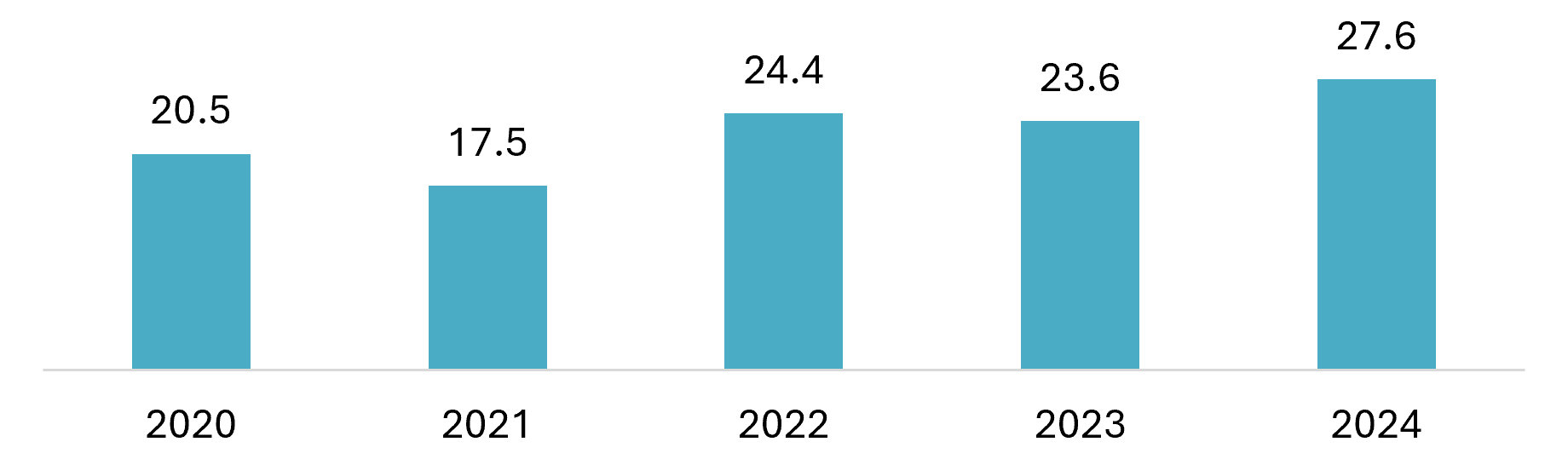
After the downturn caused by the COVID-19 pandemic from 2020 to 2021, the foodservice market recovered to 27.6 billion USD in 2024. Demand is being driven by the normalization of dining out, the revival of tourism, the expansion of malls and chain stores, and the entrenched habit of delivery.
Basic Statistics
| Indicators | Unit | 2020 | 2021 | 2022 | 2023 | 2024 |
| Number of Restaurant stores | Thousand stores | 327 | 334 | 339 | 317 | 323 |
| Number of Coffee Chain stores | Thousand stores | 1.0 | 1.1 | 1.5 | 1.7 | 1.9 |
| Number of Food Chain stores | Thousand stores | 0.8 | 1.4 | 1.5 | 1.5 | 1.6 |
| Number of Milk Tea Chain stores | Thousand Stores | 0.5 | 0.4 | 0.4 | 0.4 | 0.3 |
| Foodservice & Accommodation FDI Investment | Millions USD | 355 | 171 | 14 | 89 | 124 |
Source: National Statistics Office, Q&Me
Regulations
Since 2007, foreign investors have been allowed to set up wholly foreign-owned enterprises in the foodservice industry.
The foodservice industry is regulated by multiple agencies. The Ministry of Industry and Trade (MOIT) oversees commercial activities and is responsible for industry development strategies. The Ministry of Health (MOH) is in charge of food safety standards, while the Ministry of Agriculture and Rural Development (MARD) regulates the quality of agricultural inputs and food raw materials. For foreign investment approvals, the Ministry of Finance (MOF) and provincial-level People’s Committees hold the authority to grant investment licenses.
Market Overview
The foodservice market is recovering from the COVID shock and growing more robustly. Market size decreased from 20.5 billion USD in 2020 to 17.5 billion USD in 2021. Lockdowns, border closures, and capacity restrictions curtailed dine-in services and tourism, though delivery and takeout partially mitigated the impact. In 2022, the market reopened, expanding by 39% to 24.4 billion USD, driven by returning demand and travelers. 2023 saw a moderate adjustment as inflation tightened consumer spending. The pandemic also led to the exit of smaller independent operators. In 2024, supported by a normalized market and stronger operators, the rapid expansion of chain formats in modern retail malls, and entrenched delivery habits, the industry reached a record high of 27.6 billion USD.
F&B Service Industry Sales in Vietnam
Unit: Billion USD
Source: iPOS
Food and beverage spending accounts for a significant 20-35% of consumer expenditures[1]. Vietnam possesses a rich culinary heritage, and increasing prosperity is driving daily development. Each region- North, Central, and South has its distinct flavors, and expanding domestic travel is fueling new demand as businesses open outlets in different areas[2].
Domestic tourists exceeded 100 million in 2024. This tourism demand undoubtedly provides a significant boost to high-end restaurants and street food businesses. However, for typical establishments, demand primarily comes from residents rather than tourists. The main drivers of market development are rising population prosperity and the accompanying changes in lifestyle habits.
Additionally, the foodservice industry is supported by abundant agricultural production (rice, coffee, seafood, spices, etc.). To supply large quantities of fresh, high-quality ingredients, efforts are underway to strengthen traditional wholesale distribution networks, implement direct sourcing known as “farm-to-table,” and advance cold chain logistics. However, full-scale development in these areas is still ahead.
Major Companies
Both domestic and international chain brands are expanding. In coffee and tea, domestic brands like Highlands Coffee, Phuc Long, and Trung Nguyen lead, accelerated by investments from major players like Jollibee and Masan. In the fast-food sector, international brands such as Lotteria, Jollibee, KFC, and Pizza Hut hold strong positions but face rising costs and intense competition. Golden Gate, operating dozens of brands, has long been the industry leader. Its casual dining chains like Gogi House and Kichi-Kichi operate at a scale rivaling international brands. Chinese brand Mixue, representing a new wave of Chinese beverage brands, has disrupted market norms by opening over 1,000 stores at an incredible pace (perhaps common in China) using low prices and franchising as its weapons.
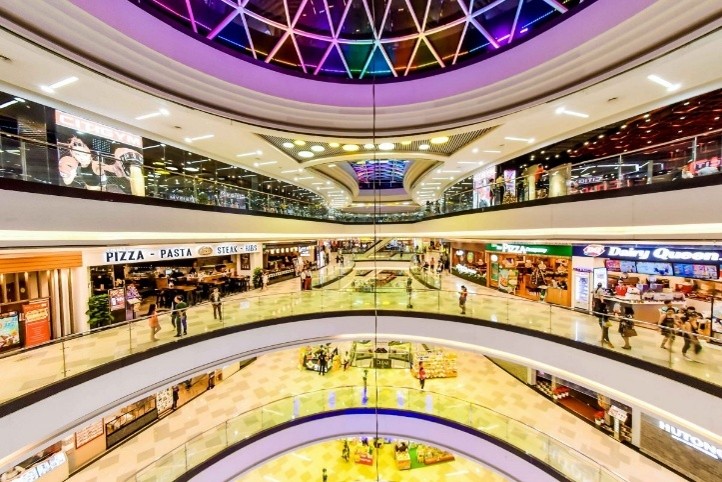
Ho Chi Minh City Van Hanh Mall Food Court Floor
Source: Cafef
Key players in the Foodservice sector
| No | Field | Brand | Year of Entry | Country | Stores Number | Overview |
| 1 | Beverage | Mixue | 2018 | China | 1,304 | An ice cream shop characterized by ultra-low prices and franchise expansion |
| 2 | Highlands Coffee | 2002 | Vietnam | 955 | A coffee chain founded by Vietnamese American David Thai, currently owned by SuperFoods) | |
| 3 | Trung Nguyen | 1996 | Vietnam | 464 | A leading Vietnamese coffee group originating in the central region. Engages in coffee product sales, café operations, and other businesses. | |
| 4 | Phuc Long | 1968 | Vietnam | 237 | A long-established tea and coffee brand originating from Lam Dong. Masan Group holds an 85% stake. | |
| 5 | Fast Food | Lotteria | 1998 | South Korea | 222 | One of the largest chains by number of stores |
| 6 | Jolibee | 2005 | Philippines | 213 | Famous for fried chicken and sweet spaghetti | |
| 7 | KFC | 1997 | United States | 172 | Large number of stores | |
| 8 | Pizza Hut | 2006 | United States | 118 | Yum! Brands subsidiary | |
| 9 | BBQ/Hot Pot | GogiHouse | 2013 | Vietnam | 146 | A Korean-style BBQ restaurant in Golden Gate. Mid-range casual dining. |
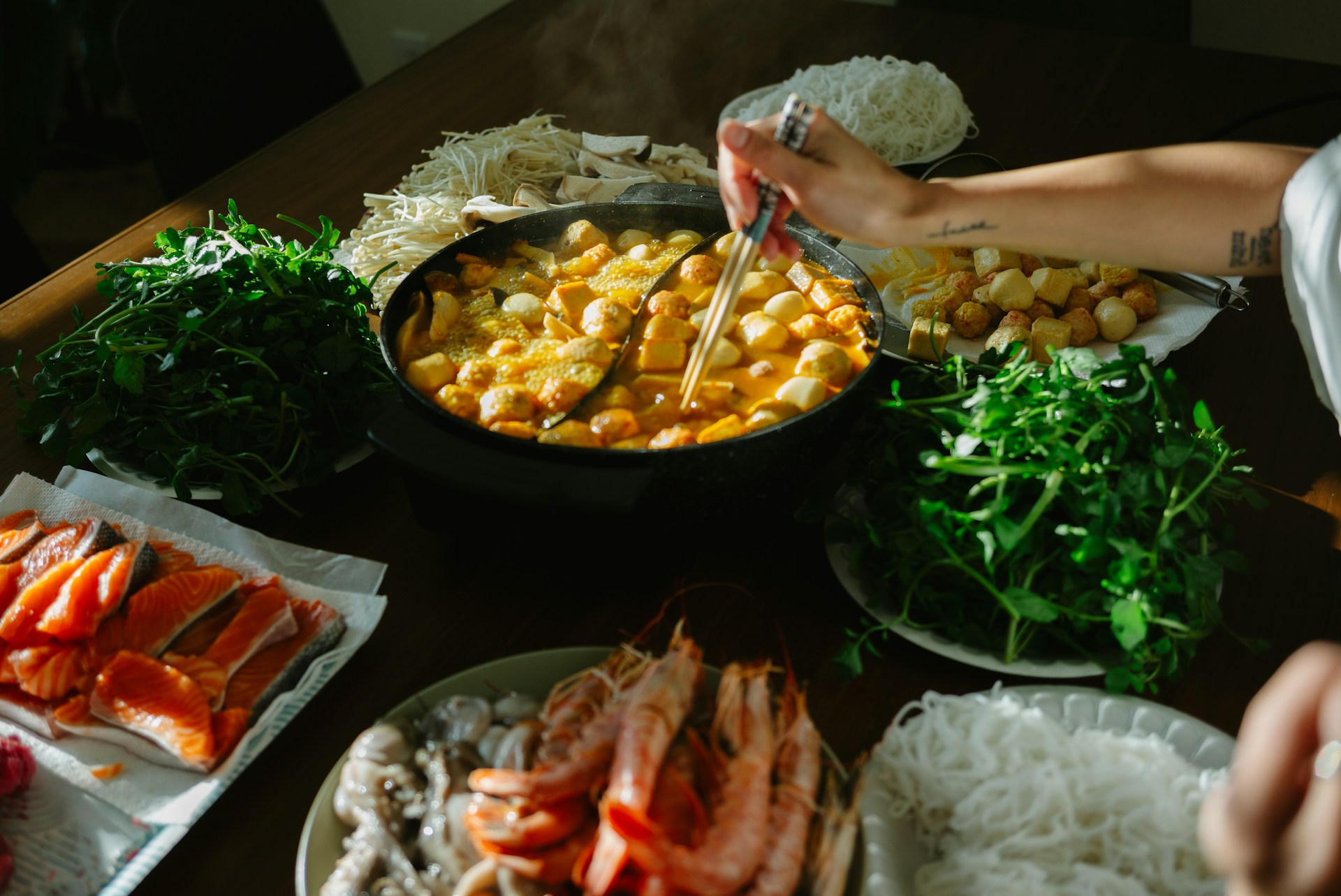
| 10 | Kichi-Kichi | 2009 | Vietnam | 116 | Golden Gate’s rotating (Kaiten-style) hot pot restaurant, a pioneer of this format |
Source: B&Company Analysis
Market Trends
The foodservice market is large, attracts many young users, and changes rapidly. The growing middle class (projected to reach 40% of the population by 2030) is expanding consumption and shaping new preferences. Consumers embrace foreign cuisines and ingredients along with modern retail channels, while also valuing local flavors and traditions. Combined with strong economic growth and greater market access through FTAs, the foodservice industry is expected to have a bright outlook.
– Health Consciousness: Demand for fresh and organic food and beverages is increasing. Plant-based alternatives and nutritional foods are emerging. Awareness of health benefits is also driving increased consumption of dairy products and fruits.
– Convenience & Modern Retail: Urbanization and busy lifestyles are driving demand for convenience and ready-to-eat meals. Consumers in cities like Ho Chi Minh City and Hanoi are increasingly using food delivery services (GrabFood, ShopeeFood), convenience stores, and supermarkets. There are approximately 1,300 supermarkets nationwide.
– Experience: Dining out is a vital part of social life. As incomes rise, experiential dining has gained popularity, with consumers seeking not just delicious food but also ambiance and novelty. Cafes, bubble tea shops, and fast-casual restaurants are proliferating, appealing to young urbanites. Surveys from 2023-2024 indicate more people dining out on weekends, with a growing emphasis on quality and value. While Vietnam has a vibrant street food culture, there is a gradual shift towards cleaner, branded establishments.
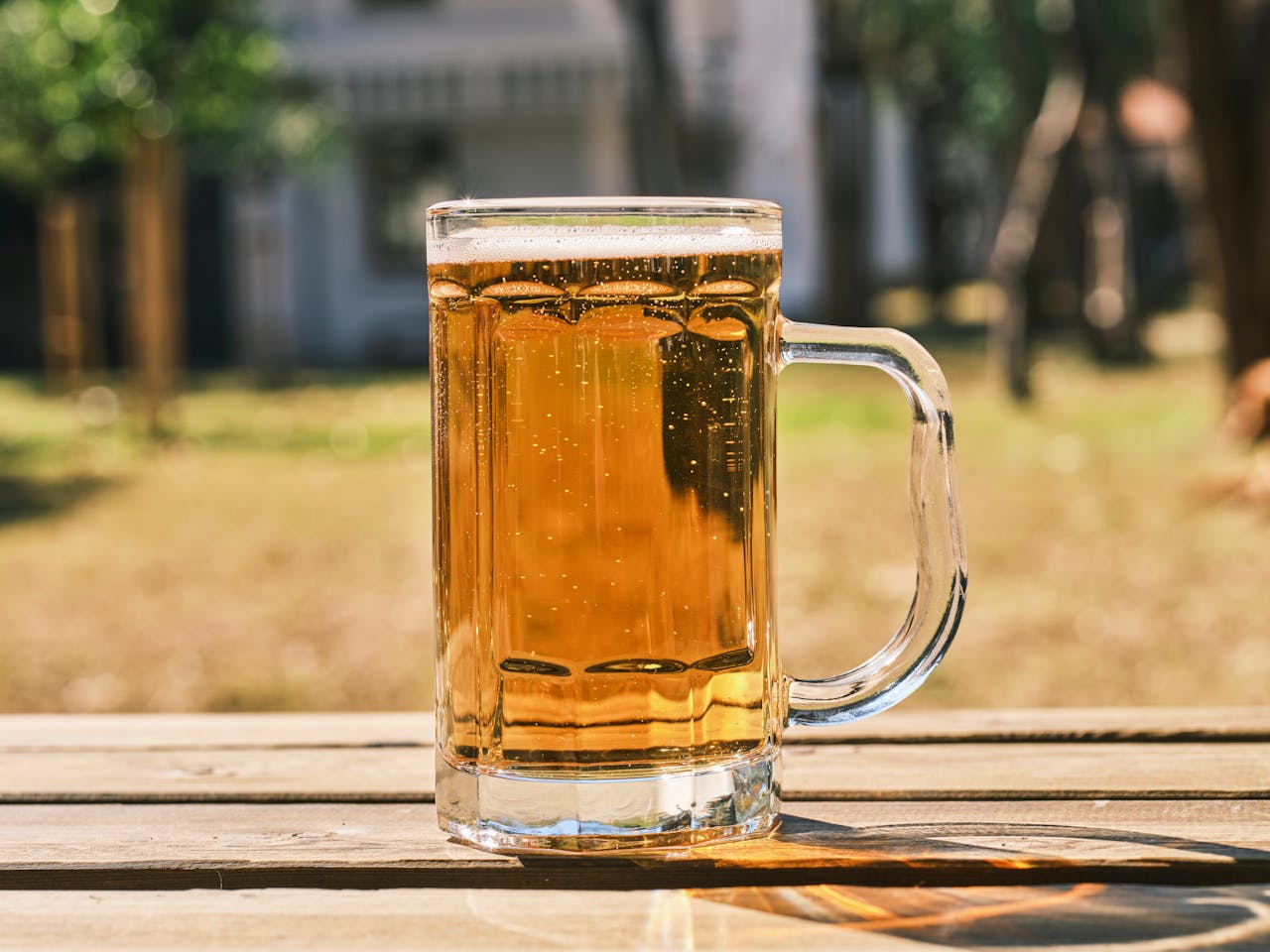
– Beverage Preferences: The beverage segment is vast and continues to evolve. Vietnam has the highest per capita beer consumption in Asia, and beer (especially domestic lager) remains the most popular alcoholic beverage. A premiumization trend is also evident, with demand for craft beer, wine, and spirits rising, particularly among the middle class.
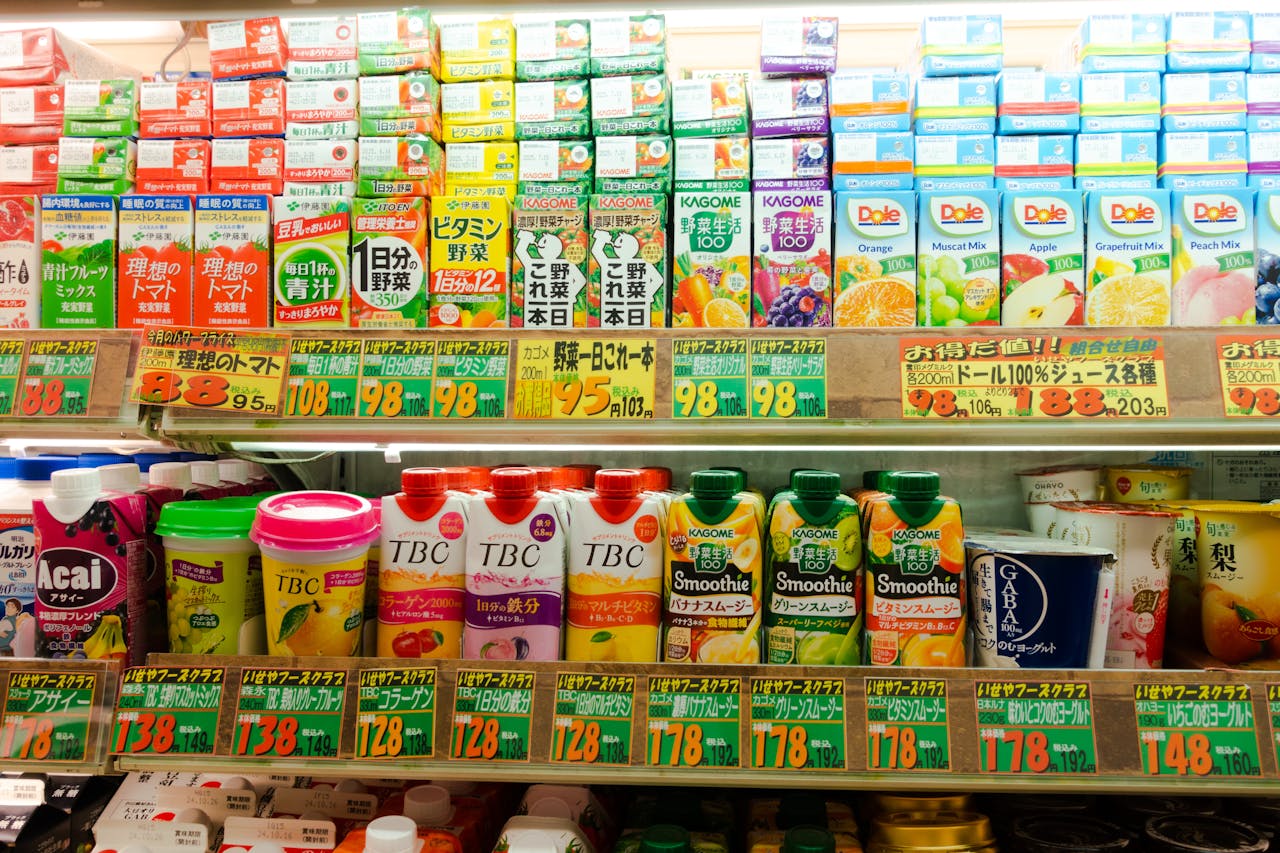
Meanwhile, there are signs of a shift away from alcohol. In soft drinks, mineral water, carbonated beverages, energy drinks, and ready-to-drink tea and coffee are selling well.
Read more
Choosing the Optimal F&B Location in Hanoi: Strategy in a new market context