

 English
  日本語
日本語  Tiếng Việt
  简体中文
简体中文  한국어
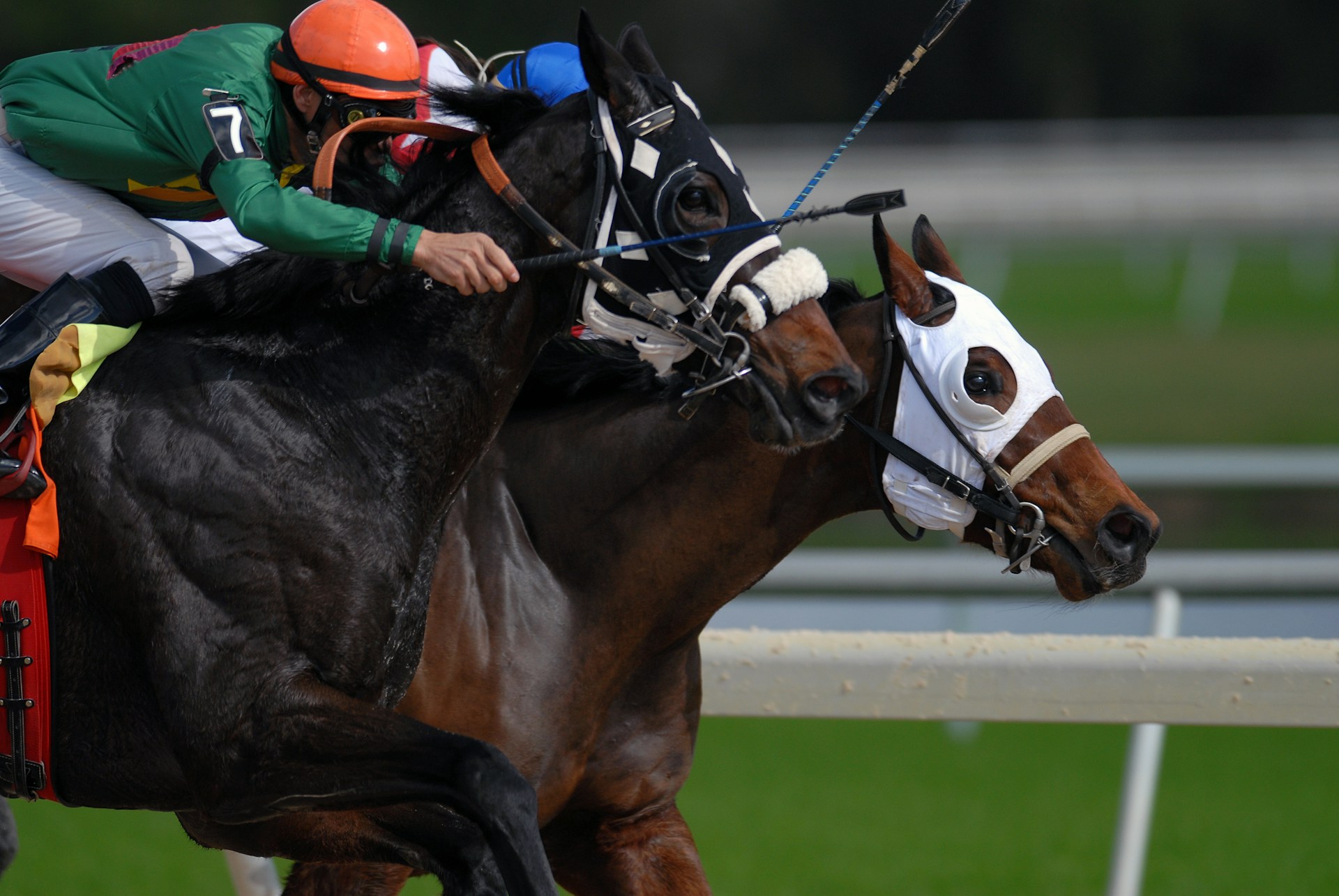
한국어 The horse racing industry has started to move forward in some areas, but in reality, there are still no official racecourses with gambling.
07Jul2025
Highlight content / Industry Reviews / Latest News & Report
Comments: No Comments.
Seven years have passed since the Vietnamese government legalized sports betting in 2017. The horse racing industry has started to move forward in some areas, but the reality is that there are still no official racecourses with gambling. Large-scale projects under development in various regions are being held up by the “invisible barriers” of the establishment of legal systems and the complexity of administrative procedures.
Only two establishments are open, neither of which has a gambling license
Currently, there are only two horse racing facilities operating in the country: Dai Nam Racecourse (Binh Duong Province), which opened in 2017, and Vinpearl Equestrian Academy (Hai Phong City), which opened in 2024. Both are operated only as events and sports, without full-scale gambling, and they have yet to obtain licenses for gambling operations. In addition, development plans for large-scale horse racing courses in Soc Son District, Hanoi, Lam Dong Province, and Vinh Phuc Province are also progressing slowly due to delays in obtaining licenses and administrative procedures.
[Figure 1] Major large-scale equestrian-related projects
| Racecourse name | Gambling License | Location | Area (ha) | Year of operation | investor | Investment amount |
| Vinpearl Horse Academy | × | Hai Phong | 30 | 2024 | Vin Group | N/A |
| Dai Nam Racecourse | Applying | Binh Duong | 60 | 2017 | Dai Nam | 80 million USD |
| Soc Son Racecourse | Applying | Hanoi | 125 | Under Construction
(2019~) |
Charm VIT
(South Korea) |
420 million USD |
| Thien Ma Madagui | Applying | Lam Dong | 70 | Under Construction
(2011~) |
Thien Ma Madagui Racing | 64 million USD |
| Vinh Phuc Complex | Applying | Vinh Phuc | 200 | Planning Stage | GOMAX I&D
(South Korea) |
1.5 billion USD |
Even though it has been legalized, there are still many obstacles to its operation
The foundation for the legalization of gambling in Vietnam was established with the enforcement of Decree No. 06/2017/ND-CP in 2017. This decree officially legalized horse racing, dog racing, and football betting as part of a broader policy aimed at promoting the tourism and entertainment industries.
In fact, according to Statista, gambling revenue in Vietnam is expected to reach 3.8 billion USD in 2024, making it a growth area that cannot be ignored by the national finances [1]. The Soc Son Racecourse project being promoted by Hanoi City is expected to generate tax revenue of up to 250 million USD per year [2]. In addition, a complex development including a casino, resort, and luxury hotel is planned adjacent to the racecourse, and it is positioned as the core of regional development rather than a standalone facility.
The market has great future potential, but foreign capital entry remains difficult
Despite the attractiveness of the market, there is still no precedent for a foreign investor to obtain a gambling license. The main reasons for this are the Vietnamese government’s cautious stance and the complexity of legal and administrative procedures. In addition, horse racing operations require the acquisition of vast swaths of land, which requires a huge amount of time and coordination for land use rights acquisition, customs procedures, construction approvals, etc. It is also difficult for foreign companies to acquire land on their own, so the presence of a reliable local partner is essential.
Equestrianism is also being promoted, and cultural infrastructure is being developed
In addition to horse racing, there are currently riding and training facilities in operation in 16 provinces and cities in Vietnam, with the largest number of horses in Hanoi and the Thien Ma Da Nguy Racecourse in Lam Dong Province [3]. In response to these trends, preparations are underway to establish an equestrian federation, and it is expected that a horse racing-related industry that integrates sports, tourism, and culture will develop.
Related article










Log in / Register
Continue without an account
Log in / Register
SUBSCRIBE NEWSLETTER