

 English
  日本語
日本語  Tiếng Việt
  简体中文
简体中文  한국어
한국어 Vietnam has emerged as a top destination for foreign investors, thanks to its stable political environment, strategic trade agreements, and so on
23Apr2025
Latest News & Report / Vietnam Briefing
Comments: No Comments.
Vietnam has rapidly emerged as a top destination for foreign investors, thanks to its stable political environment, strong economic growth, strategic trade agreements, and competitive workforce. Major cities like Ho Chi Minh City and Hanoi are transforming into thriving economic hubs, offering distinct advantages for businesses expanding their operations across Southeast Asia.
Vietnam economic situation in recent years
In 2024, Vietnam’s GDP is estimated to grow by approximately 7% compared to 2023, reaching 476 billion USD. Over a decade from 2014 to 2024, Vietnam’s economy has experienced substantial economic expansion, achieving a CAGR of 9%. The services sector continues to dominate, accounting for 42% of the GDP, followed by the industrial and agricultural sectors at around 38% and 12%, respectively. The economic structure is gradually shifting, with the country increasingly investing in the growth of the services and industrial sectors, while the share of agriculture has significantly declined.
Vietnam GDP from 2014 to 2024 by sector

Source: General Statistics Office of Vietnam
In addition, Vietnam is gradually shifting its focus toward investing in and expanding several key industries, such as semiconductors, energy, and construction. These sectors are being supported by large-scale projects, with investments reaching into the billions of dollars:
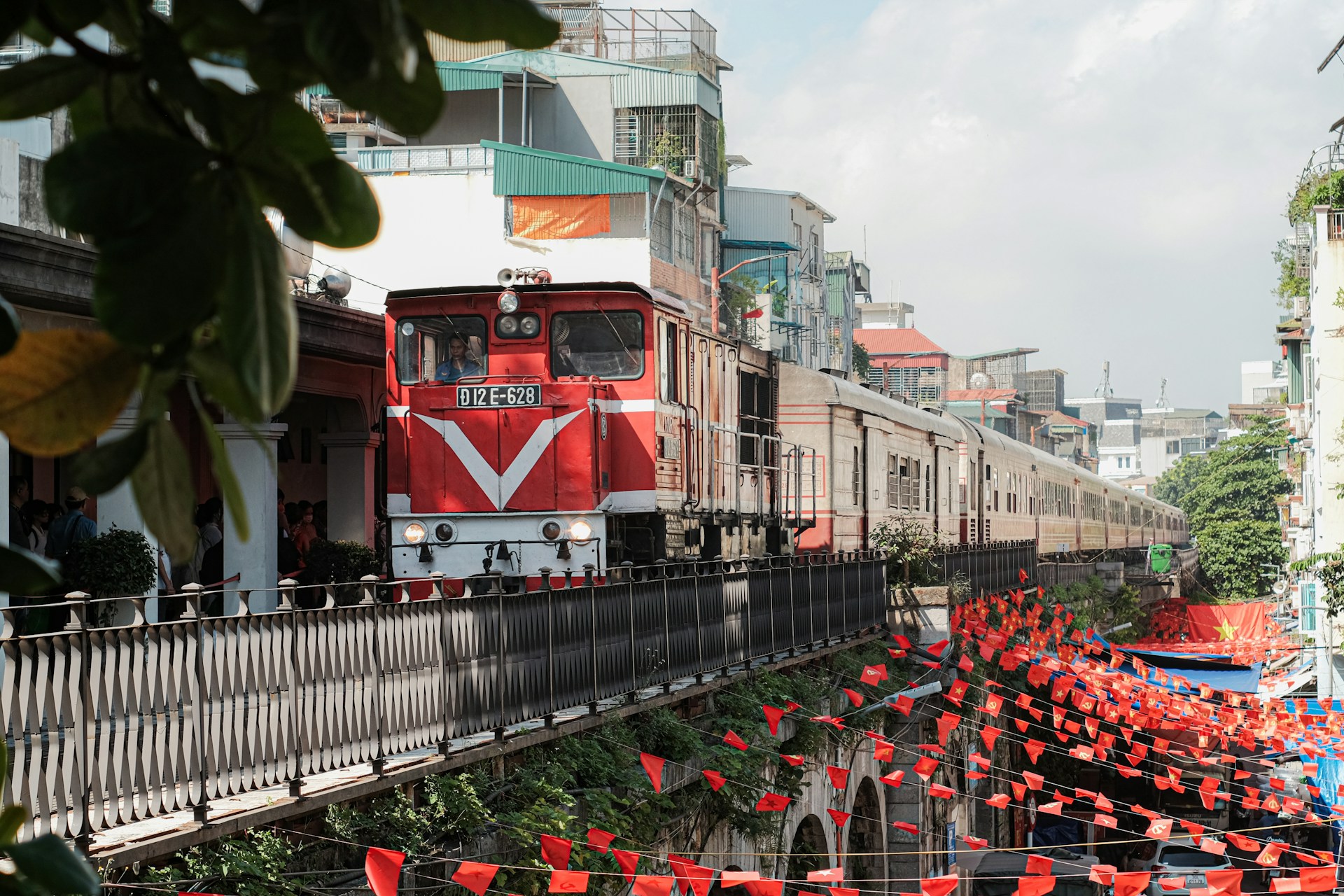
– North–South High-Speed Railway: Connect Hanoi and Ho Chi Minh City with a high-speed rail line designed for speeds up to 350 km/h. The estimated cost is approximately 67 billion USD, with construction expected to commence by 2030 and completion targeted for 2035[1].
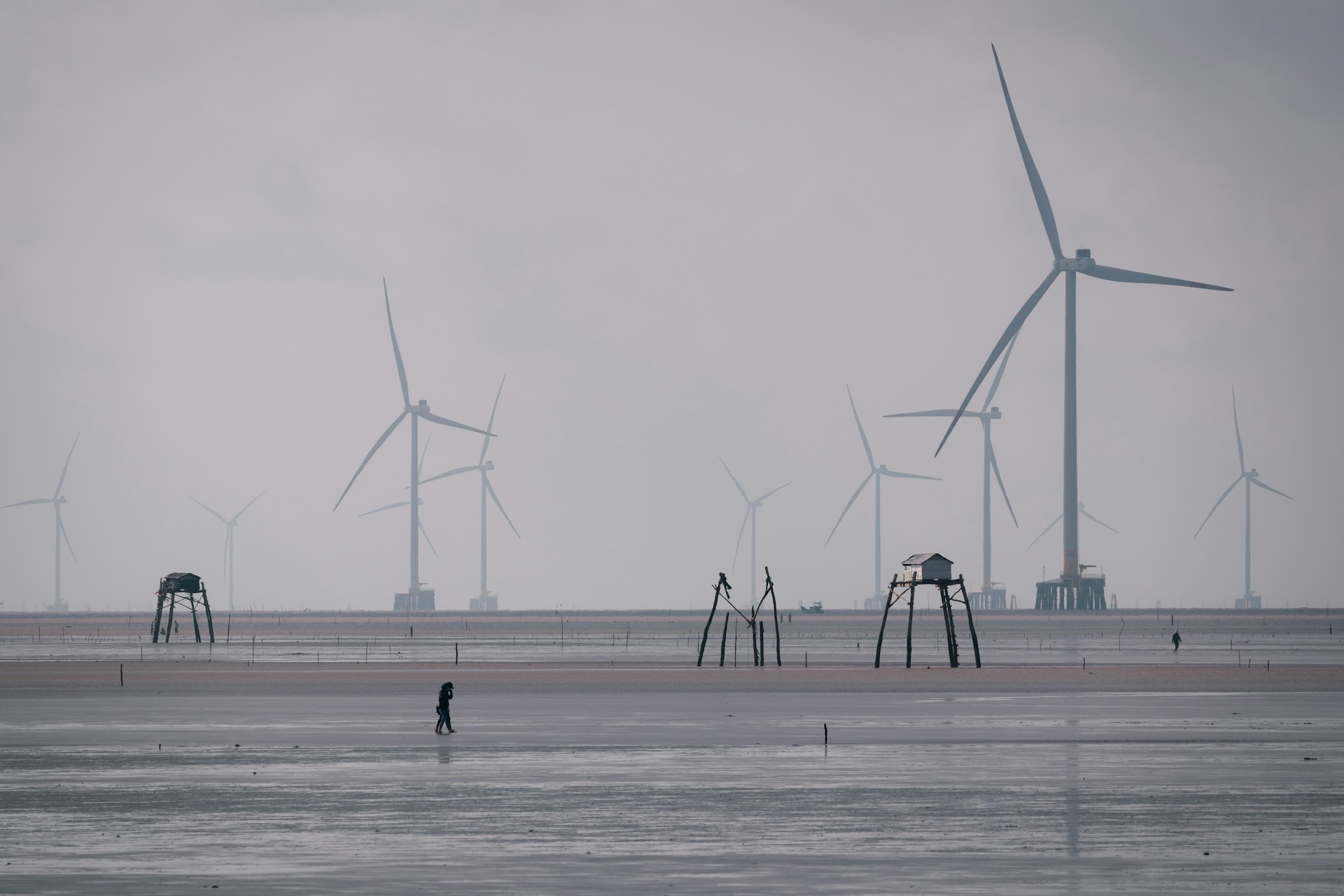
– Nuclear Power Plants: Vietnam plans to construct its first nuclear power plants by 2031 to meet growing energy demands and reduce greenhouse gas emissions. The government has signed agreements with Russia’s state-owned nuclear energy company, Rosatom, to enhance cooperation in nuclear energy[2].
– Semiconductor Manufacturing: Vietnam is investing in its semiconductor industry, with projects like Viettel’s 100 million USD chip factory set to launch in 2025[3]. The government has introduced policies to support this sector, including a funding package of up to 400 million USD, covering 30% of total project investment costs for semiconductor manufacturing plants operational by December 31, 2030[4].
Labor force market in Vietnam
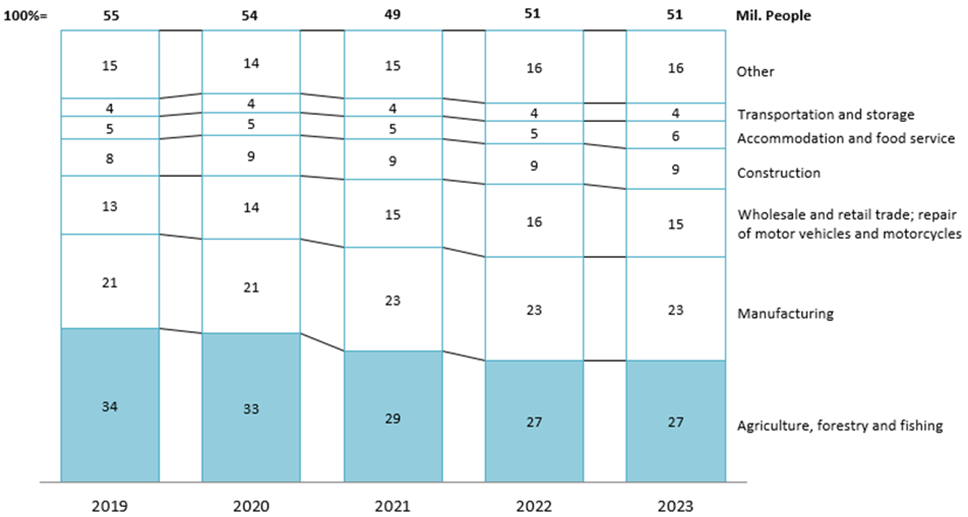
Vietnam remains in its “golden population structure” phase[5], with the labor force aged 15 and older reaching 53 million in 2024, maintaining a stable level of 67% of the total population over the past five years since 2019. The unemployment rate remained low at approximately 2% throughout the year, with workforce allocation is mainly from rural and suburban areas, accounting for 61%, while urban workers comprise the remaining 39%[6].
Related article




















Log in / Register
Continue without an account
Log in / Register
SUBSCRIBE NEWSLETTER