
不断扩张的国际学校市场面临质量和知名度方面的挑战

在经济增长和教育投资增加的推动下,国际学校在越南迅速扩张。
School in Vietnam

236 月2025

B&Company

精彩内容 / 行业评论 / 最新资讯及报告

评论: 没有评论.

B&Company 是第一家自 2008 年起在越南专门从事市场研究和投资咨询的日本公司。.

本文以英文撰写,其他语言版本为自动翻译版本。请以英文版本为准。尽管我们力求确保原始信息的准确性,但请您自行核实每条信息。文中的解读和未来展望均为各研究者的个人观点。.

在经济增长和教育投入增加的推动下,越南的国际学校正在迅速扩张。这些机构吸引了那些对传统公立学校体系有所顾虑的家长。然而,教育质量参差不齐、信息透明度低等挑战也随之出现,凸显了改善整个行业的治理和提高透明度的必要性,以确保可持续发展。

过去十年新建筑的三分之一,主要在城市地区快速增长

[图1] 国际学校(所)数量

Number of international schools (schools)

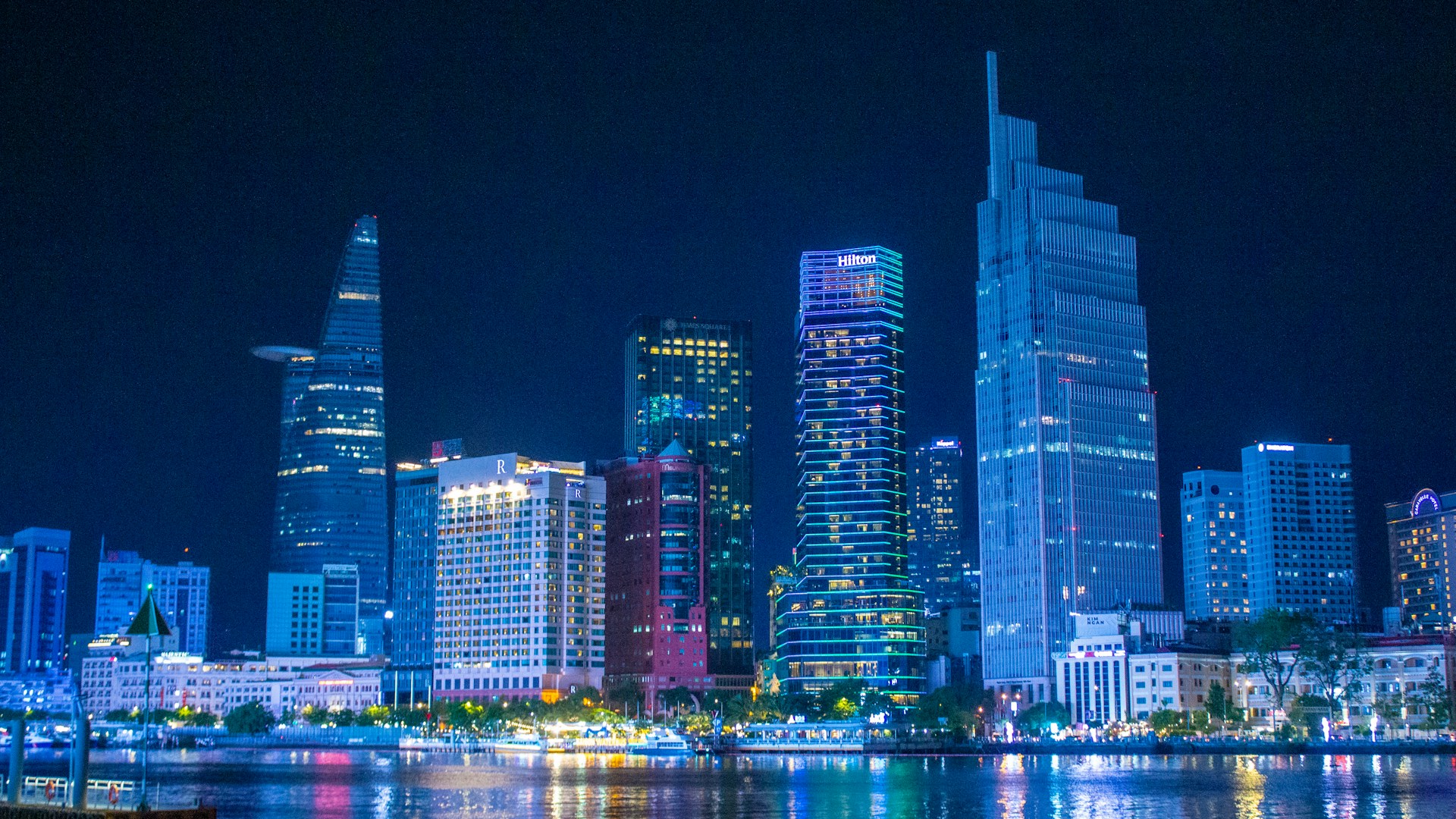
根据国际学校数据库的数据,越南目前共有77所国际学校,其中27所(约35%)是过去10年内开设的。按地区划分,胡志明市最多,有35所,其次是河内(27所)和岘港(6所),并且这些学校正在逐渐向其他地区城市扩展。

In addition, about 60% of the total (43 schools) offer integrated education from kindergarten to high school, and the remaining schools have relatively long curriculums such as “K to junior high school” or “elementary school to high school.” This structure is aimed at maximizing profits by vertically dividing the grades at international schools, which require large investments in facilities.

学费相差五倍以上,城乡之间也存在差距

学费因学校而异。小学每年学费约为5,000至30,000美元,高中则为6,000至36,000美元,两者相差五倍以上。在两大城市的顶尖学校,校舍和教育设备的初期投资可达数十亿日元,假设学生人数为1,000人,每年学费为30,000美元,那么这将是一项年销售额达50亿日元的生意。另一方面,在地方城市,设施和学费都保持在较低水平,以中产阶级为目标群体的学校是常态。

推动这一趋势的不是外国孩子,而是越南家庭

While the rise in international schools is partly driven by the influx of foreign expatriates, the majority of students are actually Vietnamese. This trend reflects ongoing dissatisfaction with public schools and growing concerns over education standards. Wealthier families, especially in urban areas, are increasingly turning to international schools in pursuit of a “global education,” signaling a shift in the middle class’s educational mindset. Influenced by the career paths and experiences of the parent generation, there is a rising willingness to invest in education with future goals such as studying abroad or securing employment with foreign companies in mind.

Urgent Need for Greater Transparency in “In Name Only” International Schools

A pressing concern in Vietnam’s international school landscape is the wide variation in educational quality. Many schools label themselves as “international,” yet their curricula are heavily centered on Vietnamese language instruction, with limited international content or foreign faculty. This disconnect highlights the need to clarify accreditation systems and establish consistent standards to define what qualifies as an international school.

登录或免费注册以继续阅读。

相关文章

订阅新闻通讯