

 English
 日本語
 Tiếng Việt
 简体中文
 한국어
B&Company's recent visits to selected retail stores reviewed unsweetened flavored tea products in Vietnam and consumer preferences.
25Nov2026
Latest News & Report
Comments: No Comments.
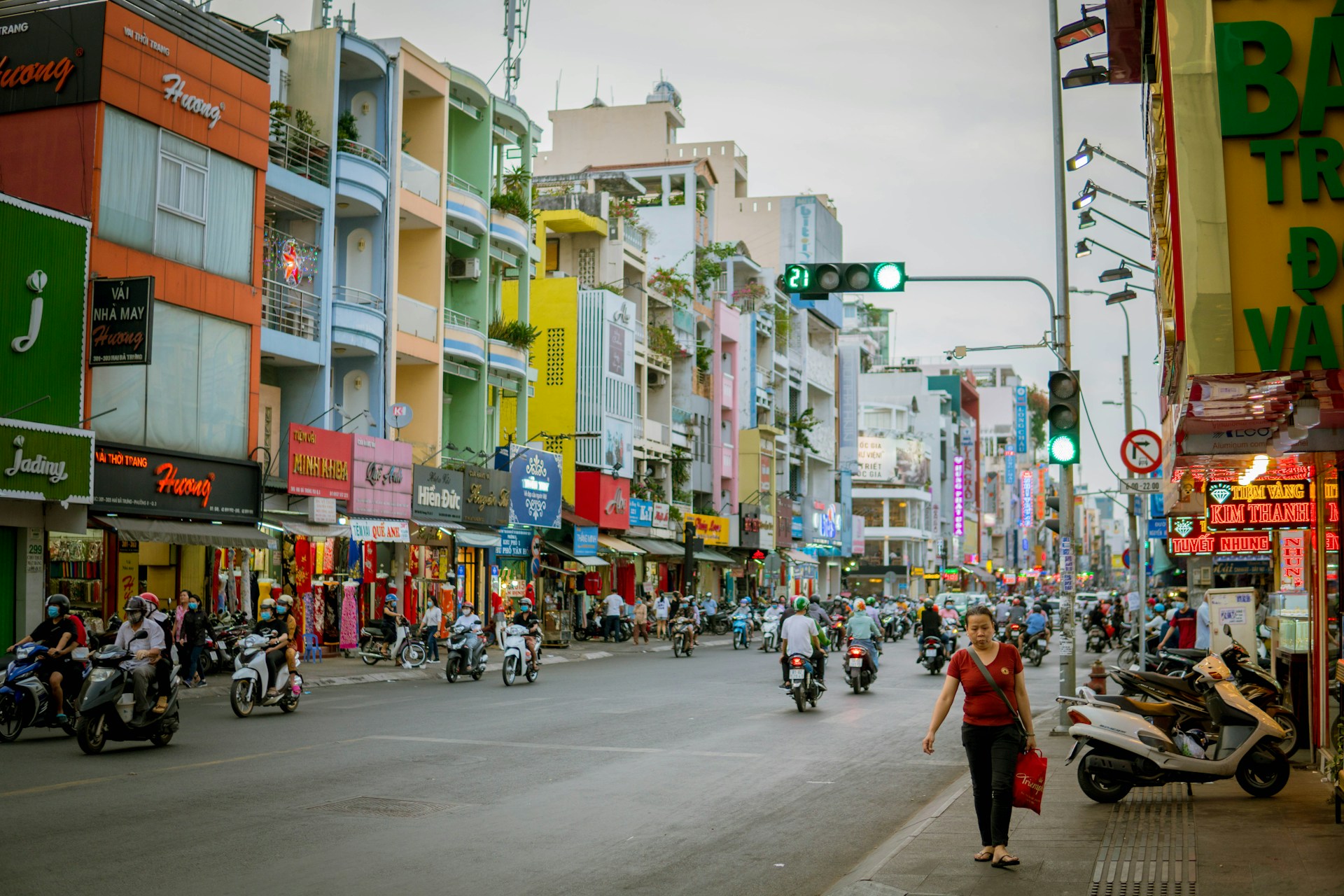
Vietnamese consumers are paying more attention to sugar content when choosing food and beverages. Beverage manufacturers have responded by introducing products with reduced or no sugar. In the bottled tea market, some brands have introduced unsweetened tea with flavors such as peach and jasmine to provide more choices for consumers. This article reviews unsweetened flavored tea products in Vietnam, including their prices, product characteristics, and availability at retail stores. It also incorporates B&Company’s recent visits to selected retail stores in Ho Chi Minh City to provide updated insights into product offerings, pricing and consumer preferences, supported by informal consumer interviews.
Retail Observations and Consumer Perspectives on Reduced-sugar Tea
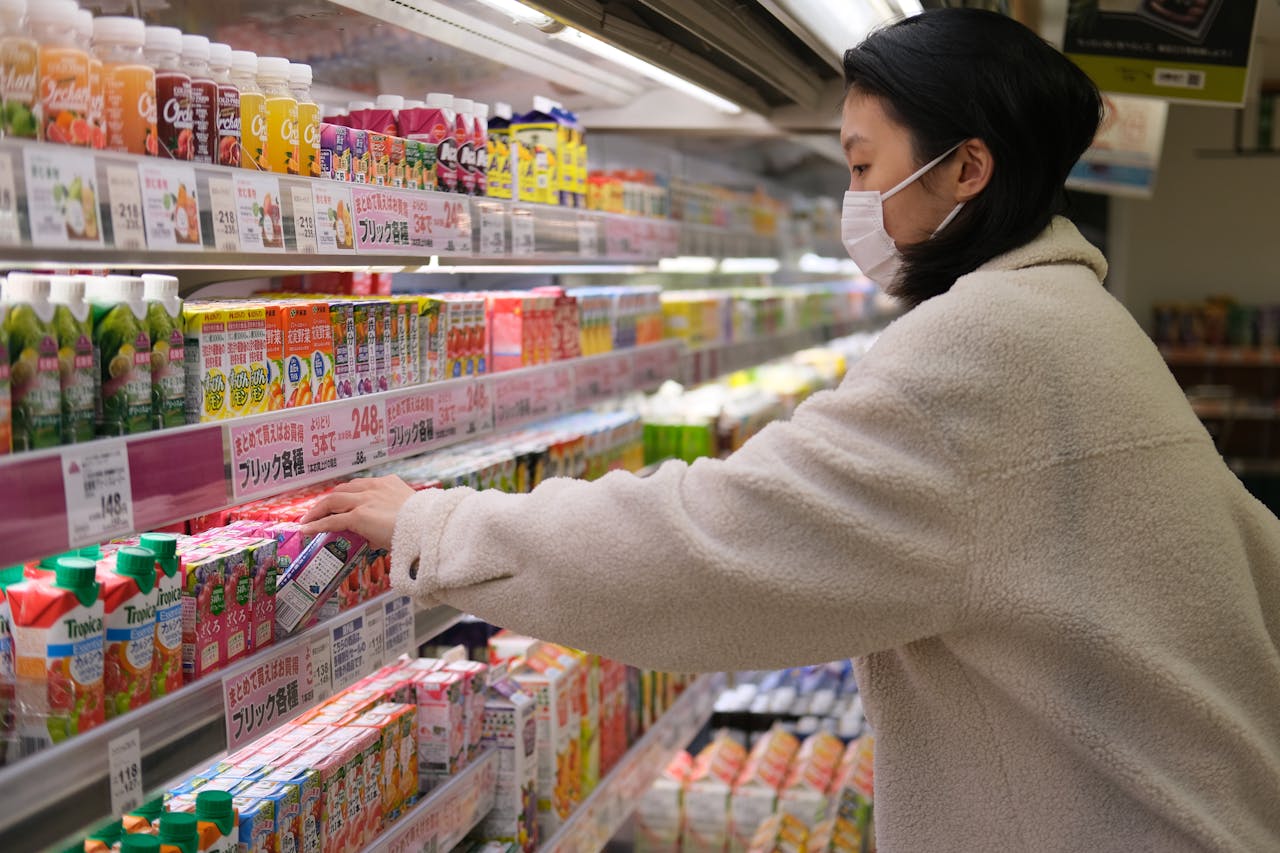
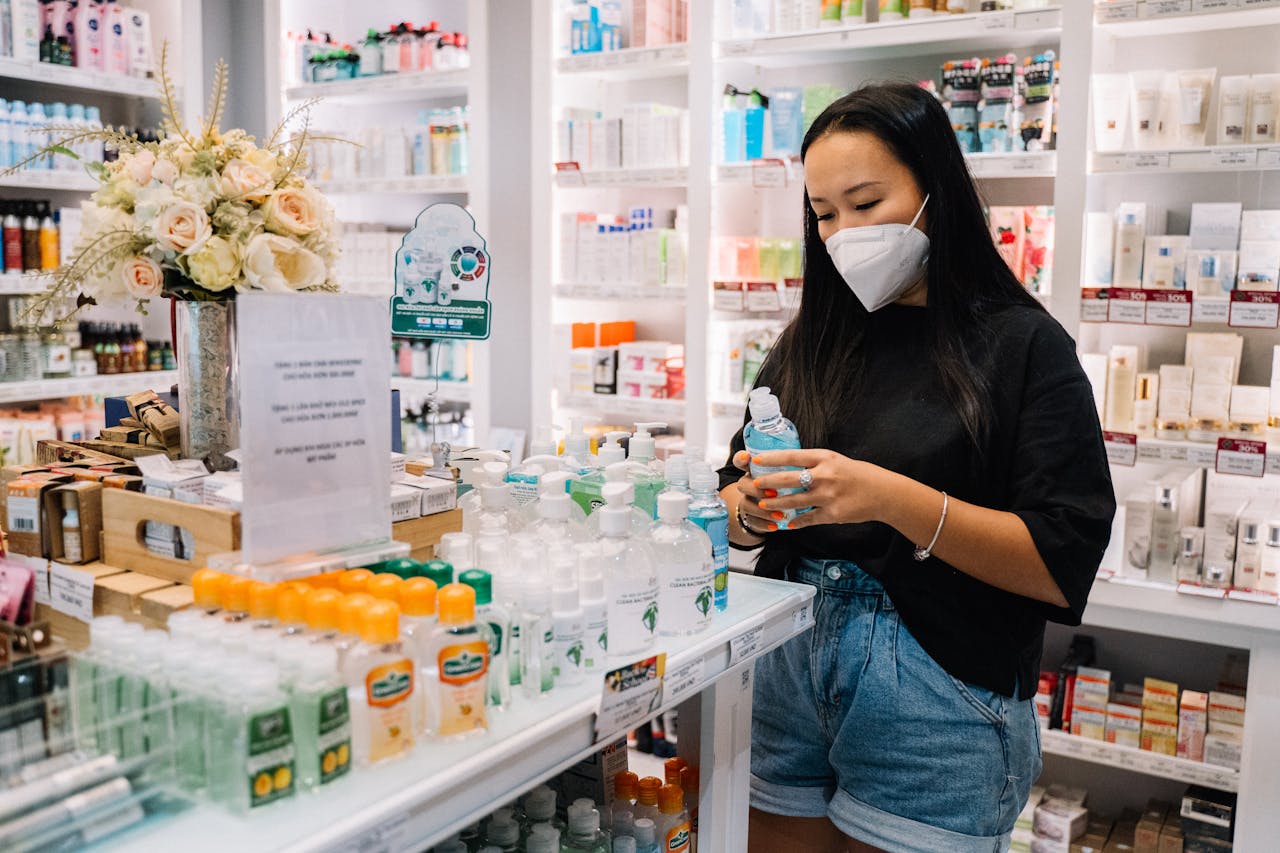
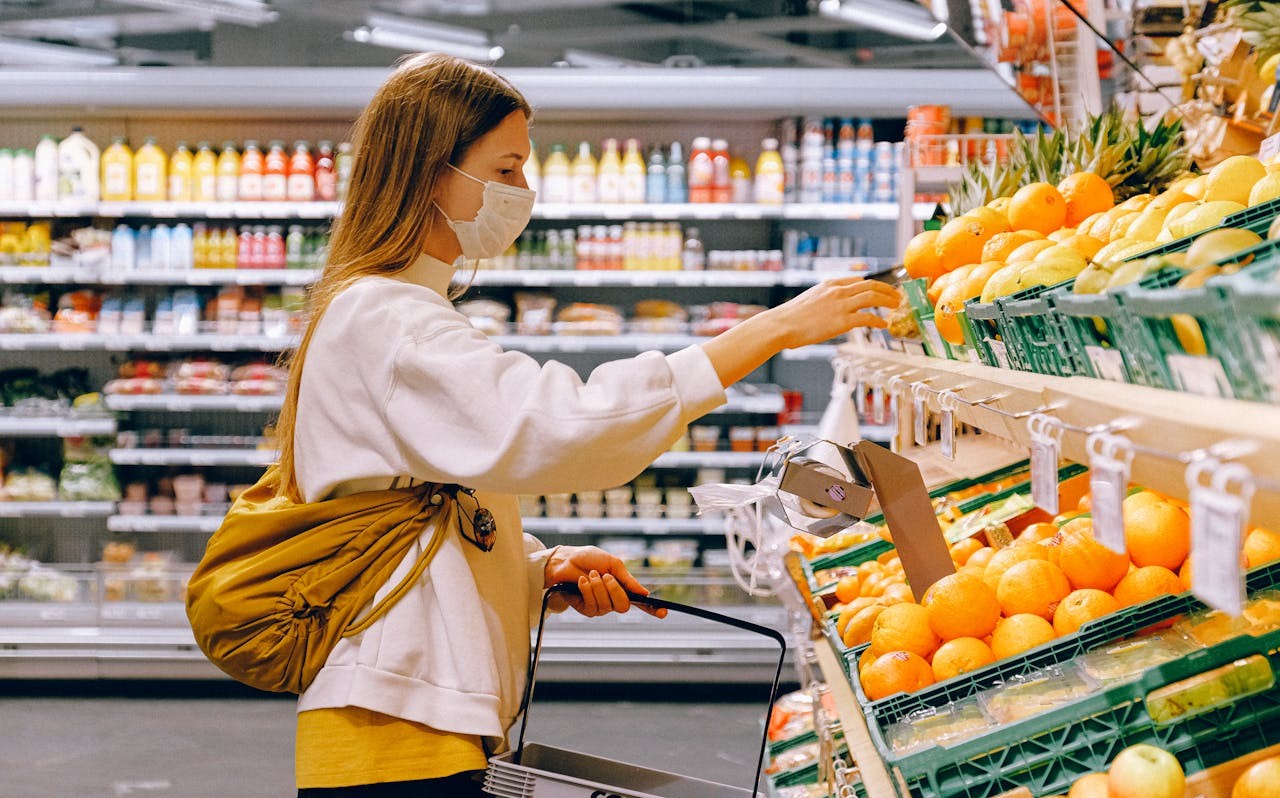
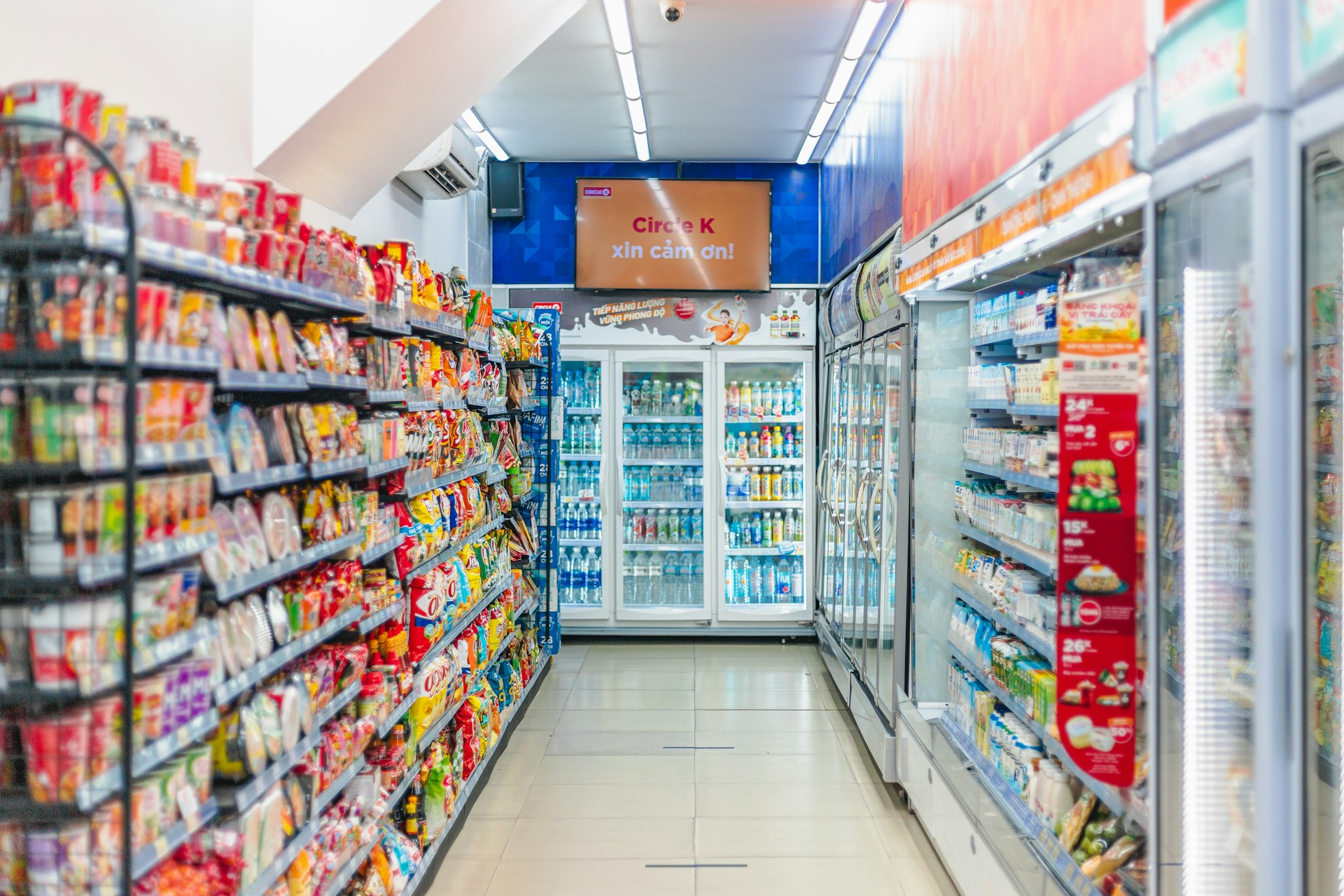
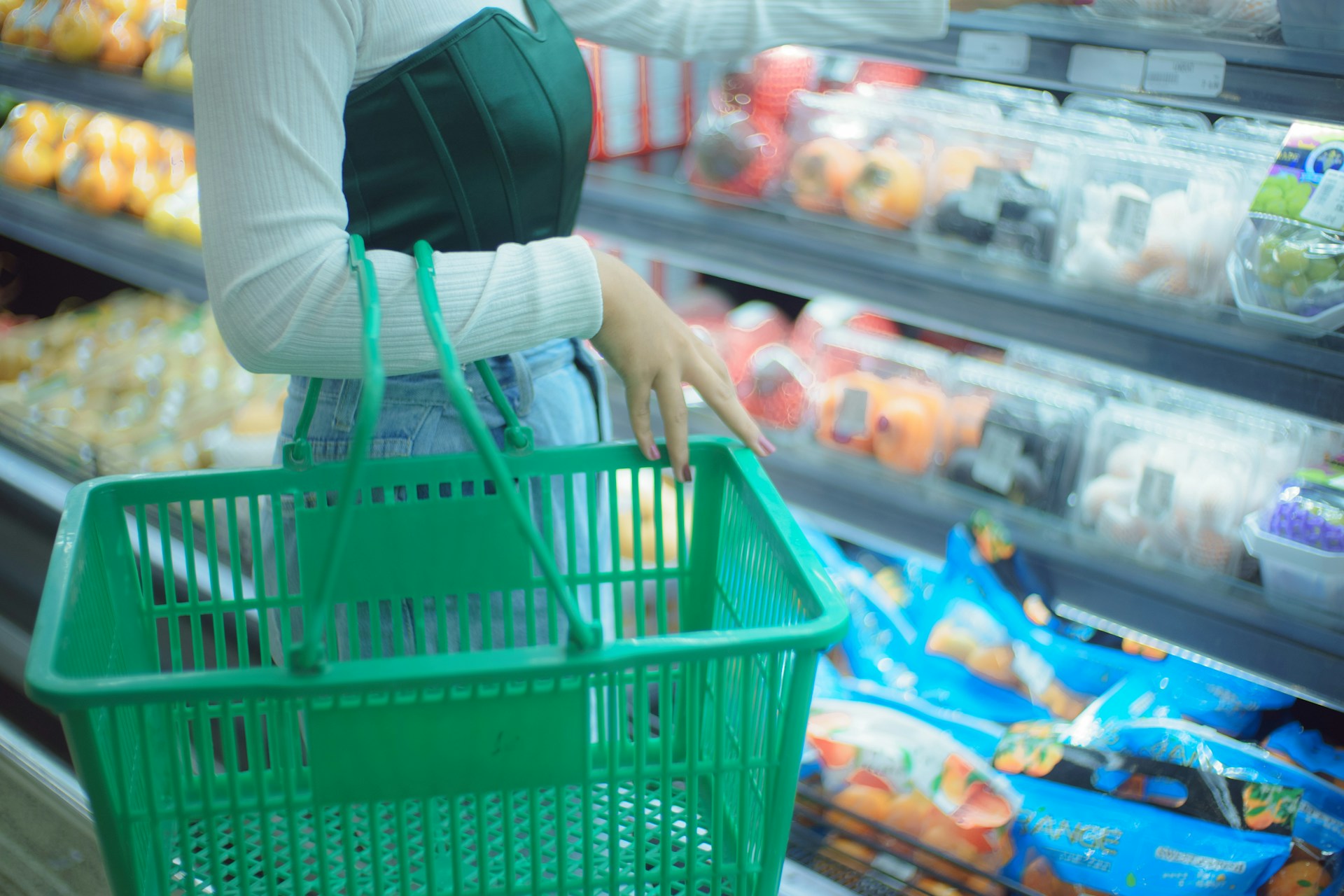
B&Company visited four retail outlets near Ly Tu Trong Street in District 1, Ho Chi Minh City: WinMart, Circle K, TSURUHA DRUG and MUJI. Based on store observations, conventional sweetened bottled tea products were generally more prevalent than reduced-sugar and sugar-free alternatives. WinMart offered only two unsweetened tea varieties, while Circle K and TSURUHA DRUG carried a wider selection, mainly consisting of Japanese green tea products. MUJI offered seven sugar-free varieties, including jasmine tea, apple oolong tea, and caffeine-free alternatives.
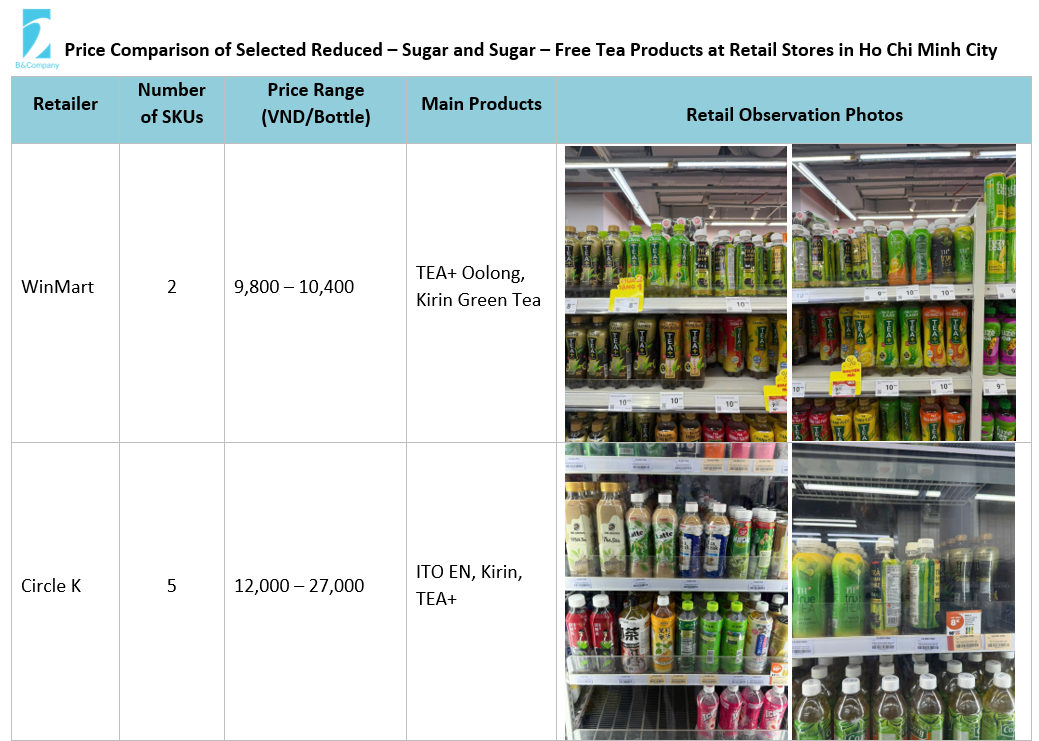
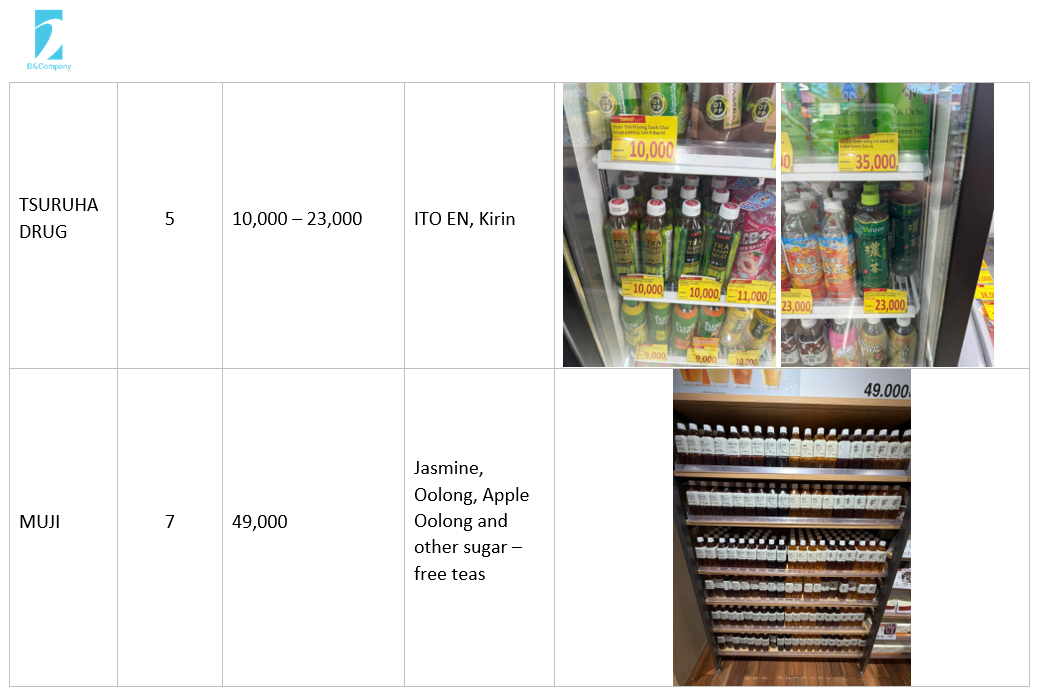
Source: B&Company’s retail observations
Price comparisons between sweetened and unsweetened bottled tea show relatively small differences within the same brand. At Circle K, Kirin Original Green Tea and its unsweetened version were both priced at VND 13,000 per 345 ml bottle. Co.op Online listed TEA+ Original Oolong Tea (450 ml) at VND 8,500 and its unsweetened version at VND 9,000, a difference of approximately 5.9%[1].
TEA+ and Kirin, both manufactured in Vietnam, offered unsweetened tea at VND 9,800 – 13,000 per bottle during B&Company’s retail visits. ITO EN’s bottled tea products, imported from Thailand under a Japanese brand, were priced at VND 23,000–27,000, while MUJI’s seven unsweetened tea varieties were sold at VND 49,000 each. TEA+ and Kirin offer relatively affordable bottled tea products suitable for everyday consumption, while ITO EN and MUJI provide more specialized selections, including stronger tea flavors, floral varieties, and tea made from different ingredients. Imported products may appeal to consumers seeking distinctive flavors or Japanese-style tea experiences, but their higher prices could limit their competitiveness against mainstream alternatives.
Consumer preferences and purchase interest in reduced-sugar and sugar-free flavored tea
| Indicator | Response | Number of Respondents |
| Age Group | 18–24 years old | 9 |
| 25–34 years old | 1 | |
| Over 35 years old | 2 | |
| Factors Influencing Bottled Tea Purchases | Ingredients | 6 |
| Flavor | 4 | |
| Price | 3 | |
| Brand | 2 | |
| Willingness to Purchase Reduced – Sugar or Sugar – Free Flavored Tea | Yes | 9 |
| No | 2 | |
| Unsure | 1 |
Source: B&Company’s informal consumer interviews, October 2026 (n = 12).
Note: Respondents could select multiple purchasing factors. Findings are indicative and are not representative of Vietnamese consumers as a whole.
B&Company’s informal interviews with 12 bottled tea consumers found that ingredients and flavor were the most frequently selected purchasing considerations, followed by price and brand. Nine respondents expressed willingness to buy tea with less or no sugar in flavors such as peach, jasmine, or other fruits. Individual flavor preferences also shaped their interest. One participant preferred jasmine and was open to trying green tea but did not like peach, showing that adding flavor alone may not be enough to attract every consumer. The feedback provides an initial view of purchase interest within a small group, mostly aged 18–24.
Consumer Preferences in Vietnam’s Beverage Market
Vietnam’s beverage market is expected to maintain steady growth in the coming years. According to Expert Market Research, the market is projected to grow at a compound annual growth rate (CAGR) of 4.7% from 2026 to 2035, reaching approximately USD 25.71 billion by 2035. Non-alcoholic beverages are expected to grow faster, with a projected CAGR of 5.3%. Their share of total beverage market revenue is forecast to remain relatively stable at around 62 – 63% between 2025 and 2029, indicating the continued importance of this segment in Vietnam’s beverage industry[2].
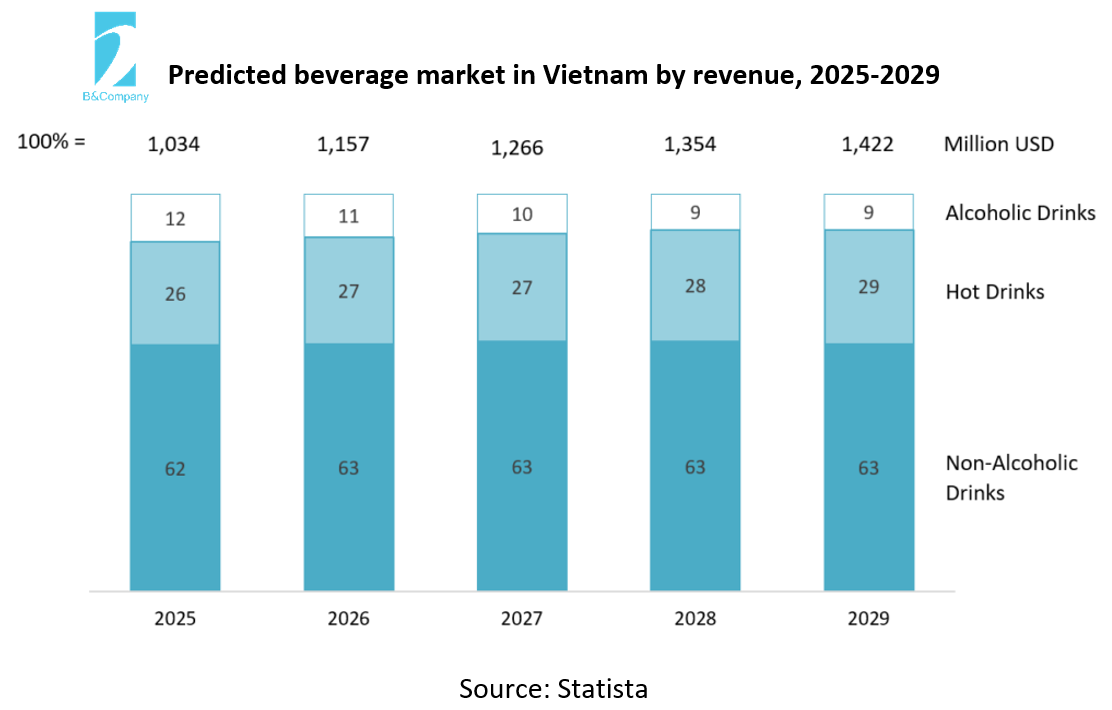
B&Company synthesized from Statista
According to InsightAsia’s Vietnam Beverage Market Study 2025, which surveyed 524 consumers aged 16–55 across five major cities, taste was the most frequently cited factor influencing beverage purchases, at 92%. Price and value for money ranked second at 78%, followed by refreshment effectiveness at 65%. Meanwhile, 46% of respondents considered low-sugar or sugar–free options an important factor, and 42% mentioned natural ingredients[3].
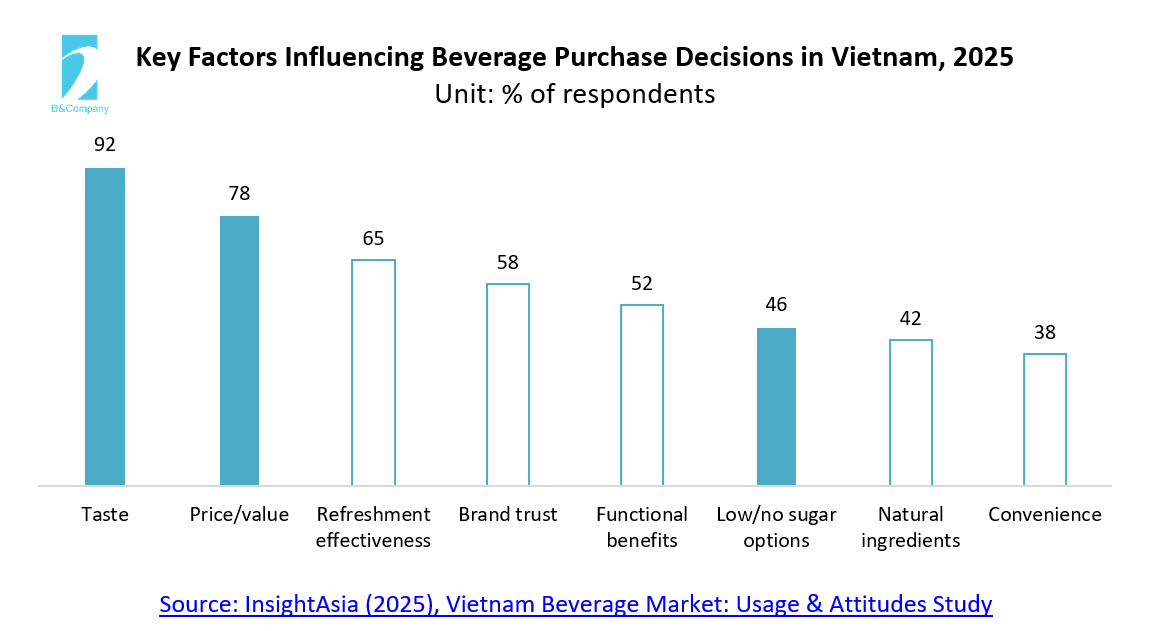
B&Company synthesized from InsightAsia
Implications for Foreign Manufacturers Targeting Vietnam’s Tea Market
Retail observations show that conventional sweetened tea remains more prevalent at the surveyed stores, while flavored unsweetened options are relatively limited. Foreign brands should consider the following factors when developing products for the Vietnamese market:
– Flavor adaptation: Familiar flavors such as peach, jasmine, and apple can help differentiate products from traditional green tea and oolong tea. Consumer preferences vary across flavors, making local taste testing important when selecting product formulations and sweetness levels.
– Pricing strategy: Locally manufactured bottled tea products were generally more affordable than imported Japanese tea products at the surveyed stores. Foreign brands need to balance product differentiation with competitive pricing.
– Product positioning: Flavor, ingredients, and sugar content can serve as different selling points. Brands can emphasize the expected drinking experience alongside the benefits of reduced sugar, especially when introducing products to consumers unfamiliar with unsweetened flavored tea.
– Retail distribution and consumer testing: Product availability differed across supermarkets, convenience stores and specialty retailers. Selecting suitable retail channels and conducting product sampling can help foreign brands assess consumer interest, taste acceptance and potential repeat purchases.
How B&Company can support
Flavored reduced–sugar and sugar-free tea offers potential in Vietnam as consumers become more attentive to sugar content without compromising their expectations for taste. Fruit and floral aromas may help make these products more appealing, but their ability to encourage consumers to switch from conventional sweetened tea depends on individual taste preferences, pricing, and product availability.
B&Company supports foreign beverage manufacturers in exploring opportunities and developing market entry strategies in Vietnam. Our market research services cover consumer preferences, competitor analysis, product positioning, pricing and retail distribution. Consumer interviews, retail observations, and product concept testing can help businesses identify preferred flavors, evaluate sweetness levels, and understand purchasing considerations. B&Company also provides business matching and distributor search services to help international brands identify potential local partners and expand their market presence. Our combination of market insights and local business support enables companies to make informed decisions and develop products suited to Vietnamese consumers.
Read more
VIMF x VIAF Bac Ninh 2026: Showcasing Vietnam’s Industrial and Manufacturing sector
[1] https://cooponline.vn/tra-olong-tea-plus-chai-450ml–s250106951
[2] https://b-company.jp/vietnam-healthy-drink-market-some-key-updates-in-2025/
[3] https://insightasia.com/wp-content/uploads/2025/06/2504-Beverage-Market-0425.pdf
Related article






















Log in / Register
SUBSCRIBE NEWSLETTER