

 English
  日本語
日本語  Tiếng Việt
  简体中文
简体中文  한국어
한국어 In January 2025, the Vietnamese government approved a project to develop a carbon market, making efforts to reduce greenhouse gas emissions.

04Mar2025
Latest News & Report / Vietnam Briefing
Comments: No Comments.
In January 2025, the Vietnamese government approved a project to develop a carbon market under the Decision No. 232/QĐ-TTg, marking a significant step in the country’s efforts to regulate and reduce greenhouse gas emissions. By enabling the trading of carbon credits, this system incentivizes emission reductions and fosters investment in green technologies, aligning Vietnam with global climate commitments.
Overview of the Carbon Market in Vietnam
Vietnam, recognizing the dual advantages of environmental sustainability and economic growth, has been proactive in developing its carbon market. The country’s commitment to achieving net-zero emissions by 2050 highlights the urgency of establishing a well-structured carbon trading system. By integrating carbon markets into its economic framework, Vietnam aims to align with global climate agreements, such as the Paris Agreement, while enhancing its competitiveness on the international stage.
Carbon markets operate by setting a cap on emissions that businesses must adhere to. Companies exceeding their allocated emissions must purchase additional allowances from those that have successfully cut their emissions. This creates a financial incentive for businesses to innovate and adopt cleaner technologies. Several countries, including the European Union, China, and South Korea, have successfully implemented carbon markets, offering valuable insights for Vietnam as it develops its own system.
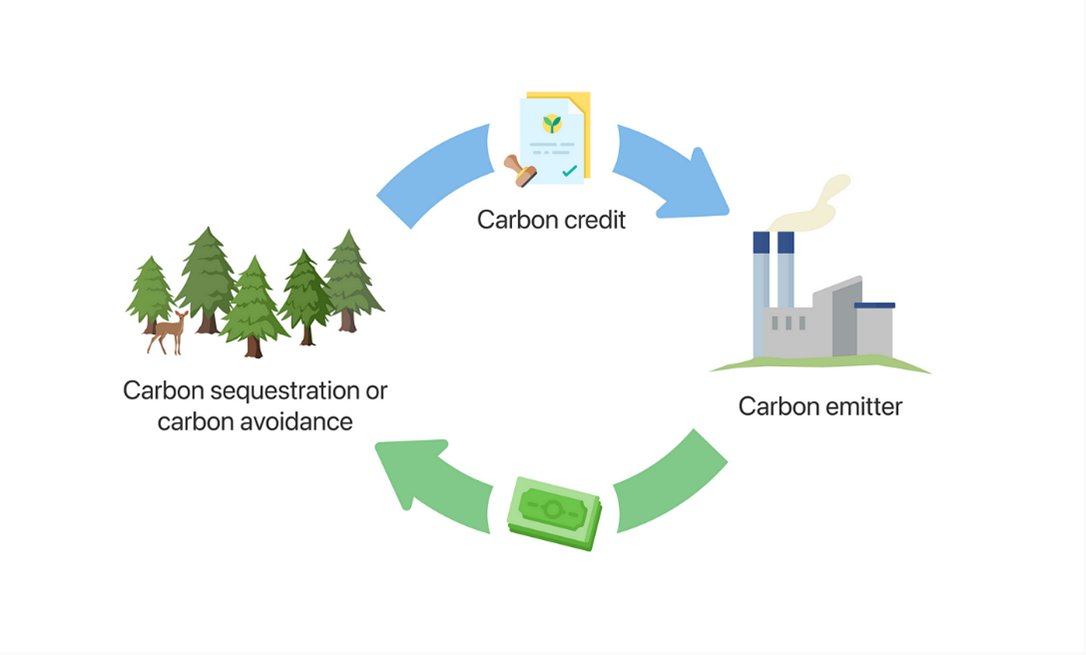
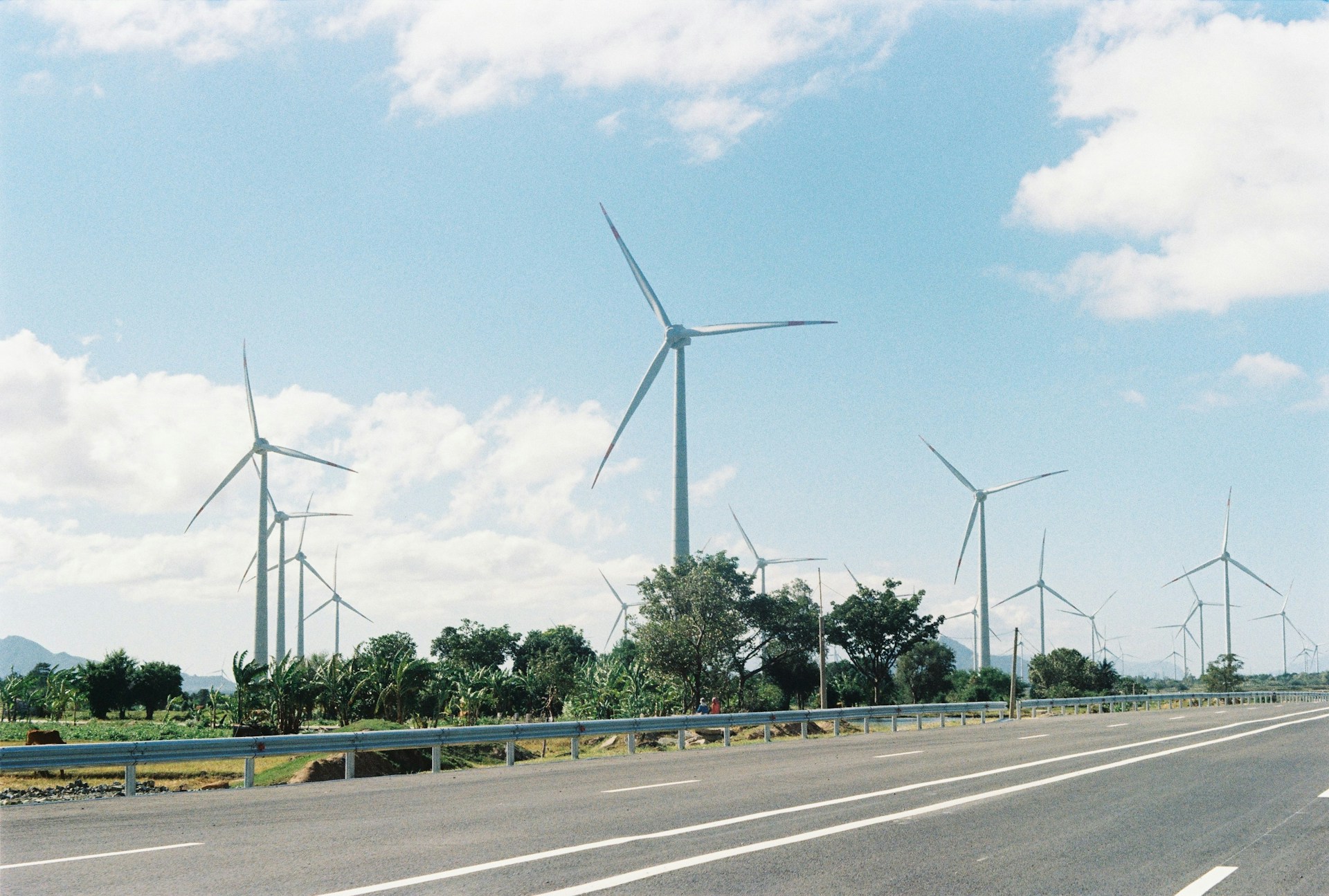
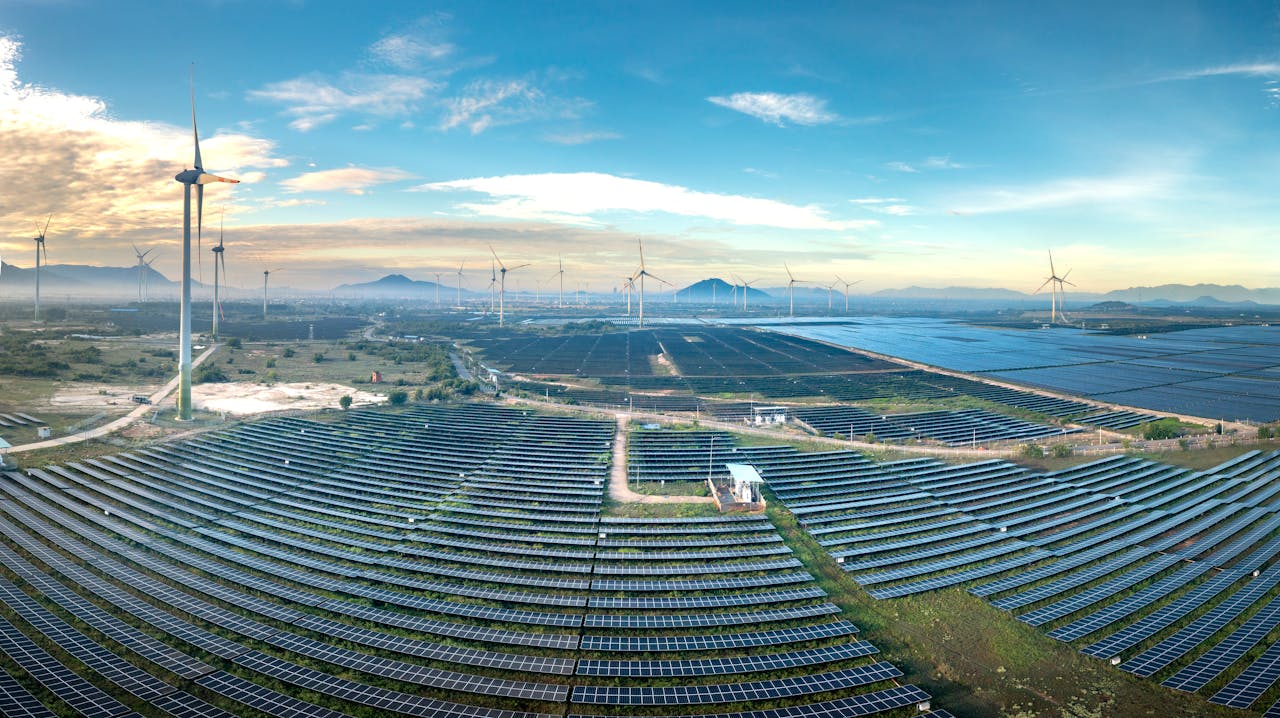
Source: GP Solar
Vietnam’s voluntary carbon credit market is already active, primarily through forestry initiatives. Afforestation and reforestation projects have generated carbon credit that can be sold to international buyers or used to offset domestic emissions. These forestry-based credits have played a vital role in funding conservation efforts, preserving biodiversity, and supporting local communities. With approximately 14.7 million hectares of forest covering 42% of the country’s land area, Vietnam has the capacity to absorb an estimated 69.8 million tons of CO₂ annually.[1]
Here are some notable carbon credit projects that Vietnam has been implementing in recent years:
| Project Name | Description | Location | Sector | Link |
| REDD+ Initiative | Received $51.5 million for verified emissions reductions through efforts in reducing deforestation and forest degradation | Nationwide | Forestry | worldbank.org |
| Low-Emission Rice Program | Farmers in the Mekong Delta to receive nearly $40 million in carbon credit payments through a low-emission rice initiative | Mekong Delta | Agriculture | carbonherald.com
|
| Joint Crediting Mechanism (JCM) Projects | Nine projects approved between 2013 and 2020, including solar installations in Ho Chi Minh City and energy-efficient equipment in factories | Nationwide | Renewable Energy, Energy Efficiency | reccessary.com
|
| ASEAN Carbon Credit Trading Platform | Establishment of the first carbon credit trading platform in Vietnam by CT Group | Nationwide | Market Infrastructure | vietnamnews.vn |
| Thanh Hoa Sugarcane Carbon Project | Idemitsu Kosan, Lam Son Sugar Cane, and Sagri signed an agreement in mid-December 2024 to launch Vietnam’s first carbon credit project from sugarcane fields | Thanh Hoa Province | Agriculture | vir.com.vn |
Vietnam officially approves project to build and develop a Carbon market
On January 24, 2025, Deputy Prime Minister Trần Hồng Hà signed Decision No. 232/QĐ-TTg, approving the “Project on Establishing and Developing the Carbon Market in Vietnam.” This landmark decision outlines a comprehensive roadmap for the formation and operation of the domestic carbon market, ensuring that Vietnam follows a structured and well-planned approach to emissions trading.
| Category | Content |
| Objective | · Finalize the legal framework for trading emission quotas and carbon credits by June 2025.
· Pilot the carbon trading floor from 2025 to 2028. · Fully operate the national carbon market from 2029. · Ensure transparency, fairness, and effective enterprise participation. |
| Carbon market commodities | · Greenhouse gas (GHG) emission quotas (allocated freely or auctioned).
· Carbon credits from domestic programs and offset mechanisms. · International credits from Clean Development Mechanism (CDM) and Joint Crediting Mechanism (JCM). |
Related article





























Log in / Register
Continue without an account
Log in / Register
SUBSCRIBE NEWSLETTER