
Vietnam Natural beauty market: What’s driving growth?

Demand for natural products is rising within the broader beauty market's growth, which is projected to grow at a CAGR of 3.3% from 2025 to 2030.
Vietnam natural beauty market

2026年7月21日

B&Company

最新ニュースとレポート / ベトナムブリーフィング

コメント: コメントはまだありません.

B&Company-Vietnam industry reports

B&Companyは、2008年以来ベトナムで市場調査と投資コンサルティングを専門とする最初の日本企業です。  

このコーナー「ベトナムブリーフィング」では、B&Companyの若手研究員がベトナムの産業動向、消費者動向、社会の動きなどについてタイムリーな情報を提供します。 

この記事は英語で書かれており、他言語版は自動翻訳を使用しています。正確な内容については英語版をご参照ください。原文の正確性には万全を期しておりますが、個々の情報については別途ご確認ください。解釈や将来展望は各研究者の個人的な見解です。 


The Natural Beauty Market[1] is steadily growing due to increased interest in health and the environment. Consumers are shifting toward products with naturally derived ingredients and sustainable values, while domestic and international brands are incorporating environmentally conscious initiatives and traditional elements into their offerings. However, defining what constitutes “natural” and building consumer trust remains essential.

Market Size

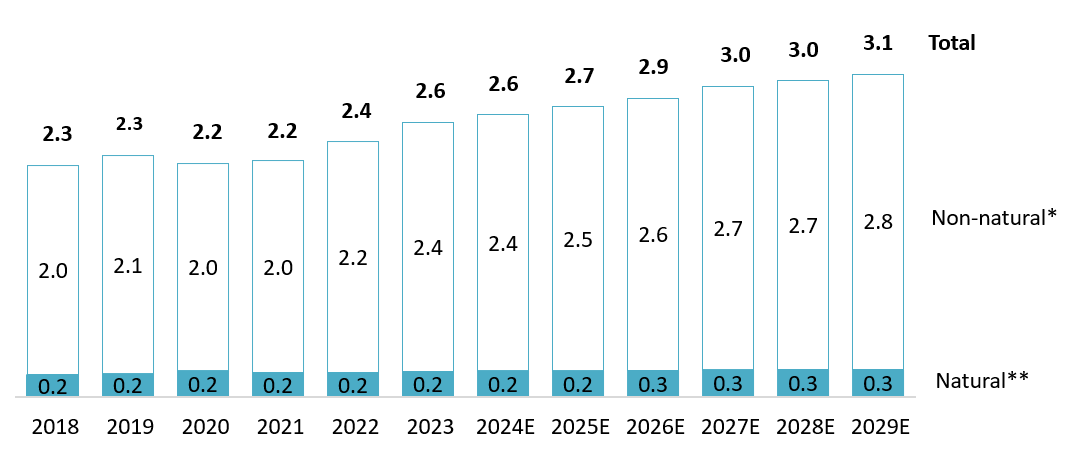
Demand for natural products is rising within the broader beauty market’s growth. In 2023, natural beauty products reached 240 million USD, accounting for 9% of the total beauty market. The market is projected to grow at a CAGR of 3.3% from 2025 to 2030.

Beauty Products Market Size


Beauty Products Market Size

資料: Statista [1]

*Products manufactured using synthetic chemicals or artificial ingredients. Includes beauty digital tools and devices (e.g., facial cleansing devices).

** Products made entirely or partially from naturally derived ingredients, with low or minimal synthetic chemical content.

Key Growth Drivers: Rising Health and Environmental Awareness

Increased consumer awareness of health and environmental issues is a key driver of demand for natural beauty products. Domestic environmental pollution has reached severe levels, with major cities like Hanoi and Ho Chi Minh City frequently ranking among the world’s worst for air quality. Public concern over the long-term health risks of synthetic chemicals is growing. Consumers are increasingly seeking safe, eco-friendly alternatives that align with their personal values regarding health and the environment. A 2024 survey by CocCoc[2] found that 80% of consumers prefer purchasing organic and environmentally conscious products. Similar surveys confirm this trend, indicating that health-conscious and sustainability-focused purchasing behavior is a continuing trend.

The potential target audience for natural beauty products is health- and sustainability-conscious urban youth (Millennials and Gen Z), who are middle-class consumers with the purchasing power to prioritize eco-friendly, sustainable products. Beyond practical benefits, they are influenced by emotional and social factors that align with their personal values and lifestyles.

主要人物

While international brands have long championed natural-oriented values, local companies are building their brand identities around natural cosmetics from the outset.

Major Natural Beauty Brands

いいえ ブランド Entry 2023 Sales (Billion VND) 品目 Natural Ingredients
 1 Innisfree 韓国  2006  687 Face Care, Body Care, Hair Care Jeju green tea, volcanic ash, villa, purple orchid
 2 Co Mem HomeLab ベトナム  2015  302 Cosmetics, Hair Care, Body Care, Face Care, Fragrance Mukuroji, Grapefruit Peel, Basil, Rose, Sweet Orange Essential Oil, Betel Leaf, Turmeric, Cinnamon
 3 ベトナム  2018  247 Hair Care, Body Care, Face Care, Lip Care Pumpkin, Grapefruit, Dak Lak Coffee, Hung Yen Turmeric, Hau Zan Lotus, An Zan Palm, Sugar, Centella Asiatica, Rose
 4 The Body Shop United Kingdom  2009  139 Cosmetics, Hair Care, Body Care, Face Care, Lip Care, Fragrance Kenyan tea tree oil, Ghanaian shea butter, Mexican aloe vera, argan oil, almond, rose
 5 Co Cay Hoa La ベトナム  2013  24 Hair Care, Body Care, Face Care Forti, Green Tea, Ginger, Turmeric, Adzuki Bean

Source: B&Company analysis, company database

One common strategy brands implement to connect with consumers is introducing unique plants and resources tied to specific regions or cultures, emphasizing local ingredients. Next is promoting environmental protection and building a sustainable ecosystem across the entire value chain.

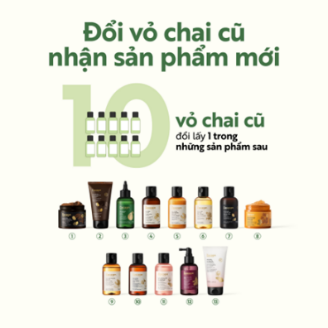
This includes eco-friendly raw material sourcing, collaborating with environmentally conscious farmers, reducing packaging plastics, and campaigns encouraging environmentally mindful consumption.

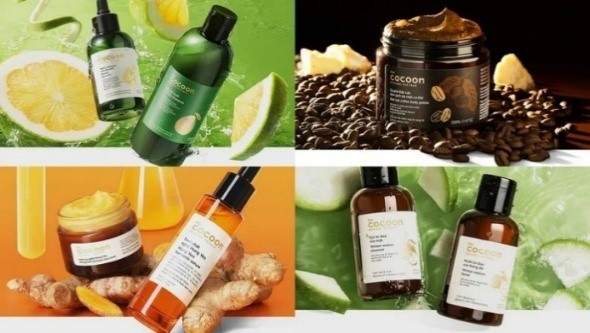
 Case Study 1: Cocoon Vietnam: Local Ingredients and Farmer Support

– Using traditional Vietnamese ingredients like turmeric from Hung Yen, lotus from Ha Giang, palm sugar from An Giang, and coffee from Dak Lak, each product is tied to a specific region and its culture.

– Collaborating with farmers in Dak Lak to support the transition to sustainable agriculture, improve soil vitality, and promote organic fertilizer use

– Demonstrates environmental and social responsibility through campaigns like “Used Battery Collection – Protect Our Green Earth” and by offering packaging material collection programs

Cocoon’s natural beauty products and environmental campaigns

Cocoon's natural beauty products and environmental campaigns (1)Cocoon's natural beauty products and environmental campaigns (2)

Source: Cocoon Instagram

Case 2: Innisfree: Natural Ingredients and Eco-Friendly Farming

– Sourcing raw materials from Jeju Island, emphasizing clean and natural origins

– Focuses on environmentally conscious farming methods and collaborates with local farmers. Uses recyclable, lightweight packaging for items like serum bottles

 Case Study 3: The Body Shop: Promoting Sustainability Through In-Store Initiatives

– Advocating environmental responsibility through campaigns like “Act for Change,” promoting refill bottles and reusable packaging

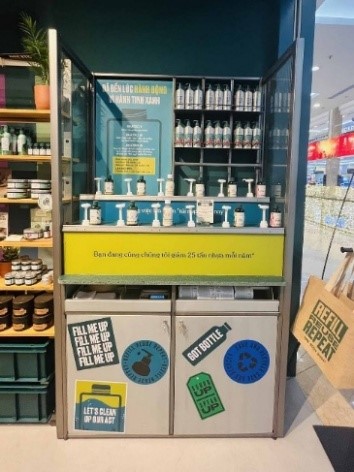
– Introducing eco-friendly store concepts like the “Activist Workshop,” incorporating refill stations, recycled furniture, and in-store recycling bins to make sustainability part of the shopping experience

 The Body Shop’s Activist Workshop and Refill Station

The Body Shop's Activist Workshop and Refill Station

Source: Brandsvietnam

Challenges: Price differences, certifications

Most consumers spend between 200,000 and 500,000 VND monthly on beauty products[3]. Natural beauty products are more expensive than synthetic alternatives. While Ponds cleanser costs about 78,000 VND per 100g, Cocoon’s natural cleanser is priced at 195,000 VND for 140ml—roughly 2.5 times the price. International organic products like Melvita (France, ECOCERT certified) range from 320,000 to 500,000 VND, up to six times the price of standard products[4]. While urban areas show high willingness to pay for clean products, rural areas and developing provinces are price-sensitive and have limited access to information about natural cosmetics. According to a CocCoc survey[5], 44% of rural consumers spend less than 200,000 VND monthly on beauty products, compared to 26% in urban areas.

There is no official definition or national standard for “natural cosmetics,” nor are there requirements for natural ingredient content. This ambiguity enables misleading labeling and erodes consumer trust. Brands aiming to enhance credibility and enter international markets must obtain third-party certification, which requires transparency in raw material sourcing and supply chains. This poses challenges for small and medium-sized local brands due to costs and procedures, undermining their competitiveness in the premium segment.

Growth Opportunities

Local Brands

According to the latest WGSN (US) survey, 76% of consumers prefer domestic brands. This presents an opportunity for local beauty brands to leverage strengths like competitive pricing, transparency, regional identity, and ease of distribution. While international recognition may be lower, trust can be built through certifications and maintaining transparency in ingredient sourcing and product processing. Affordable pricing makes natural products more accessible compared to imports. Furthermore, local brands can develop products tailored to Vietnamese skin types, preferences, and habits. Domestic production and locally sourced ingredients enable both quality assurance and cost reduction.

International Brands

Global beauty brands with worldwide recognition, R&D capabilities, and international certifications attract consumers seeking authenticity and sustainability. Beyond the premium segment, they can expand into mass and upper-mass markets through adjusted pricing strategies, smaller packaging, and region-specific brand messaging. Localization—incorporating ingredients favored by Vietnamese consumers and brand narratives resonating with local culture and needs—further enhances appeal.


* この記事の情報を引用する場合は、著作権を尊重するため、出典と元の記事へのリンクを明記してください。. 

B&カンパニー 

2008年よりベトナムで市場調査を専門とする初の日本企業として、業界レポート、業界インタビュー、消費者調査、ビジネスマッチングなど、幅広いサービスを提供しています。さらに、ベトナム国内の100万社以上の企業を網羅したデータベースを構築し、パートナー企業の探索や市場分析にご活用いただけるようになりました。. 

ご質問がございましたら、お気軽にお問い合わせください。 

info@b-company.jp+ (84) 24 3978 5165 

[1] This article defines natural beauty products as those that use natural ingredients either entirely or partially and contain low levels of synthetic chemicals. Subcategories are as follows:

  • – Makeup: Face, lip, and eye makeup products, nail polish
  • – Skincare: Face and body skincare products
  • – Personal Care: Bath, hair care, oral care, deodorant, shaving, etc.

[2]  CocCoc (2024) <アクセス>

[3] [4] [5]  Prices are reference prices and may fluctuate over time. Ponds cleanser prices were obtained from Watsons’ online store, Cocoon product prices from the brand’s official website, and Melvita prices from the EC platform’s product list.

関連記事

ニュースレターを購読する