

 한국어
한국어  English
  日本語
日本語  Tiếng Việt
  简体中文
简体中文 뷰티 시장 전반의 성장세 속에서 천연 제품에 대한 수요가 증가하고 있으며, 해당 시장은 2025년부터 2030년까지 연평균 3.31억 달러(CAGR) 성장할 것으로 예상됩니다.
217월2026
최신 뉴스 및 보고서 / 베트남 브리핑
댓글: 댓글 없음.
내추럴 뷰티 마켓[1] 건강과 환경에 대한 관심 증가로 천연 제품 시장은 꾸준히 성장하고 있습니다. 소비자들은 천연 유래 성분과 지속 가능한 가치를 지닌 제품으로 눈을 돌리고 있으며, 국내외 브랜드들은 환경을 생각하는 활동과 전통적인 요소를 제품에 접목하고 있습니다. 하지만 '천연'의 정의를 명확히 하고 소비자의 신뢰를 구축하는 것은 여전히 중요한 과제입니다.
시장 규모
뷰티 시장 전반의 성장세 속에서 천연 제품에 대한 수요가 증가하고 있습니다. 2023년 천연 뷰티 제품 시장 규모는 2억 4천만 달러에 달했으며, 이는 전체 뷰티 시장의 9천 1백만 달러(TP3T)를 차지했습니다. 이 시장은 2025년부터 2030년까지 연평균 3.31백만 달러(TP3T)의 성장률을 보일 것으로 예상됩니다.
Beauty Products Market Size
단위: 10억 달러
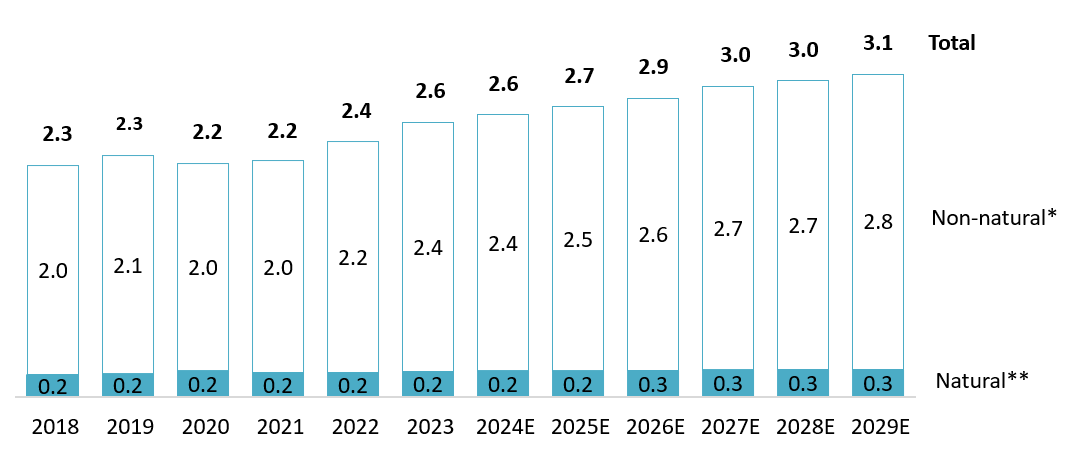
출처: Statista
*합성 화학 물질 또는 인공 성분을 사용하여 제조된 제품. 미용 디지털 도구 및 기기(예: 얼굴 세안 기기)가 포함됩니다.
** 본 제품은 천연 유래 성분으로 전부 또는 일부 만들어졌으며, 합성 화학 물질 함량이 낮거나 최소화되었습니다.
주요 성장 동력: 건강 및 환경 인식 제고
소비자의 건강 및 환경 문제에 대한 인식이 높아짐에 따라 천연 미용 제품에 대한 수요가 증가하고 있습니다. 국내 환경 오염은 심각한 수준에 이르렀으며, 하노이와 호치민시 같은 주요 도시는 세계 최악의 대기 오염 도시로 꼽히는 경우가 많습니다. 합성 화학 물질의 장기적인 건강 위험에 대한 대중의 우려도 커지고 있습니다. 소비자들은 건강과 환경에 대한 개인적인 가치관에 부합하는 안전하고 친환경적인 대안을 점점 더 많이 찾고 있습니다. (CocCoc의 2024년 조사)[2] 조사 결과 소비자의 801%가 유기농 및 친환경 제품 구매를 선호하는 것으로 나타났습니다. 유사한 조사에서도 이러한 추세가 확인되었으며, 건강과 지속가능성을 중시하는 구매 행태가 지속적인 트렌드임을 보여줍니다.
천연 미용 제품의 잠재적 목표 고객층은 건강과 지속가능성을 중시하는 도시 젊은층(밀레니얼 세대와 Z세대)으로, 이들은 친환경적이고 지속가능한 제품을 우선시하는 구매력을 가진 중산층 소비자입니다. 실질적인 이점 외에도, 이들은 개인적인 가치관과 라이프스타일에 부합하는 정서적, 사회적 요인에 영향을 받습니다.
주요 플레이어
국제적인 브랜드들이 오랫동안 자연 지향적인 가치를 옹호해 온 반면, 국내 기업들은 처음부터 천연 화장품을 중심으로 브랜드 정체성을 구축하고 있습니다.
주요 천연 화장품 브랜드
| 아니요 | 상표 | 국가 | 기입 | 2023년 매출액 (십억 VND) | 제품 | 천연 성분 |
| 1 | 이니스프리 | 대한민국 | 2006 | 687 | 얼굴 관리, 바디 관리, 헤어 관리 | 제주 녹차, 화산재, 빌라, 보라색 난초 |
| 2 | 코멤 홈랩 | 베트남 | 2015 | 302 | 화장품, 헤어 케어, 바디 케어, 페이스 케어, 향수 | 무쿠로지, 자몽 껍질, 바질, 장미, 스위트 오렌지 에센셜 오일, 빈랑잎, 강황, 계피 |
| 3 | Cocoon | 베트남 | 2018 | 247 | 헤어 케어, 바디 케어, 페이스 케어, 립 케어 | 호박, 자몽, 닥락 커피, 홍옌 강황, 하우잔 연꽃, 안잔 야자, 설탕, 병풀, 장미 |
| 4 | 더바디샵 | 영국 | 2009 | 139 | 화장품, 헤어 케어, 바디 케어, 페이스 케어, 립 케어, 향수 | 케냐산 티트리 오일, 가나산 시어 버터, 멕시코산 알로에 베라, 아르간 오일, 아몬드, 장미 |
| 5 | 코 케이 호아 라 | 베트남 | 2013 | 24 | 헤어 케어, 바디 케어, 페이스 케어 | 포르티, 녹차, 생강, 강황, 팥 |
출처: B&Company 분석, 기업 데이터베이스
브랜드들이 소비자들과 소통하기 위해 흔히 사용하는 전략 중 하나는 특정 지역이나 문화와 관련된 독특한 식물과 자원을 소개하고 지역 특산물을 강조하는 것입니다. 다음으로는 환경 보호를 장려하고 전체 가치 사슬에 걸쳐 지속 가능한 생태계를 구축하는 것입니다.
여기에는 친환경 원자재 조달, 환경을 생각하는 농부와의 협력, 포장 플라스틱 감소, 환경을 생각하는 소비를 장려하는 캠페인 등이 포함됩니다.
| 사례 연구 1: 코쿤 베트남: 현지 식재료 및 농민 지원
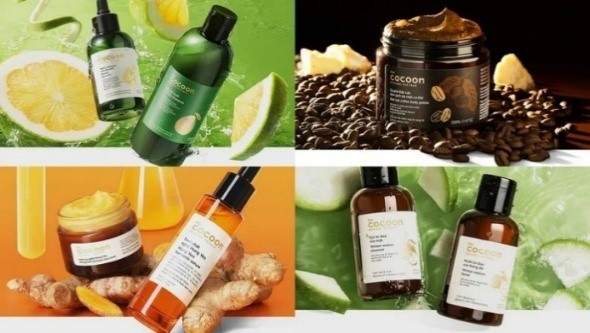
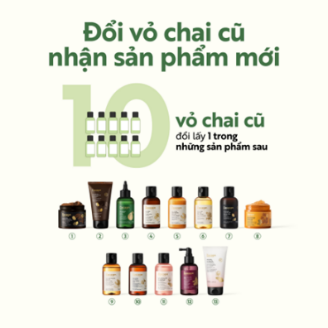
– 흥옌산 강황, 하장산 연꽃, 안장산 야자 설탕, 닥락산 커피 등 베트남 전통 재료를 사용하여 각 제품은 특정 지역과 그 문화와 밀접하게 연결되어 있습니다. - 닥락 지역 농민들과 협력하여 지속 가능한 농업으로의 전환을 지원하고, 토양 활력을 개선하며, 유기질 비료 사용을 장려합니다. – “폐배터리 수거 - 푸른 지구를 지키자”와 같은 캠페인 및 포장재 수거 프로그램 제공을 통해 환경적, 사회적 책임을 다하고 있습니다. 코쿤의 천연 미용 제품 및 환경 캠페인
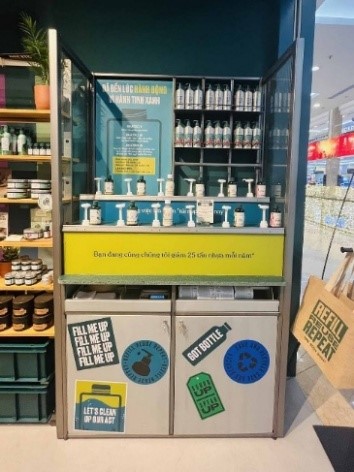
출처: 코쿤 인스타그램 사례 2: 이니스프리: 천연 성분과 친환경 농법 제주도에서 원료를 조달하여 깨끗하고 자연적인 원산지를 강조합니다. 환경을 생각하는 농업 방식에 중점을 두고 지역 농부들과 협력합니다. 세럼 병과 같은 제품에는 재활용 가능하고 가벼운 포장재를 사용합니다. 사례 연구 3: 더바디샵: 매장 내 활동을 통한 지속가능성 증진 – “변화를 위한 행동”과 같은 캠페인을 통해 환경적 책임을 옹호하고, 리필 병과 재사용 가능한 포장재를 장려합니다. – 리필 스테이션, 재활용 가구, 매장 내 재활용 쓰레기통 등을 도입하여 지속가능성을 쇼핑 경험의 일부로 만드는 “액티비스트 워크숍”과 같은 친환경 매장 콘셉트를 선보입니다. 더바디샵 액티비스트 워크숍 및 리필 스테이션
출처: Brandsvietnam |
과제: 가격 차이, 인증
대부분의 소비자는 미용 제품에 매달 20만~50만 VND를 지출합니다.[3]. 천연 성분으로 만든 뷰티 제품은 합성 성분 제품보다 가격이 비쌉니다. 폰즈 클렌저는 100g에 약 78,000 VND인 반면, 코쿤의 천연 클렌저는 140ml에 195,000 VND로 약 2.5배 비쌉니다. 멜비타(프랑스, ECOCERT 인증)와 같은 해외 유기농 제품은 320,000~500,000 VND로, 일반 제품보다 최대 6배까지 비쌉니다.[4]. 도시 지역은 친환경 제품에 대한 지불 의향이 높은 반면, 농촌 지역과 개발도상 지역은 가격에 민감하고 천연 화장품에 대한 정보 접근성이 제한적입니다. 코코크(CocCoc) 조사에 따르면[5], 농촌 지역 소비자 441,300만 명은 미용 제품에 월 20만 VND 미만을 지출하는 반면, 도시 지역에서는 261,300만 명에 불과합니다.
'천연 화장품'에 대한 공식적인 정의나 국가 표준이 없으며, 천연 성분 함량에 대한 요건도 마련되어 있지 않습니다. 이러한 모호함으로 인해 소비자를 오도하는 라벨 표기가 만연하고 소비자의 신뢰가 저하됩니다. 신뢰도를 높이고 국제 시장에 진출하려는 브랜드는 원료 조달 및 공급망의 투명성을 요구하는 제3자 인증을 획득해야 합니다. 이는 비용과 절차상의 어려움으로 인해 중소 규모의 국내 브랜드에 부담을 주어 프리미엄 시장에서의 경쟁력을 약화시킵니다.
성장 기회
지역 브랜드
최근 WGSN(미국) 조사에 따르면, 소비자 76만 1천 1백 3천 명의 3백 명이 국내 브랜드를 선호합니다. 이는 국내 뷰티 브랜드가 경쟁력 있는 가격, 투명성, 지역적 정체성, 용이한 유통 등의 강점을 활용할 수 있는 기회를 제공합니다. 국제적인 인지도는 다소 낮을 수 있지만, 인증을 획득하고 원료 조달 및 제품 제조 과정의 투명성을 유지함으로써 신뢰를 구축할 수 있습니다. 합리적인 가격은 수입 제품에 비해 천연 제품을 더욱 쉽게 접할 수 있도록 해줍니다. 또한, 국내 브랜드는 베트남 소비자의 피부 타입, 선호도, 생활 습관에 맞춘 제품을 개발할 수 있습니다. 국내 생산과 현지에서 조달한 원료는 품질 보증과 비용 절감을 동시에 가능하게 합니다.
국제 브랜드
세계적인 인지도와 연구 개발 역량, 국제 인증을 갖춘 글로벌 뷰티 브랜드는 진정성과 지속가능성을 추구하는 소비자들을 끌어들입니다. 프리미엄 시장을 넘어, 가격 전략 조정, 소형 포장, 지역 특색에 맞춘 브랜드 메시지 등을 통해 대중 시장 및 중상위 시장으로 확장할 수 있습니다. 베트남 소비자들이 선호하는 성분을 사용하고 현지 문화와 니즈에 부합하는 브랜드 스토리를 접목하는 현지화 전략은 브랜드 매력을 더욱 높여줍니다.
자세히 읽기
* 이 기사에서 어떤 정보를 인용하고자 하시면, 저작권을 존중하기 위해 원본 기사의 링크와 함께 출처를 꼭 기재해 주시기 바랍니다.
| B&Company
2008년부터 베트남에서 시장 조사 전문 기업으로 활동해 온 최초의 일본 기업입니다. 산업 보고서, 업계 관계자 인터뷰, 소비자 설문 조사, 비즈니스 매칭 등 폭넓은 서비스를 제공합니다. 또한, 최근에는 베트남 내 100만 개 이상의 기업 데이터베이스를 구축하여 파트너 발굴 및 시장 분석에 활용하고 있습니다. 궁금한 사항이 있으시면 언제든지 문의해 주세요. info@b-company.jp + (84) 24 3978 5165 |
[1] 본 기사에서는 천연 미용 제품을 천연 성분을 전부 또는 일부 사용하고 합성 화학 물질 함량이 낮은 제품으로 정의합니다. 하위 범주는 다음과 같습니다.
- – 메이크업: 얼굴, 입술, 눈 화장 제품, 매니큐어
- – 스킨케어: 얼굴 및 바디 스킨케어 제품
- – 개인 위생용품: 목욕, 헤어 케어, 구강 관리, 데오도란트, 면도 등.
[3] [4] [5] 가격은 참고 가격이며 시간이 지남에 따라 변동될 수 있습니다. 폰즈 클렌저 가격은 왓슨스 온라인 스토어에서, 코쿤 제품 가격은 브랜드 공식 웹사이트에서, 멜비타 가격은 EC 플랫폼의 제품 목록에서 가져왔습니다.
로그인 / 회원가입
뉴스레터 구독