

 Tiếng Việt
  English
  日本語
日本語  简体中文
简体中文  한국어
한국어 Nhu cầu về các sản phẩm tự nhiên đang tăng lên trong bối cảnh thị trường làm đẹp nói chung đang phát triển, dự kiến sẽ tăng trưởng với tốc độ CAGR là 3,31 tỷ USD từ năm 2025 đến năm 2030.
21/07/2026
Tin tức & Báo cáo mới nhất / Vietnam Briefing
Bình luận: Không có bình luận.
Thị trường mỹ phẩm tự nhiên[1] Xu hướng này đang phát triển mạnh mẽ nhờ sự gia tăng mối quan tâm đến sức khỏe và môi trường. Người tiêu dùng đang chuyển hướng sang các sản phẩm có thành phần tự nhiên và giá trị bền vững, trong khi các thương hiệu trong nước và quốc tế đang tích hợp các sáng kiến thân thiện với môi trường và các yếu tố truyền thống vào sản phẩm của mình. Tuy nhiên, việc định nghĩa thế nào là “tự nhiên” và xây dựng lòng tin của người tiêu dùng vẫn là điều thiết yếu.
Quy mô thị trường
Nhu cầu về các sản phẩm tự nhiên đang tăng lên trong bối cảnh thị trường làm đẹp nói chung đang phát triển. Năm 2023, các sản phẩm làm đẹp tự nhiên đạt 240 triệu USD, chiếm 91 nghìn tỷ USD trong tổng thị trường làm đẹp. Thị trường này dự kiến sẽ tăng trưởng với tốc độ CAGR 3,31 nghìn tỷ USD từ năm 2025 đến năm 2030.
Beauty Products Market Size
Đơn vị: tỷ USD
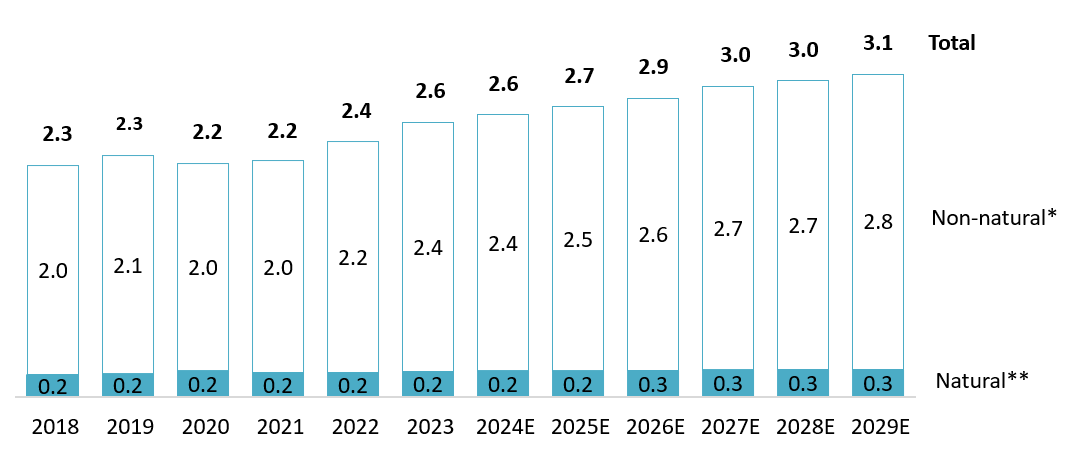
Nguồn: Statista
*Sản phẩm được sản xuất bằng hóa chất tổng hợp hoặc các thành phần nhân tạo. Bao gồm các dụng cụ và thiết bị kỹ thuật số làm đẹp (ví dụ: máy làm sạch da mặt).
** Sản phẩm được làm hoàn toàn hoặc một phần từ các thành phần có nguồn gốc tự nhiên, với hàm lượng hóa chất tổng hợp thấp hoặc tối thiểu.
Các động lực tăng trưởng chính: Nhận thức ngày càng cao về sức khỏe và môi trường
Nhận thức ngày càng cao của người tiêu dùng về các vấn đề sức khỏe và môi trường là động lực chính thúc đẩy nhu cầu đối với các sản phẩm làm đẹp tự nhiên. Ô nhiễm môi trường trong nước đã đạt đến mức nghiêm trọng, với các thành phố lớn như Hà Nội và Thành phố Hồ Chí Minh thường xuyên nằm trong số những thành phố có chất lượng không khí tồi tệ nhất thế giới. Mối quan ngại của công chúng về những rủi ro sức khỏe lâu dài của các hóa chất tổng hợp đang ngày càng tăng. Người tiêu dùng ngày càng tìm kiếm các lựa chọn thay thế an toàn, thân thiện với môi trường, phù hợp với các giá trị cá nhân của họ về sức khỏe và môi trường. Một cuộc khảo sát năm 2024 của CocCoc[2] Khảo sát cho thấy 801% người tiêu dùng thích mua các sản phẩm hữu cơ và thân thiện với môi trường. Các cuộc khảo sát tương tự cũng xác nhận xu hướng này, cho thấy hành vi mua sắm hướng đến sức khỏe và tính bền vững là một xu hướng tiếp diễn.
Đối tượng khách hàng tiềm năng của các sản phẩm làm đẹp tự nhiên là giới trẻ thành thị (thế hệ Millennials và Gen Z) quan tâm đến sức khỏe và tính bền vững, thuộc tầng lớp trung lưu và có khả năng mua sắm các sản phẩm thân thiện với môi trường và bền vững. Bên cạnh những lợi ích thiết thực, họ còn bị ảnh hưởng bởi các yếu tố cảm xúc và xã hội phù hợp với giá trị cá nhân và lối sống của mình.
Người chơi chính
Trong khi các thương hiệu quốc tế từ lâu đã đề cao các giá trị hướng đến sự tự nhiên, các công ty địa phương đang xây dựng bản sắc thương hiệu của mình dựa trên mỹ phẩm tự nhiên ngay từ đầu.
Các thương hiệu mỹ phẩm thiên nhiên hàng đầu
| KHÔNG | Thương hiệu | Quốc gia | Lối vào | Doanh thu năm 2023 (Tỷ VND) | Sản phẩm | Thành phần tự nhiên |
| 1 | Innisfree | Hàn Quốc | 2006 | 687 | Chăm sóc da mặt, Chăm sóc cơ thể, Chăm sóc tóc | Trà xanh Jeju, tro núi lửa, biệt thự, hoa lan tím |
| 2 | Co Mem HomeLab | Việt Nam | 2015 | 302 | Mỹ phẩm, Chăm sóc tóc, Chăm sóc cơ thể, Chăm sóc da mặt, Nước hoa | Mukuroji, vỏ bưởi, húng quế, hoa hồng, tinh dầu cam ngọt, lá trầu, nghệ, quế |
| 3 | Cocoon | Việt Nam | 2018 | 247 | Chăm sóc tóc, Chăm sóc cơ thể, Chăm sóc da mặt, Chăm sóc môi | Bí ngô, bưởi, cà phê Dak Lak, nghệ Hung Yen, sen Hau Zan, cọ An Zan, đường, rau má, hoa hồng |
| 4 | Cửa hàng đồ cơ thể | Vương quốc Anh | 2009 | 139 | Mỹ phẩm, Chăm sóc tóc, Chăm sóc cơ thể, Chăm sóc da mặt, Chăm sóc môi, Nước hoa | Dầu tràm trà Kenya, bơ hạt mỡ Ghana, nha đam Mexico, dầu argan, hạnh nhân, hoa hồng |
| 5 | Co Cay Hoa La | Việt Nam | 2013 | 24 | Chăm sóc tóc, Chăm sóc cơ thể, Chăm sóc da mặt | Forti, Trà xanh, Gừng, Nghệ, Đậu đỏ |
Nguồn: Phân tích của B&Company, cơ sở dữ liệu của công ty
Một chiến lược phổ biến mà các thương hiệu áp dụng để kết nối với người tiêu dùng là giới thiệu các loại cây trồng và tài nguyên độc đáo gắn liền với các vùng miền hoặc nền văn hóa cụ thể, nhấn mạnh vào các nguyên liệu địa phương. Tiếp theo là thúc đẩy bảo vệ môi trường và xây dựng hệ sinh thái bền vững trên toàn bộ chuỗi giá trị.
Điều này bao gồm việc tìm nguồn nguyên liệu thô thân thiện với môi trường, hợp tác với những người nông dân có ý thức bảo vệ môi trường, giảm thiểu bao bì nhựa và các chiến dịch khuyến khích tiêu dùng có ý thức về môi trường.
| Nghiên cứu điển hình 1: Cocoon Việt Nam: Nguyên liệu địa phương và hỗ trợ nông dân
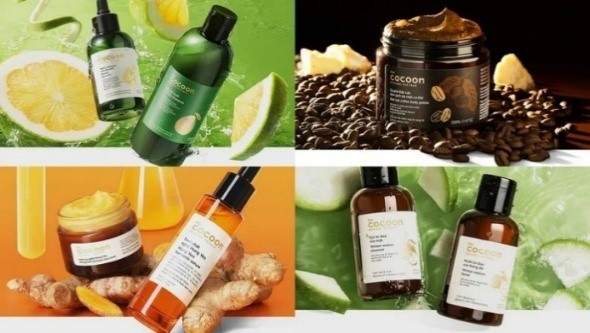
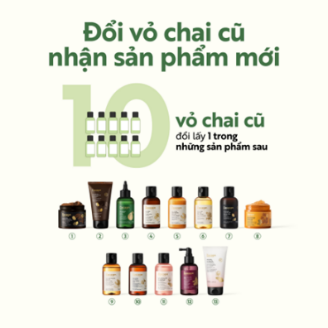
– Sử dụng các nguyên liệu truyền thống của Việt Nam như nghệ Hưng Yên, sen Hà Giang, đường thốt nốt An Giang và cà phê Đắk Lắk, mỗi sản phẩm đều gắn liền với một vùng miền cụ thể và văn hóa của vùng đó. – Phối hợp với nông dân tại Đắk Lắk để hỗ trợ chuyển đổi sang nông nghiệp bền vững, cải thiện độ phì nhiêu của đất và thúc đẩy sử dụng phân hữu cơ. – Thể hiện trách nhiệm môi trường và xã hội thông qua các chiến dịch như “Thu gom pin đã qua sử dụng – Bảo vệ Trái đất xanh của chúng ta” và bằng cách cung cấp các chương trình thu gom vật liệu đóng gói. Các sản phẩm làm đẹp tự nhiên và chiến dịch bảo vệ môi trường của Cocoon
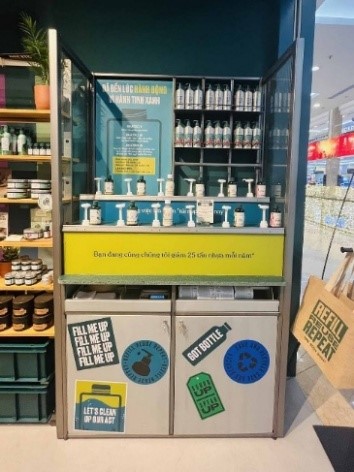
Nguồn: Instagram của Cocoon Trường hợp 2: Innisfree: Thành phần tự nhiên và canh tác thân thiện với môi trường – Thu mua nguyên liệu thô từ đảo Jeju, chú trọng nguồn gốc sạch và tự nhiên. – Tập trung vào các phương pháp canh tác thân thiện với môi trường và hợp tác với nông dân địa phương. Sử dụng bao bì nhẹ, có thể tái chế cho các sản phẩm như chai serum. Nghiên cứu điển hình 3: The Body Shop: Thúc đẩy tính bền vững thông qua các sáng kiến tại cửa hàng – Thúc đẩy trách nhiệm bảo vệ môi trường thông qua các chiến dịch như “Hành động vì sự thay đổi”, khuyến khích sử dụng chai có thể tái sử dụng và bao bì có thể tái sử dụng. – Giới thiệu các ý tưởng cửa hàng thân thiện với môi trường như “Xưởng hoạt động”, tích hợp các trạm nạp lại, đồ nội thất tái chế và thùng rác tái chế trong cửa hàng để biến tính bền vững trở thành một phần của trải nghiệm mua sắm. Xưởng sản xuất mỹ phẩm và trạm nạp lại sản phẩm của The Body Shop
Nguồn: Brandsvietnam |
Thách thức: Sự khác biệt về giá cả, chứng nhận.
Hầu hết người tiêu dùng chi từ 200.000 đến 500.000 VND mỗi tháng cho các sản phẩm làm đẹp.[3]. Các sản phẩm làm đẹp tự nhiên đắt hơn so với các sản phẩm tổng hợp. Trong khi sữa rửa mặt Pond's có giá khoảng 78.000 VND/100g, sữa rửa mặt tự nhiên của Cocoon có giá 195.000 VND/140ml—cao gấp khoảng 2,5 lần. Các sản phẩm hữu cơ quốc tế như Melvita (Pháp, đạt chứng nhận ECOCERT) có giá từ 320.000 đến 500.000 VND, cao gấp sáu lần so với các sản phẩm thông thường.[4]. Trong khi khu vực thành thị sẵn sàng chi trả cao cho các sản phẩm sạch, khu vực nông thôn và các tỉnh đang phát triển lại nhạy cảm về giá cả và có ít thông tin về mỹ phẩm tự nhiên. Theo một khảo sát của CocCoc.[5], Trong số đó, 44% người tiêu dùng nông thôn chi tiêu dưới 200.000 VND mỗi tháng cho các sản phẩm làm đẹp, so với 26% ở khu vực thành thị.
Hiện không có định nghĩa chính thức hay tiêu chuẩn quốc gia nào cho "mỹ phẩm tự nhiên", cũng như không có yêu cầu nào về hàm lượng thành phần tự nhiên. Sự mơ hồ này tạo điều kiện cho việc ghi nhãn sai lệch và làm xói mòn lòng tin của người tiêu dùng. Các thương hiệu muốn nâng cao uy tín và thâm nhập thị trường quốc tế phải đạt được chứng nhận của bên thứ ba, điều này đòi hỏi sự minh bạch trong nguồn gốc nguyên liệu và chuỗi cung ứng. Điều này gây khó khăn cho các thương hiệu địa phương quy mô nhỏ và vừa do chi phí và thủ tục phức tạp, làm suy yếu khả năng cạnh tranh của họ trong phân khúc cao cấp.
Cơ hội phát triển
Thương hiệu địa phương
Theo khảo sát mới nhất của WGSN (Mỹ), 761% người tiêu dùng ưa chuộng các thương hiệu trong nước. Điều này tạo ra cơ hội cho các thương hiệu mỹ phẩm nội địa tận dụng những thế mạnh như giá cả cạnh tranh, tính minh bạch, bản sắc vùng miền và sự thuận lợi trong phân phối. Mặc dù mức độ nhận diện quốc tế có thể thấp hơn, nhưng lòng tin có thể được xây dựng thông qua các chứng nhận và duy trì tính minh bạch trong nguồn gốc nguyên liệu và quy trình sản xuất sản phẩm. Giá cả phải chăng giúp các sản phẩm tự nhiên dễ tiếp cận hơn so với hàng nhập khẩu. Hơn nữa, các thương hiệu nội địa có thể phát triển các sản phẩm phù hợp với loại da, sở thích và thói quen của người Việt Nam. Sản xuất trong nước và nguyên liệu có nguồn gốc địa phương giúp đảm bảo chất lượng và giảm chi phí.
Thương hiệu quốc tế
Các thương hiệu mỹ phẩm toàn cầu với danh tiếng quốc tế, năng lực nghiên cứu và phát triển, cùng các chứng nhận quốc tế thu hút người tiêu dùng tìm kiếm sự chân thực và bền vững. Ngoài phân khúc cao cấp, họ có thể mở rộng sang thị trường đại chúng và trung lưu thông qua các chiến lược định giá phù hợp, bao bì nhỏ gọn hơn và thông điệp thương hiệu đặc thù theo từng khu vực. Việc bản địa hóa – kết hợp các thành phần được người tiêu dùng Việt Nam ưa chuộng và câu chuyện thương hiệu phù hợp với văn hóa và nhu cầu địa phương – càng làm tăng sức hấp dẫn của sản phẩm.
Đọc thêm
Thị trường làm đẹp Việt Nam 2025: Cập nhật hoạt động đầu tư và Xu hướng
* Nếu bạn muốn trích dẫn bất kỳ thông tin nào từ bài viết này, xin vui lòng ghi rõ nguồn cùng với liên kết đến bài viết gốc để tôn trọng bản quyền.
| B&Company
Là công ty Nhật Bản đầu tiên chuyên về nghiên cứu thị trường tại Việt Nam từ năm 2008. Chúng tôi cung cấp nhiều dịch vụ đa dạng bao gồm báo cáo ngành, phỏng vấn ngành, khảo sát người tiêu dùng, kết nối kinh doanh. Ngoài ra, gần đây chúng tôi đã xây dựng cơ sở dữ liệu hơn 1.000.000 công ty tại Việt Nam, có thể được sử dụng để tìm kiếm đối tác và phân tích thị trường. Vui lòng liên hệ với chúng tôi nếu bạn có bất kỳ thắc mắc nào. info@b-company.jp + (84) 24 3978 5165 |
[1] Bài viết này định nghĩa các sản phẩm làm đẹp tự nhiên là những sản phẩm sử dụng các thành phần tự nhiên hoàn toàn hoặc một phần và chứa hàm lượng hóa chất tổng hợp thấp. Các tiểu loại như sau:
- – Đồ trang điểm: Sản phẩm trang điểm mặt, môi và mắt, sơn móng tay
- – Chăm sóc da: Sản phẩm chăm sóc da mặt và toàn thân
- – Chăm sóc cá nhân: Tắm rửa, chăm sóc tóc, chăm sóc răng miệng, khử mùi, cạo râu, v.v.
[3] [4] [5] Giá trên đây là giá tham khảo và có thể thay đổi theo thời gian. Giá sữa rửa mặt Ponds được lấy từ cửa hàng trực tuyến của Watsons, giá sản phẩm Cocoon được lấy từ trang web chính thức của thương hiệu, và giá Melvita được lấy từ danh sách sản phẩm trên nền tảng thương mại điện tử.
Bài viết liên quan

Đăng nhập / Đăng ký
ĐĂNG KÝ NHẬN BẢN TIN