

 English
 日本語
 Tiếng Việt
 简体中文
 한국어
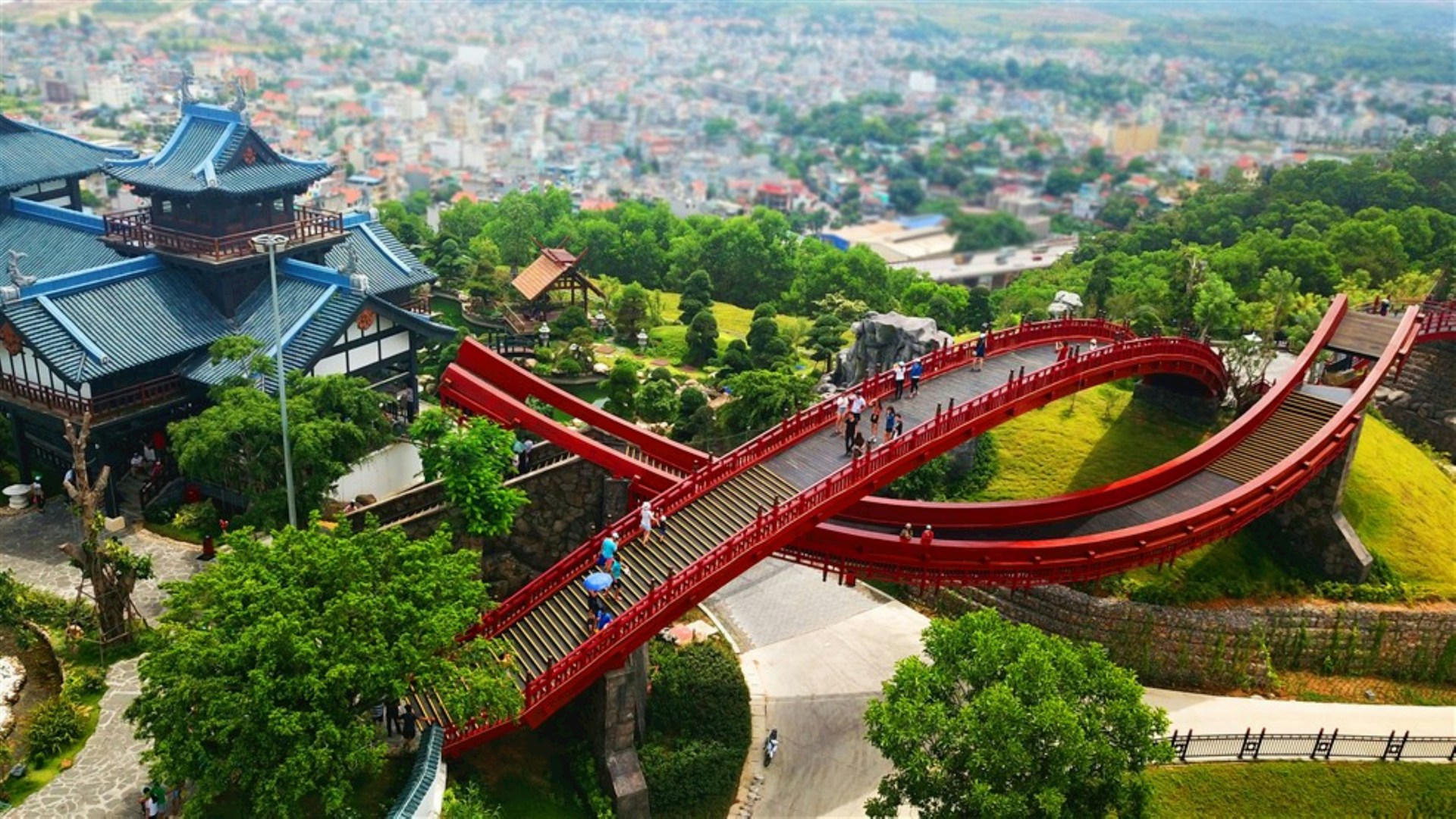
Japan and Vietnam’s decision to designate 2027–2028 as the Japan–Vietnam Tourism Year creates a new platform for tourism cooperation.
27Nov2026
Latest News & Report / Vietnam Briefing
Comments: No Comments.
Japan and Vietnam’s decision to designate 2027–2028 as the Japan–Vietnam Tourism Year creates a new platform for tourism cooperation. For businesses, its value could extend beyond increasing arrivals to developing regional itineraries, improving services, and building partnerships across hospitality, transport, retail, and tourism technology. Recent discussions suggest that these practical aspects are becoming an important part of the bilateral agenda.
A new platform for tourism cooperation
The Japan–Vietnam Joint Vision Statement issued on November 9, 2026 confirmed the Tourism Year designation ahead of the 55th anniversary of diplomatic relations. The statement also supported cultural and culinary festivals, exchanges between localities, and the third Japan–Vietnam Local Cooperation Forum in 2027.[1]
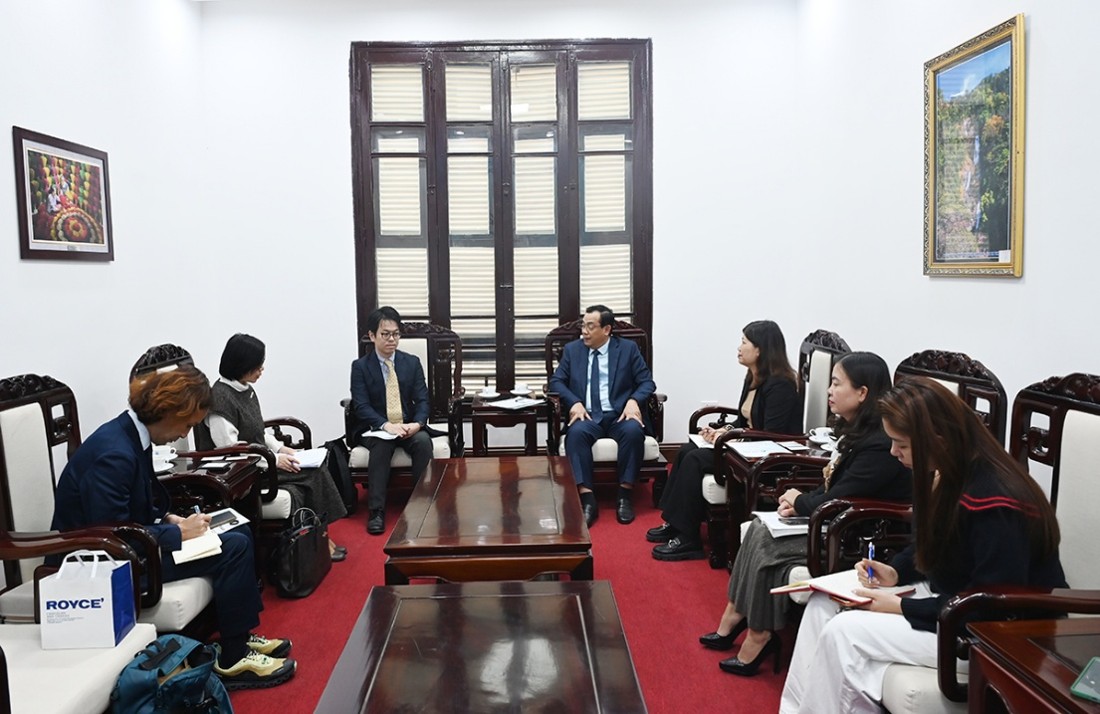
Preparations continued on November 25, when the Vietnam National Authority of Tourism (VNAT) met with the Japan Transport and Tourism Research Institute (JTTRI). Discussions covered cooperation in areas including digital transformation, cashless payments, and workforce development.[2]
Vietnam and Japan strengthen tourism cooperation ahead of Japan–Vietnam Tourism Year 2027–2028
Source: vietnamtourism.gov.vn
These developments provide a foundation for cooperation beyond destination promotion. In B&Company’s assessment, the commercial opportunity lies in connecting stronger awareness with products that travelers can easily discover, book, and enjoy. A coordinated tourism initiative can support that process, but its business impact will depend on the quality and accessibility of the services developed around it.
Two-way travel is growing at different speeds
Recent figures show an established flow of visitors in both directions, although growth has been uneven.
Japan–Vietnam visitor flows in January–October 2026
| Direction | Visitor arrivals | Change from January–October 2025 |
| Japan to Vietnam | 757,468 | +11.6% |
| Vietnam to Japan | 599,900 | +2.9% |
Sources: VNAT and the Japan National Tourism Organization (JNTO) [3][4]
The annual trend also conceals shorter-term fluctuations. Vietnamese arrivals in Japan declined by 8.5% year on year in October 2026, despite positive cumulative growth over the first ten months.[4]
For businesses, these differences reinforce the need to assess each direction separately. Growth in Japanese arrivals to Vietnam does not automatically indicate equivalent demand for Vietnamese outbound products. Operators need to understand travel purpose, booking channels, seasonality, and spending patterns within their target segments.
Success should therefore be evaluated through indicators such as length of stay, spending per booking, regional overnight stays, repeat purchases, and customer satisfaction alongside arrival numbers.
Understanding Japanese visitors in Vietnam
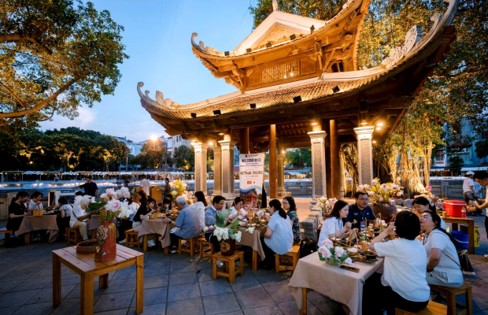
Japanese demand spans urban destinations, heritage circuits and coastal holidays. In northern Vietnam, Hanoi is a gateway to Ninh Binh and Ha Long Bay. A May 2026 familiarization programme for Japanese travel companies combined this route with lotus-tea making, pottery workshops and evening heritage visits, illustrating the products local operators are developing for the Japanese market.[9]
Cultural activities offer opportunities to introduce visitors to Vietnam’s local traditions
Source: dulichhanoi.vn
Ho Chi Minh City is another established destination, recording 348,239 Japanese visitor arrivals in 2024, as reported by the city’s tourism department.[10] Da Nang reported 291,170 Japanese visitor arrivals in 2025. Its 2026 promotion in Japan highlighted cultural immersion, nature, wellness and slower-paced travel alongside beach holidays.[11]
Spending provides a further indication of the market’s value. Vietnam’s Statistical Summary Book 2024 reports preliminary average expenditure of USD 1,490.9 per Japanese visitor per trip, compared with USD 1,164.8 across international visitors, approximately 28% higher.[12]
| Average expenditure per visitor per trip | Preliminary 2024 |
| Japanese visitors | USD 1,490.9 |
| All international visitors | USD 1,164.8 |
Source: Vietnam National Statistics Office, Statistical Summary Book 2024
Service quality and cultural depth also feature in Hanoi Tourism’s assessment of the Japanese market.[9] In B&Company’s assessment, these characteristics support testing carefully organized cultural activities, local dining experiences and wellness packages, backed by dependable transport and Japanese-language information. Higher average spending creates room for differentiated offers, while pricing and service expectations still need to be tested for each target segment.
Opportunities and challenges in attracting Japanese visitors
Japan–Vietnam Tourism Year 2027–2028 offers Vietnam an opportunity to attract Japanese visitors through distinctive cultural, culinary and wellness experiences. Improved access, including the planned Da Nang–Osaka route, could support itineraries connecting coastal destinations with nearby heritage sites and local communities.[5]
B&Company’s earlier tourism analyses identified gaps in differentiated experiences and workforce capacity, alongside opportunities in digital services and higher-value tourism.[7][8] Addressing these gaps will require consistent service quality, clear Japanese-language information, convenient booking and payments, and effective coordination among hotels, transport providers and tour operators.
How B&Company can support your business
B&Company supports Japanese and international businesses exploring Vietnam’s tourism and hospitality market through market research, consumer surveys, industry interviews, and business matching. We help companies assess target segments, evaluate product concepts and pricing, and identify potential travel, hospitality, and local service partners.
For businesses preparing for Japan–Vietnam Tourism Year 2027–2028, these services provide practical insights for market entry, product development, and partnership decisions. To discuss opportunities for your business, please contact info@b-company.jp.
Read more
Vietnam Tourism in 2025: A foundation for more growth in 2026
* If you wish to quote any information from this article, please kindly cite the source along with the link to the original article to respect copyright.
| B&Company
The first Japanese company specializing in market research in Vietnam since 2008. We provide a wide range of services including industry reports, industry interviews, consumer surveys, business matching. Additionally, we have recently developed a database of over 1,000,000 companies in Vietnam, which can be used to search for partners and analyze the market. Please do not hesitate to contact us if you have any queries. info@b-company.jp + (84) 24 3978 5165 |
References
- Ministry of Foreign Affairs of Japan. Japan–Viet Nam Joint Vision Statement, November 2026.
- Vietnam National Authority of Tourism. Tạo xung lực mới cho Năm Hợp tác Du lịch Việt Nam–Nhật Bản 2027–2028, November 25, 2026.
- Vietnam National Authority of Tourism. International visitor statistics for October and January–October 2026.
- Japan National Tourism Organization. Visitor Arrivals for October 2026, November 18, 2026.
- Vietjet. New Da Nang–Osaka route supporting tourism cooperation in 2027–2028, November 9, 2026.
- JNTO Vietnam. October–November 2026 Japan Tourism Newsletter.
- B&Company. The Potential of Vietnam’s Tourism Industry: Constraints Bring New Investment Opportunities, October 15, 2025.
- B&Company. Vietnam Tourism in 2025: A Foundation for More Growth in 2026, February 26, 2026.
- Hanoi Tourism. Hà Nội kể câu chuyện văn hoá để chinh phục dòng khách Nhật Bản, June 2, 2026.
- Nguoi Lao Dong. Khách Việt đến Nhật Bản chủ yếu chi tiêu cho mua sắm, March 7, 2025; includes Ho Chi Minh City Department of Tourism figures for Japanese arrivals in 2024.
- Da Nang Tourism Promotion Center. Thành phố Đà Nẵng đẩy mạnh xúc tiến quảng bá du lịch tại Nhật Bản với thông điệp Chạm về nguyên bản, June 18, 2026.
- Vietnam National Statistics Office. Statistical Summary Book 2024, Table 193, pp. 408–409, preliminary 2024 expenditure figures.
Related article








Log in / Register
SUBSCRIBE NEWSLETTER