
214 月2026
最新消息及报告
评论: 没有评论.
位置简述
Key insight: Not optimal for “selling now”, but creating an experience that is comfortable enough for customers to want to come back |
I walked into that store by chance.
No shopping plan. There are no specific needs. I’m just killing time before an appointment. The store is located right at a corner of a crowded intersection – an area where many mid-to-high-end fashion brands are concentrated. This is not a “luxury flagship” location, but it is expensive enough to ensure a steady flow of visitors: office workers, young people, and people with inspired shopping habits.
The glass is large, the light is just right, not too ostentatious but also not “invisible”.
I paused for a few seconds. Then walk in.
The first impression is… nothing too special.
And that’s what made me stay longer than I planned.
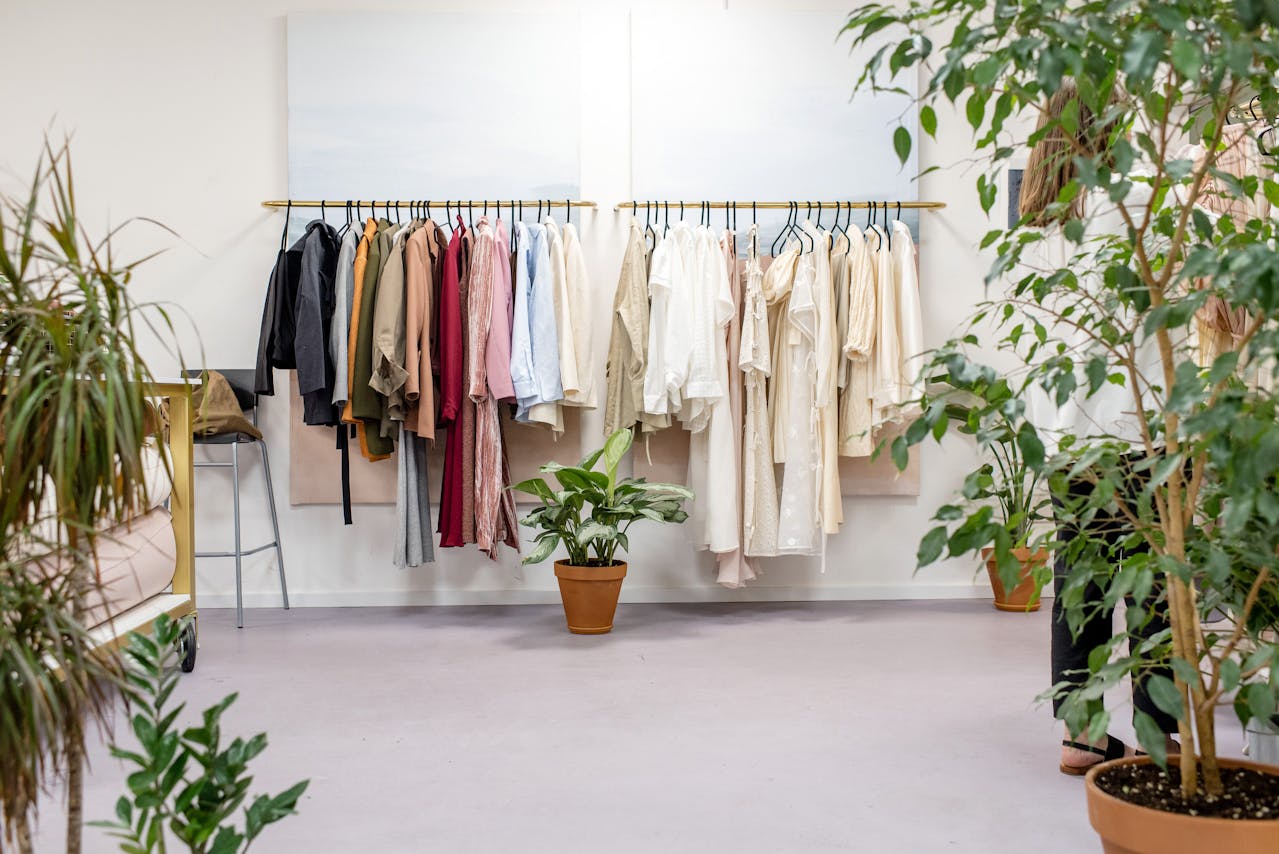
No staff came forward immediately. There are no familiar “What do you need to look for?” questions. The space is open and airy, the products are neatly arranged but not in the style of “displaying to sell at all costs”.
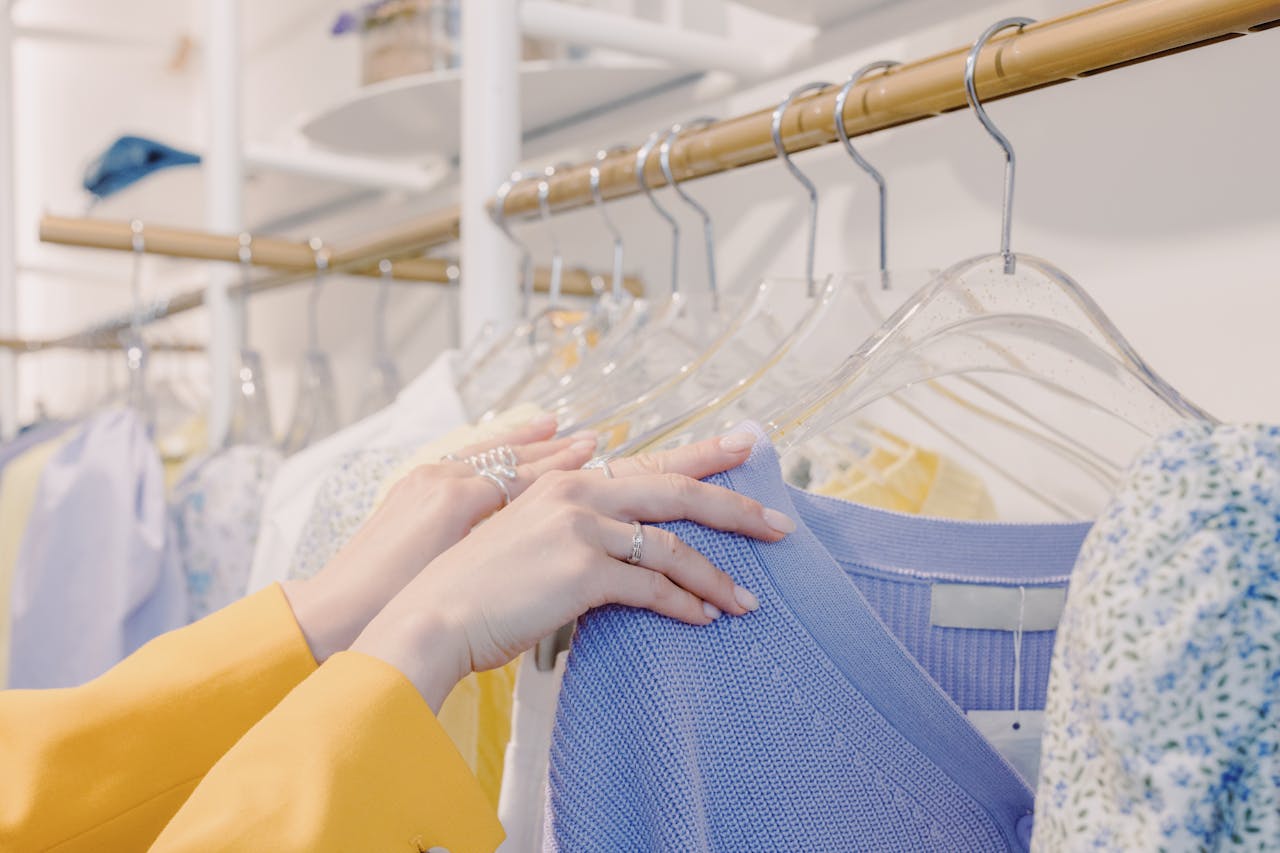
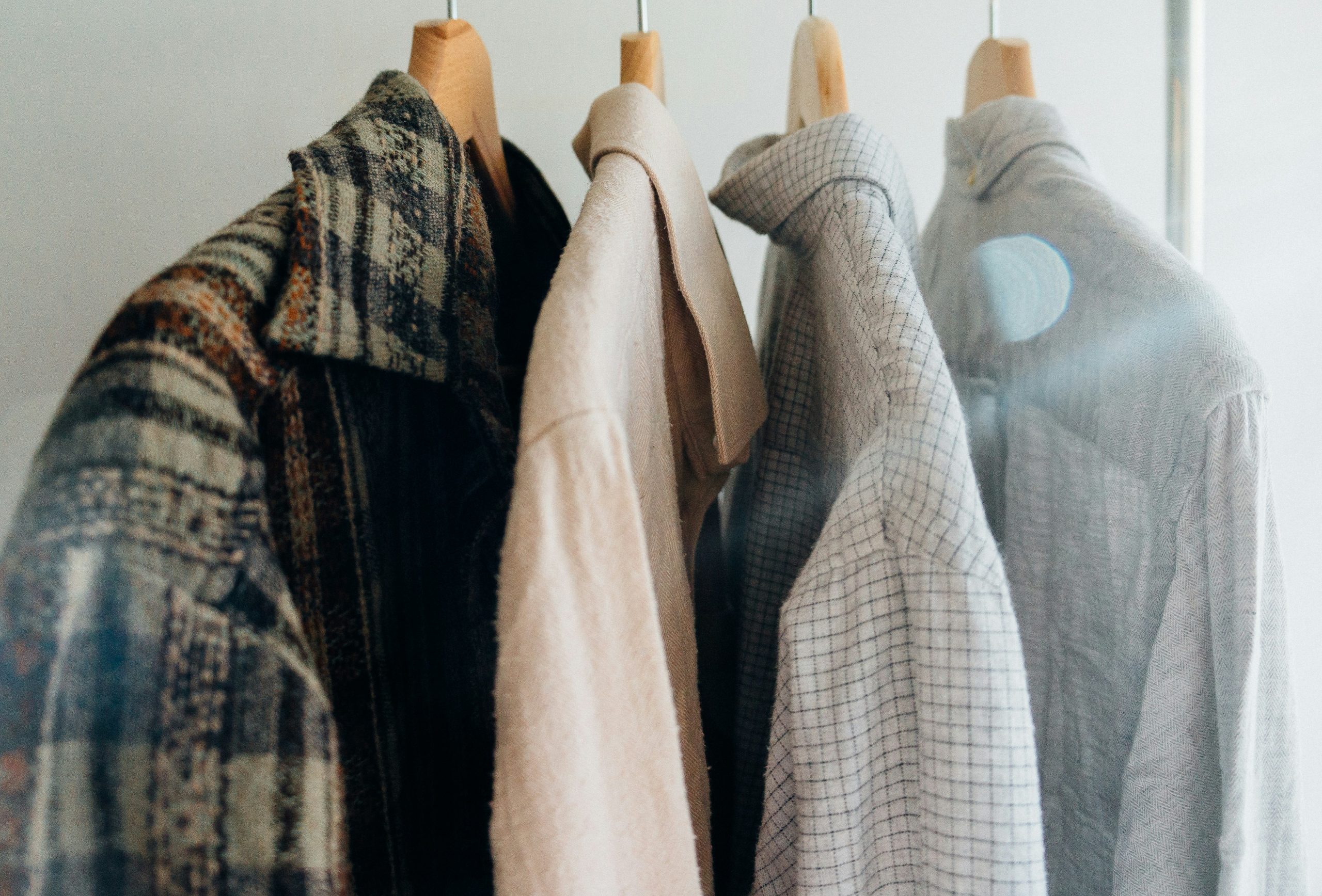
The product category is quite clear: casual wear at a price point in the mid-range segment – accessible enough to buy according to inspiration, but still retaining a “selective” feel. The design is not too disruptive, it is more practical: shirts, basic pants, simple skirts, easy to match. This is a type of product that caters to the needs of daily wear, but still wants to keep a bit of personal style.
I feel like I’m entering a place that allows me more freedom than a place that’s trying to sell me something.
There are stores that make you want to leave quickly. Here, it’s the opposite—there’s no reason to rush.
The customer journey in a fashion store: From a chance walk-in to a purchase decision
示例照片
I started to walk slowly.
The first floor was like a gentle greeting. None of the products really “jumped out” to attract attention. No area is too strongly “spotlighted”. Everything is moderate, even, accessible.
Initially, I thought it might be a minus.
But as I walked up to the next floor, I began to realize: maybe it was intentional.
The multi-storey space makes the shopping experience a journey. Not the epic journey, but the kind of exploration little by little. You’re not led along a fixed path, but you’re not completely lost either. You’re simply… Go on, out of curiosity.
On each floor, the product portfolio is relatively reasonably distributed: basic area, seasonal area, mix & match area. There is no overly obvious stratification of price or “product class”, which makes the experience more seamless – but it also means that the brand does not deliberately promote a single flagship product line.
I don’t remember how many zones I went through. But I remember the feeling: time passed faster than I thought.
It’s worth noting that I don’t feel “sold out” at all.
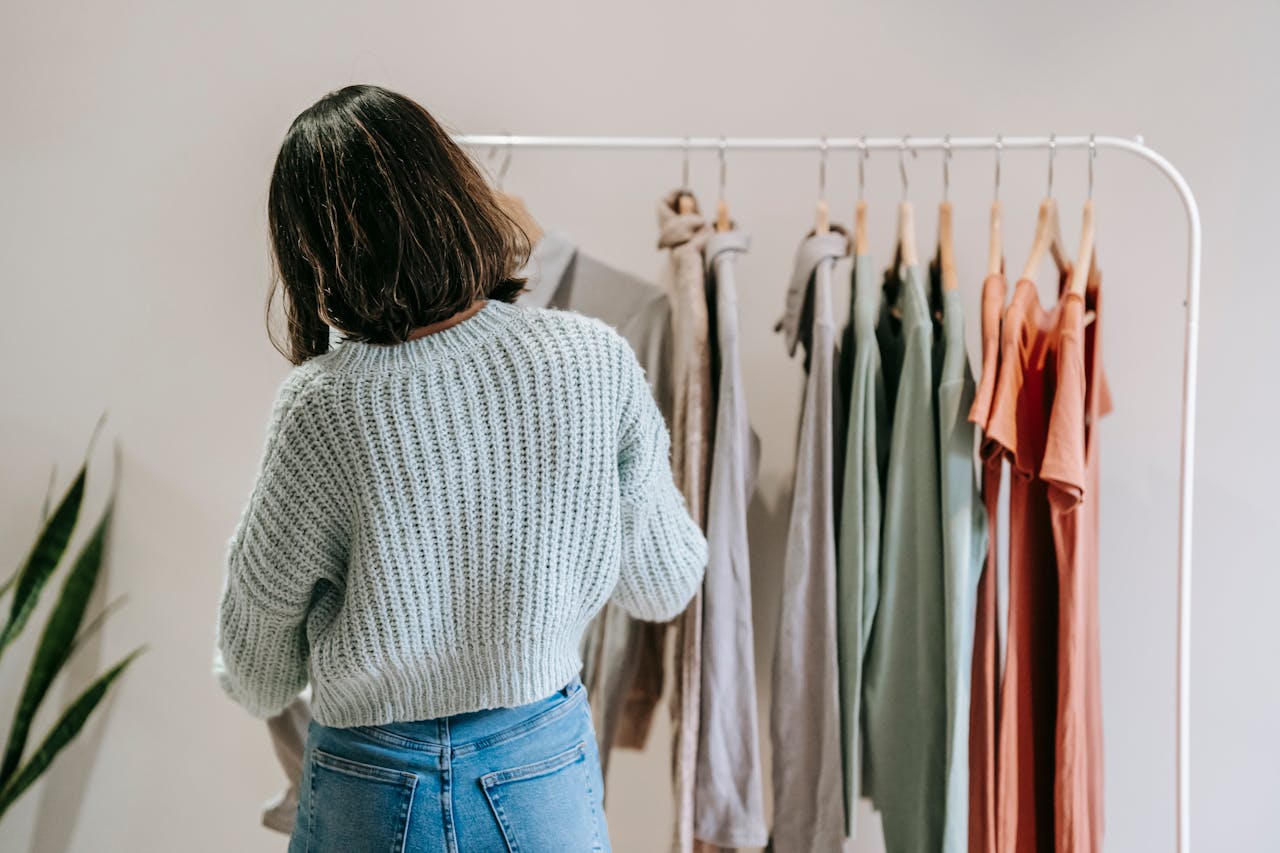
There are no employees standing next to you for too long. There was no urgent look. But it’s not completely neglected. When I hold a product longer than usual, someone shows up – at the right time, not early, not late.
Just a light question: “Do you want to try it?”
No pressure. No expectations. Just a suggestion.
I tried on a shirt – simple design, good material, price in the “can be considered quickly” range. Then one more dish.
It was the moment I realized I had gone further than I had originally planned.
I don’t buy anything.
But I almost did.
And “almost bought” is actually a state worth thinking about.
In many other stores, the decision usually goes in two directions: either buy very quickly – impulsively, or leave almost immediately. It’s rare to have a “mezzanine” long enough for customers to really consider.
It’s different here.
No product is too prominent to drive an immediate decision. But there was no factor that made me want to leave. The experience was kept pleasant enough for me to keep staying, keep watching, keep trying. And if there was a little more time, or a smaller reason to convince myself, I probably would have bought.
As I walked out of the store, I realized I had been there longer than expected. More importantly, I don’t feel like that time is wasted. There is a style of store designed to maximize conversions instantly. You walk in, are attracted to a few key products, get advice, and if things go right – you buy. But there is also another type. Don’t try to sell you right away, but focus on creating an experience that is pleasant enough that you’ll want to come back to. This is often the approach of brands in the mid-range segment that are building a loyal customer base: don’t push too much at each visit, but gradually accumulate familiarity and sympathy.
This experience, from a personal perspective, can be just a one-time “walk by and then stop”. But in our work at B&Company, such observations are part of a larger picture.
When evaluating a brand in the context of seeking investment or M&A opportunities, data doesn’t just come from financial statements or market data. Store location, product segmentation, how to build the shopping experience, and customer engagement – all are factors that help position the brand in the competitive landscape.
In M&A Advisory & Business Due Diligence projects, we often combine quantitative analysis and field observation to compare brands in the same segment. Because sometimes, the difference is not in the numbers, but in how a brand balances the ability to sell short-term and build long-term experiences.
I left without buying anything.
But if I had the opportunity to pass by again, I knew I would step in again.
And next time, maybe I won’t leave empty-handed.
There are stores that try to sell you right away.
But there are also places that simply make you want to come back.
And sometimes, that’s the most rewarding strategy.
阅读更多
*如果您想引用本文中的任何信息,请注明来源以及原始文章的链接,以尊重版权。
| B&Company
自 2008 年以来,日本第一家专门从事越南市场研究的公司。我们提供广泛的服务,包括行业报告、行业访谈、消费者调查、商业配对。此外,我们最近还开发了一个包含越南 900,000 多家公司的数据库,可用于搜索合作伙伴和分析市场。 如果您有任何疑问,请随时与我们联系。 信息@b-company.jp + (84) 28 3910 3913 |