
 Tiếng Việt
  English
  日本語
日本語  简体中文
简体中文  한국어
한국어 
Tình trạng khan hiếm lao động trong bối cảnh chuyển đổi số tại Việt Nam.
Chuyển đổi số (DX) đang diễn ra mạnh mẽ trong nhiều ngành công nghiệp, và thị trường lao động đang chứng kiến những thay đổi đáng kể.
Yêu cầu Miễn phí
Miễn phí
Việt Nam: Hà Nội
Việt Nam: Hồ Chí Minh
(84) 24 3978 5165
(84) 28 3910 3913
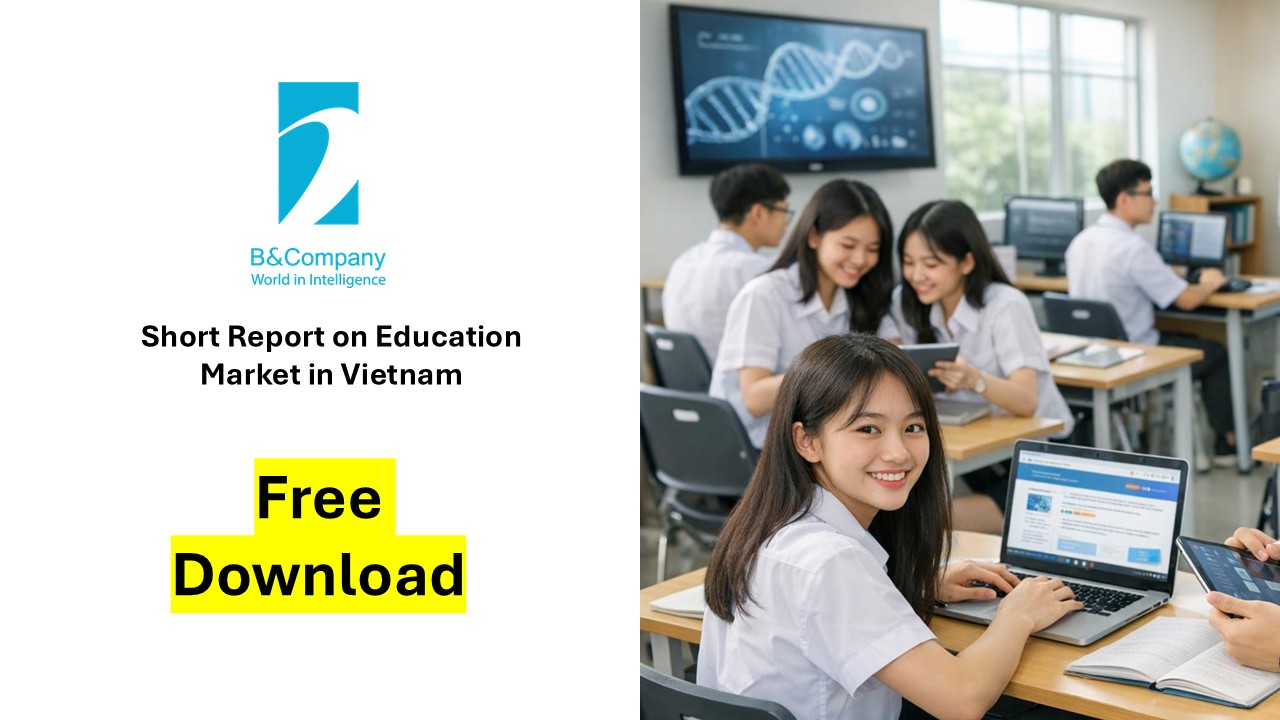 Miễn phí
Ngành giáo dục đang bước vào một giai đoạn phát triển mới, được thúc đẩy bởi nhu cầu mạnh mẽ, tầng lớp trung lưu ngày càng gia tăng và sự khuyến khích tham gia của khu vực tư nhân. Trong khi trường công lập là nền tảng, khu vực tư nhân đang mở rộng nhanh chóng, mang đến nhiều lựa chọn đa dạng từ K-12 (từ mẫu giáo đến trung học phổ thông) đến đào tạo nghề. Những tiến bộ trong công nghệ giáo dục đang tạo ra các môi trường học tập năng động, vượt ra ngoài các mô hình truyền thống, mở ra cơ hội đầu tư và đổi mới.
Lĩnh vực giáo dục cho phép sở hữu 100% vốn nước ngoài. Nhà đầu tư nước ngoài phải xin giấy phép hoạt động và tuân thủ các tiêu chuẩn giáo dục trong nước. Theo Nghị định 86/2018, các trường có vốn đầu tư nước ngoài giảng dạy chương trình nước ngoài ở bậc mầm non và giáo dục bắt buộc được phép tiếp nhận tối đa 50% học sinh Việt Nam.
Tuy nhiên, nhiều trường được tiếp thị là trường quốc tế không được pháp luật phân loại là trường có vốn nước ngoài. Thay vào đó, các trường này thường được đăng ký là trường tư thục do người Việt Nam sở hữu (trường song ngữ hoặc trường có chương trình hợp tác). Trong những trường hợp này, các trường được miễn giới hạn 50% học sinh Việt Nam theo quy định tại Nghị định 86. Do đó, không hiếm trường có tỷ lệ học sinh Việt Nam thực tế lên tới 80-95% trong tổng số học sinh. Việc sử dụng các thuật ngữ như quốc tế hoặc academy trong hoạt động xây dựng thương hiệu rất phổ biến. Mặc dù đối với phụ huynh, các trường này có vẻ hoàn toàn giống trường quốc tế, nhưng phân loại pháp lý và các quy định áp dụng có thể khác nhau hoàn toàn giữa từng trường.
Chính phủ tích cực khuyến khích đầu tư tư nhân và đầu tư nước ngoài. Nghị quyết 35/2019 đặt mục tiêu tăng tỷ trọng các cơ sở giáo dục tư thục (lên 13.5% tổng số vào năm 2025114 ). Các văn bản pháp luật quan trọng bao gồm Luật Giáo dục 2019 (tự do hóa mô hình trường tư thục), Luật Đầu tư 2020 và các Nghị định mới 124/125. Quy trình đăng ký vẫn gồm nhiều giai đoạn (IRC, ERC, giấy phép hoạt động), mặc dù các cải cách trong giai đoạn 2024-25 hướng tới việc đơn giản hóa thủ tục phê duyệt.
Khu vực công là nền tảng của hệ thống giáo dục, với độ bao phủ gần như toàn diện ở bậc giáo dục cơ bản. Tỷ lệ hoàn thành tiểu học vượt 98% và các tiêu chuẩn giáo dục đầy đủ được bảo đảm tại tất cả các tỉnh. Trong năm học 2024-2025, có khoảng 12.000 trường tiểu học, 8.500 trường trung học cơ sở, 2.400 trường trung học phổ thông và 2.900
Thị trường giáo dục
[Special Topic] Sự trỗi dậy của E-Learning
Báo cáo này và tất cả các tài liệu liên quan trực tiếp đến nó đều thuộc sở hữu của B&Company. Mọi quyền được bảo lưu. Không được phép sao chép hoặc truyền tải bất kỳ phần nào của báo cáo này dưới bất kỳ hình thức nào hoặc bằng bất kỳ phương tiện nào mà không có sự cho phép bằng văn bản trước đó.
Nếu quý vị có ý định sử dụng báo cáo này cho bất kỳ mục đích nào, vui lòng liên hệ với Công ty B&Company qua địa chỉ email sau để biết thêm chi tiết về điều khoản sử dụng: info@b-company.jp
Chuyển đổi số (DX) đang diễn ra mạnh mẽ trong nhiều ngành công nghiệp, và thị trường lao động đang chứng kiến những thay đổi đáng kể.
Miễn phí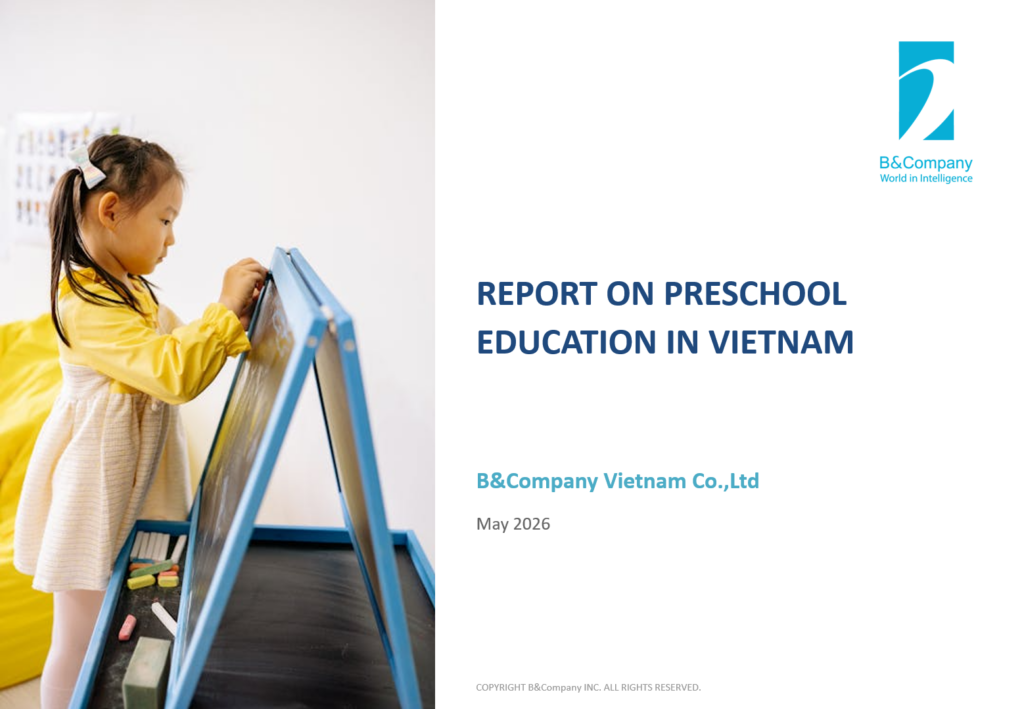
Báo cáo này cung cấp cái nhìn tổng quan về giáo dục mầm non tại Việt Nam, bao gồm các khía cạnh chính: quy mô thị trường, số lượng học sinh, số lượng trường học và cơ sở giáo dục, v.v.
15.000.000 VND