 한국어
한국어  English
  日本語
日本語  Tiếng Việt
  简体中文
简体中文 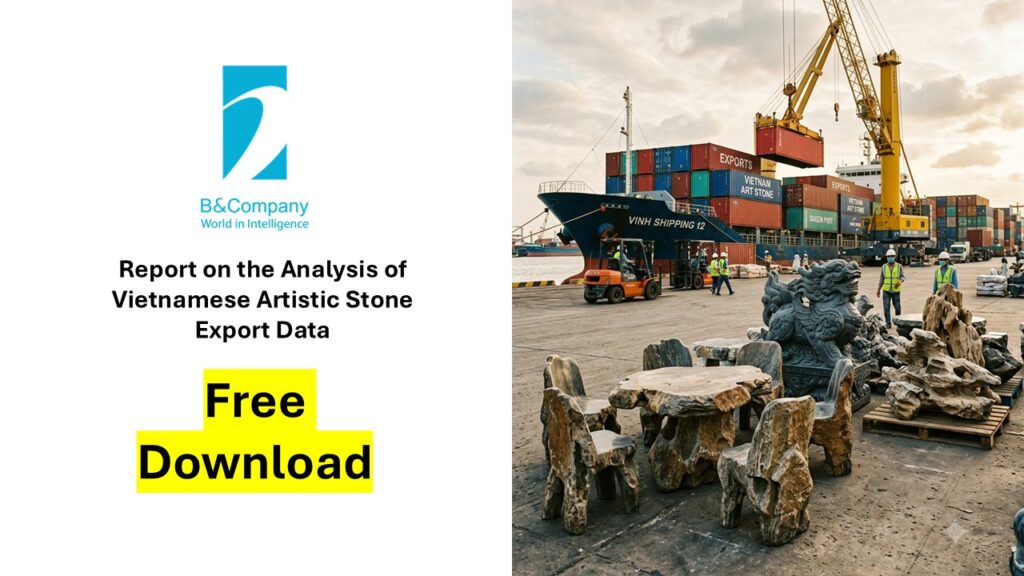
베트남 예술석 수출 데이터 분석 보고서
본 보고서는 2025년 첫 9개월 동안 베트남의 예술석 수출 실적을 요약하며, 시장 규모, 주요 업체, 수출 대상국, 무역 특성 및 산업을 형성하는 주요 동향을 다룹니다.
요청 무료
무료
무료
베트남: 하노이
베트남: 호찌민
(84) 24 3978 5165
(84) 28 3910 3913
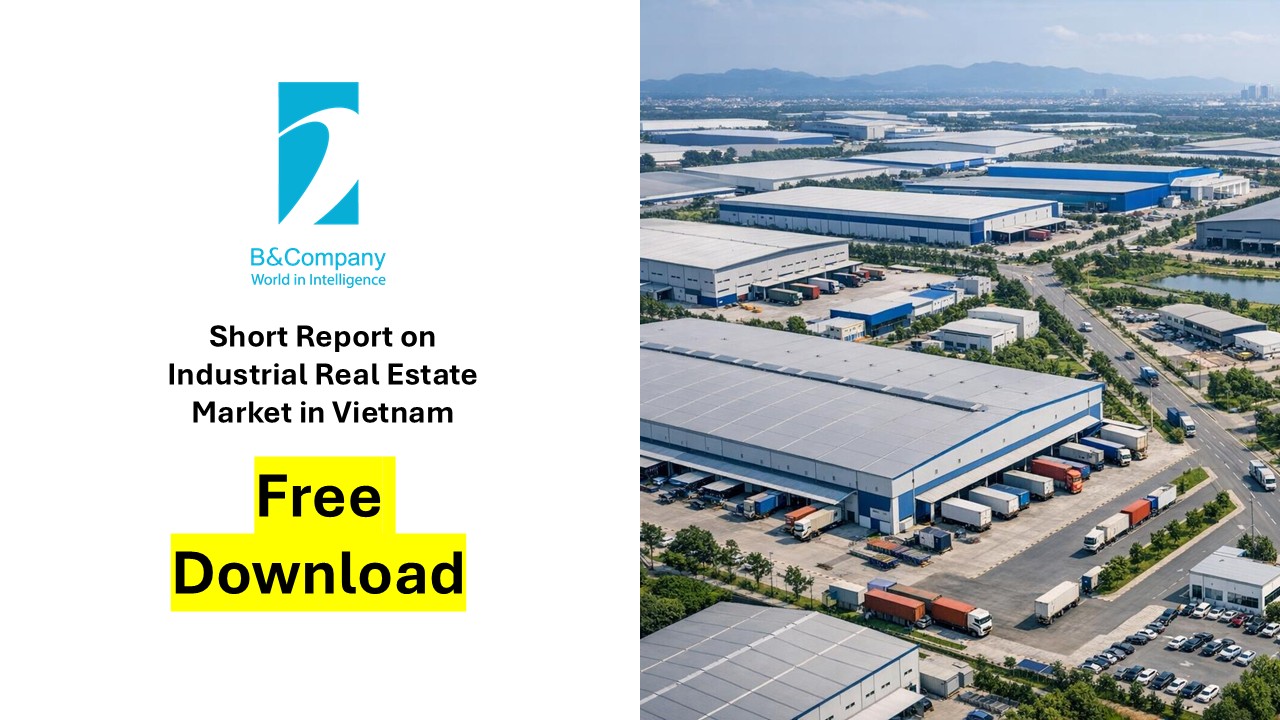
산업용 부동산 규제는 명확합니다. 토지는 여전히 국가 소유이며, 외국인 투자자는 임대를 통해 장기 토지 사용권을 확보합니다. 하이테크 및 수출 프로젝트는 세제 혜택과 우대 토지 임대료의 혜택도 받습니다. 성장은 국영 개발업체와 외국 자본의 지원을 받고 있으며, 중국+1에 따른 제조 기능 이전과 물류 및 전자상거래 수요에 의해 주도되고 있습니다. 주요 추세로는 인접 성으로의 확장과 스마트/그린 산업단지 개발이 있습니다. 토지 확보, 숙련 노동력, 지역 간 경쟁 등 과제가 존재하지만, 중기 전망은 여전히 긍정적입니다.
모든 토지는 국가 소유이며 외국인은 토지를 소유할 수 없습니다. 투자자는 일반적으로 최대 50년의 임대차계약에 따라 토지 사용권을 보유하며, 승인을 받으면 계약을 연장하여 더 장기간 사용할 수도 있습니다. 또한 임차한 토지에 건설한 건물과 시설을 소유할 수 있습니다. 실제로 외국계 산업단지 개발업체는 국가로부터 토지를 임차하고 인프라를 구축한 후, 필지를 전대하거나 완공된 공장과 창고를 임차인에게 임대합니다. 임차인은 개발업체로부터 토지를 전대받거나 기존 시설을 임차하며, 해당 필지에 자체 공장이나 장비를 건설·소유할 수 있습니다. 또한 자체적으로 투자 승인(IRC/ERC), 환경 인허가, 건축허가(직접 건설하는 경우), 소방안전 절차 및 유틸리티 설치를 처리해야 합니다. 요건을 충족하면 수출가공기업(EPE)으로 설립할 수 있습니다. 전대 기간은 산업단지의 잔여 사용 기간을 초과할 수 없습니다. 산업단지와 경제구역은 개발업체가 이미 모든 토지 권리와 승인을 확보하고 있기 때문에 제조업체의 원활한 진입을 지원하며, 외국인 투자 제조기업의 주요 설립 방식으로 활용됩니다. 많은 개발업체가 외국 자본과의 합작투자 형태로 운영됩니다(예: Amata, VSIP). 조세 측면에서 표준 법인소득세율은 20%입니다. 그러나 첨단기술, 수출 지향, 대규모 투자 또는 경제구역 내 입지 등 특정 요건을 충족하는 프로젝트는 우대 세율(예: 일정 기간 동안 10–17%), 세액공제·면제, 현지에서 생산할 수 없는 기계류에 대한 수입관세 면제 및 개발업체에 지급하는 토지 임대료 감면 등의 혜택을 받을 수 있습니다.
산업용 부동산 시장은 꾸준한 성장을 보여 왔으며, 팬데믹 기간에도 확장세를 이어갔습니다. 이러한 호황은 강한 FDI 유입과 글로벌 공급망의 변화에 기인합니다. 안정적인 경제 성장과 무역협정은 전자, 섬유, 기계 등 다양한 제조업체를 유치하고 있습니다. 특히 생산 다변화를 위한 “중국+1” 전략이 다국적 기업들의 베트남 공장 설립을 견인하고 있습니다. 주요 전자 기업들은
산업용 부동산 시장
[특집] 산업용 부동산 M&A 활동 증가
본 보고서 및 이와 직접 관련된 모든 자료는 B&Company의 자산입니다. 모든 권리는 B&Company에 있습니다. 사전 서면 허가 없이는 본 보고서의 어떤 부분도 어떠한 형태로든 복제하거나 전송할 수 없습니다.
본 보고서를 어떠한 목적으로든 사용하시려면, 이용 약관에 대한 자세한 내용은 아래 이메일 주소(info@b-company.jp)로 B&Company에 문의해 주시기 바랍니다.
본 보고서는 2025년 첫 9개월 동안 베트남의 예술석 수출 실적을 요약하며, 시장 규모, 주요 업체, 수출 대상국, 무역 특성 및 산업을 형성하는 주요 동향을 다룹니다.
무료